The Organization of Islamic Cooperation (OIC) has discussed a phased roadmap for direct talks with Afghan authorities, as the 57-member bloc seeks to establish structured dialogue with Kabul.
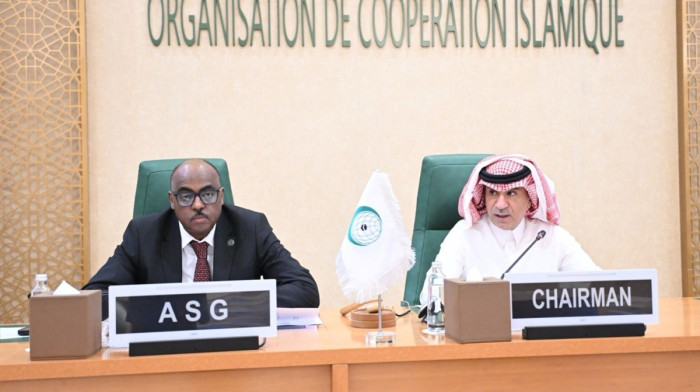
The proposal was discussed at a preparatory technical meeting of the OIC's Ministerial Contact Group on Afghanistan, held in Jeddah, Saudi Arabia, on Sunday.
According to the organisation, the proposed framework would introduce a phased approach to engagement, focusing on Afghanistan's political and humanitarian challenges.
“Participants reviewed key issues related to the OIC's position on the evolving political and humanitarian situation in Afghanistan.”
Priorities for engagement
Discussions also focused on implementing resolutions adopted by the OIC Council of Foreign Ministers and identifying shared priorities for talks with Afghanistan's de facto authorities.
“The meeting also addressed the priorities on which the Group will focus in order to implement the relevant resolutions of the Council of Foreign Ministers and to conduct a direct and constructive dialogue with the de facto authorities on shared priorities.”
However, the OIC did not specify when the roadmap might be implemented or whether it had received formal approval.
AnewZ has contacted Afghan authorities for comment but had received no response by the time of publication.
Afghan officials have previously backed closer engagement with the OIC. In October, Afghanistan's Foreign Ministry said talks with an OIC delegation had highlighted the need to strengthen ties and expand cooperation.
Education and humanitarian concerns
The OIC established its Ministerial Contact Group on Afghanistan in June 2025 to coordinate diplomatic engagement with the country.
In October, the organisation outlined key priorities, including girls' education, counterterrorism, food security and humanitarian aid.
Afghanistan remains the only country in the world to ban girls and women from secondary and higher education.According to UNESCO, around 2.4 million Afghan girls remained excluded from secondary education as of August 2026.
Read more:












What is your opinion on this topic?
Leave the first comment