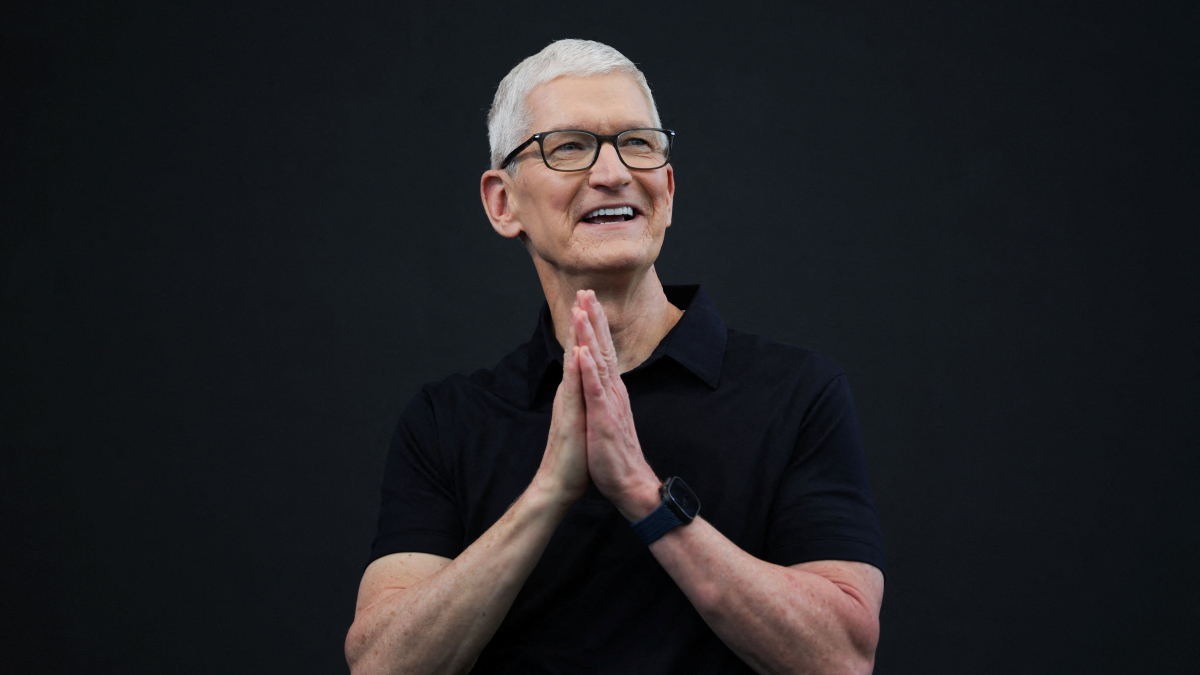
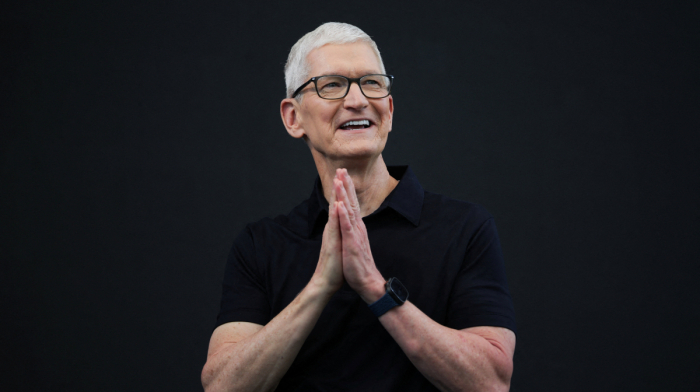
Apple is entering a new era as Tim Cook steps down as chief executive after 15 years at the helm, handing the technology giant's leadership to longtime executive John Ternus.
The transition officially takes effect on 1 September, following unanimous approval by Apple's board of directors. While Cook is leaving the chief executive role, he will remain closely involved in the company as executive chairman, overseeing aspects of Apple's broader strategy and its engagement with policymakers around the world.
The move marks the first CEO transition at Apple since 2011, when Cook succeeded company co-founder Steve Jobs following his death.
End of one of the most successful CEO tenures in technology
Cook leaves behind a company dramatically transformed from the one he inherited.
When he became chief executive, Apple was valued at roughly $350 billion. Today, the company is worth around $4 trillion, making it one of the most valuable businesses in the world.
During his tenure, annual revenue nearly quadrupled to more than $416 billion, while Apple's global presence expanded across more than 200 countries and territories. The company's active installed base has grown to more than 2.5 billion devices, reflecting the scale of Apple's reach.
Beyond the iPhone, Cook oversaw the creation and growth of major product categories including the Apple Watch, AirPods and Vision Pro, while expanding services such as Apple Music, Apple TV+, Apple Pay and iCloud into a business generating more than $100 billion annually.
Cook praises successor
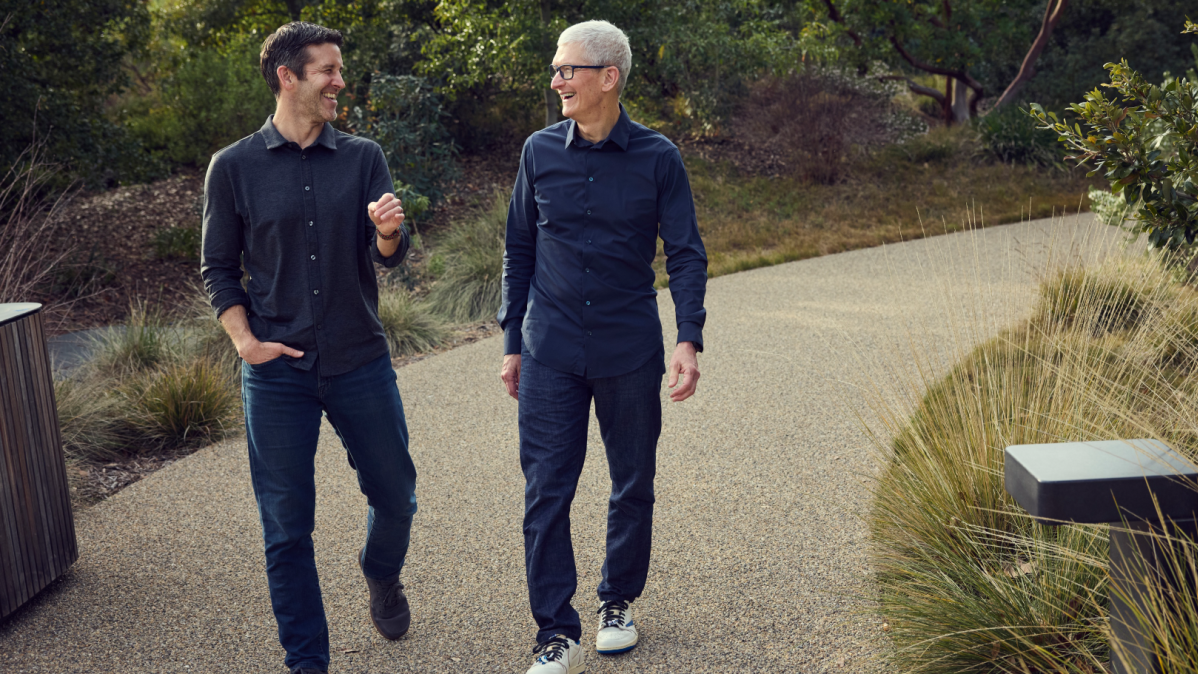
Announcing the handover, Cook expressed confidence in Ternus, describing him as the right person to lead Apple into its next phase.
"It has been the greatest privilege of my life to be the CEO of Apple," Cook said, thanking employees for their role in building the company over the past decade and a half.
He described Ternus as "a visionary" whose contributions over more than two decades at Apple had helped shape many of the company's most important products.
Cook said he looked forward to working closely with Ternus during the transition and in his new role as executive chairman.
Veteran engineer takes the top job
Ternus is far from an outsider.
He joined Apple's product design team in 2001 and has spent nearly his entire professional career at the company. Over the years, he rose through the engineering organisation before becoming senior vice president of Hardware Engineering and a member of Apple's executive leadership team.
He has played a key role in the development of some of Apple's most successful products, including iPhone, iPad, Mac, Apple Watch and AirPods.
Ternus has also been closely involved in Apple's transition to its own silicon chips, a move widely seen as one of the company's most significant technological achievements in recent years.
In a statement, Ternus said he felt honoured to take on the role and pledged to continue building on Apple's values and mission.
"I am profoundly grateful for this opportunity to carry Apple's mission forward," he said.
Board backs new leadership team
As part of the leadership reshuffle, Arthur Levinson will step down as non-executive chairman after 15 years in the role and become Apple's lead independent director.
Ternus will also join Apple's board of directors.
Levinson praised Cook's contribution to the company, describing his leadership as transformative and crediting him with helping turn Apple into what he called "the world's best company".
He said the board believed Ternus was the strongest possible choice to succeed Cook, citing his technical expertise, leadership abilities and commitment to product development.
Criticism over innovation and AI
Despite Apple's remarkable financial performance, Cook's tenure has not been without criticism.
Some investors and industry observers argue that the company struggled to produce a revolutionary product on the scale of the iPhone during his leadership.
Several high-profile projects failed to meet expectations. Apple's long-running electric vehicle programme was abandoned in 2024, while the launch of Apple Maps shortly after Cook became chief executive proved problematic and led to significant internal upheaval.
More recently, Apple's Vision Pro headset failed to achieve widespread consumer adoption, despite years of development and a highly anticipated launch.
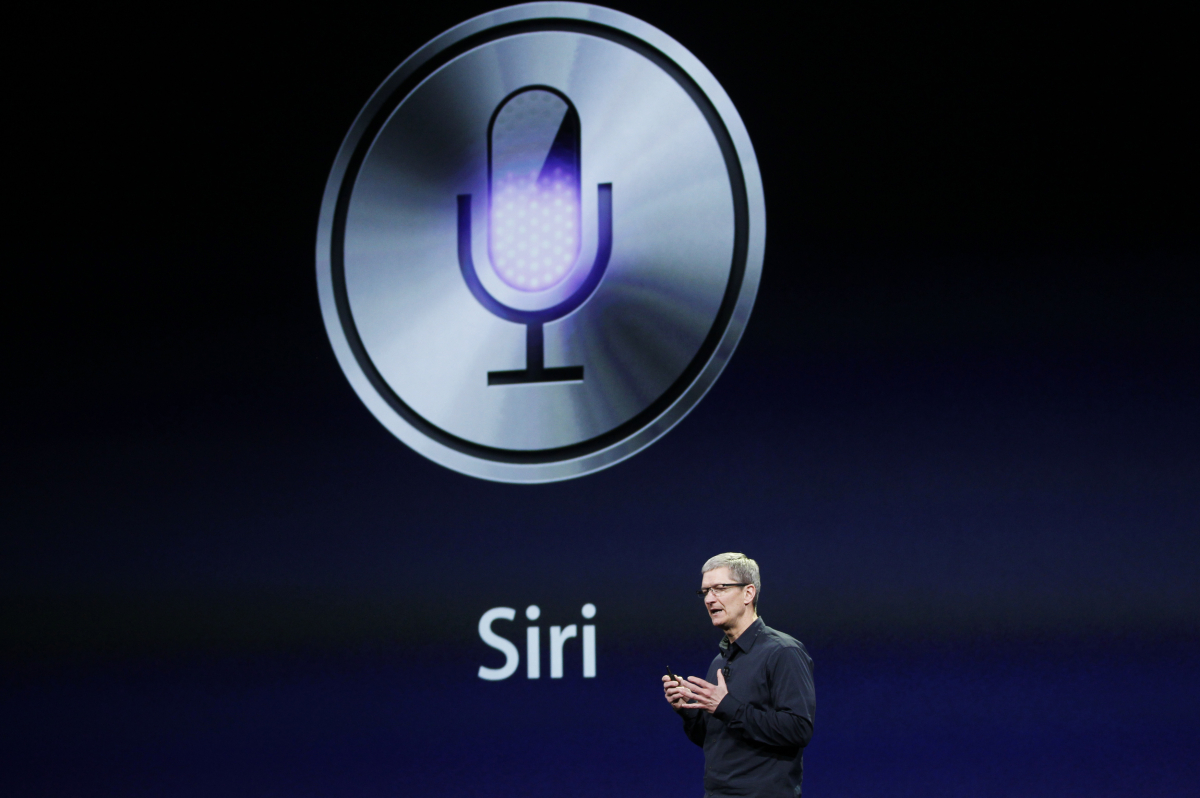
The company has also faced growing scrutiny over its position in artificial intelligence. Rivals including Microsoft, Google and other technology firms have moved aggressively into the sector, while Apple has been criticised for delays in rolling out advanced AI features and modernising Siri.
Challenges ahead for Apple's next CEO
Although Ternus inherits one of the strongest businesses in the world, he also takes charge at a time of significant change for the technology industry.
Artificial intelligence is rapidly reshaping the competitive landscape, placing pressure on Apple to demonstrate how it intends to integrate AI more deeply into its products and services.
The company is also continuing efforts to diversify its manufacturing footprint beyond China, while navigating geopolitical tensions, supply-chain challenges and growing competition across multiple product categories.
Investors will be watching closely to see how Ternus balances Apple's tradition of hardware innovation with the demands of an increasingly AI-driven future.
A smooth transition planned
Unlike some leadership changes that follow periods of uncertainty, Apple's succession plan has been years in the making.
Cook will continue working closely with Ternus during the transition before moving into his new position as executive chairman.
After leading Apple through one of the most successful periods in its history, Cook now hands over responsibility to an executive who has spent 25 years helping build the products that define the company.
For Apple, the transition represents not just the end of an era, but the beginning of a new one.
















What is your opinion on this topic?
Leave the first comment