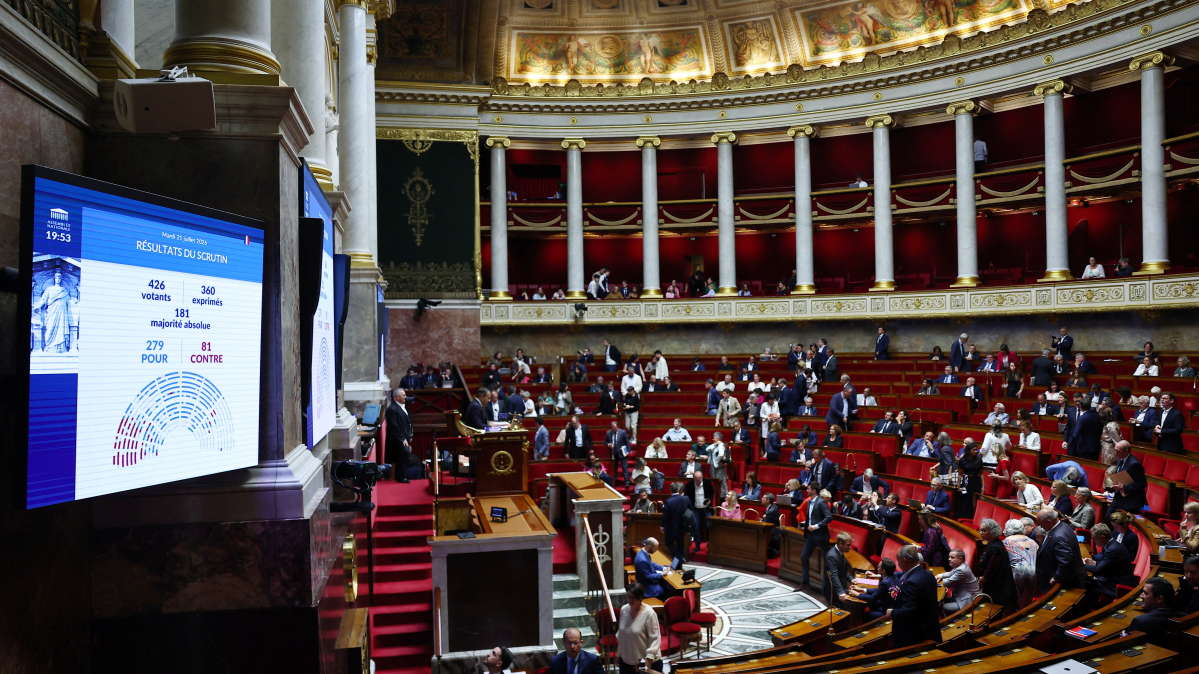
French lawmakers have approved a ban preventing children under the age of 15 from using social media, making France the first country in the European Union to introduce a legal age limit for online platforms.
The measure, strongly supported by President Emmanuel Macron, is expected to become law after being signed by the president.
It follows similar action by Australia, which introduced the world’s first under-16 social media ban late last year, while the UK and several European countries are also preparing tighter restrictions.
Macron has argued that stronger protections are needed to shield young people from harmful online content and the influence of powerful digital platforms.
“The brains of our children and our teenagers are not for sale,” Macron said in a video message earlier this year. “
The emotions of our children and our teenagers are not for sale or to be manipulated, neither by American platforms nor by Chinese algorithms.”
Age checks and platform responsibilities
Under the new French law, children younger than 15 will not be allowed to create social media accounts from 1 September. Existing accounts used by underage children will have to be closed within four months.
Major platforms will also be required to introduce government-approved age verification systems. However, officials have not yet fully explained how the checks will work or what technology companies must use to enforce the rules.
The legislation will be overseen by Arcom, France’s digital and audiovisual regulator, which will monitor compliance across major platforms.
The law also introduces restrictions on marketing aimed at children. Social media advertising targeted at young users, including promotions by influencers, will be prohibited. Platforms will also be required to display warnings stating: “Dangerous products for children under 15.”
Growing concerns over youth mental health
French officials say the move is aimed at addressing concerns over the impact of social media on teenagers’ mental health, attention and exposure to harmful content.
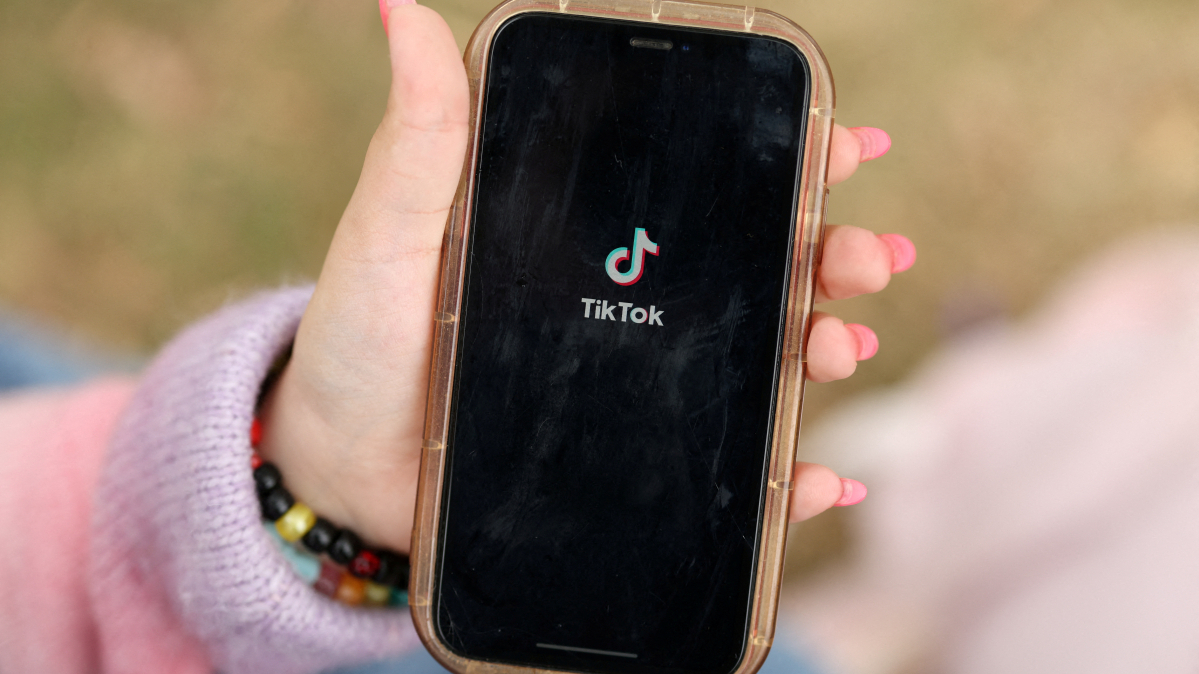
According to Arcom, French teenagers aged between 12 and 17 spend an average of more than an hour a day on TikTok. The regulator has warned that recommendation algorithms can repeatedly push users towards extreme or distressing content.
Macron has previously called on young people to reduce screen time and spend more time reading and engaging in offline activities.
“We left you in this jungle and it robbed you of your attention,” Macron told teenagers at an event in April. “We need to slow down and help you become adults, and above all citizens.”
Part of a wider global push
France’s decision comes as governments around the world increase pressure on social media companies to do more to protect children online.
Australia’s ban, which came into force in December, restricts access for under-16s on platforms including Facebook, Snapchat, TikTok and YouTube. The UK has announced plans for similar measures, while Spain, Greece and Denmark are considering their own age limits.
French officials said the country’s approach could serve as a model for Europe. Anne Le Hénanff, France’s junior minister for artificial intelligence, described the move as a major step towards protecting young users.
“France opens the way by being the first country in Europe to adopt a digital majority,” she told senators.
Social media companies have criticised blanket bans, arguing that they already provide safety tools and age restrictions for younger users. However, many have said they will comply with laws introduced by governments.
The European Commission is also developing wider rules for online platforms and will review whether France’s legislation aligns with existing EU digital regulations.
Read more:



















What is your opinion on this topic?
Leave the first comment