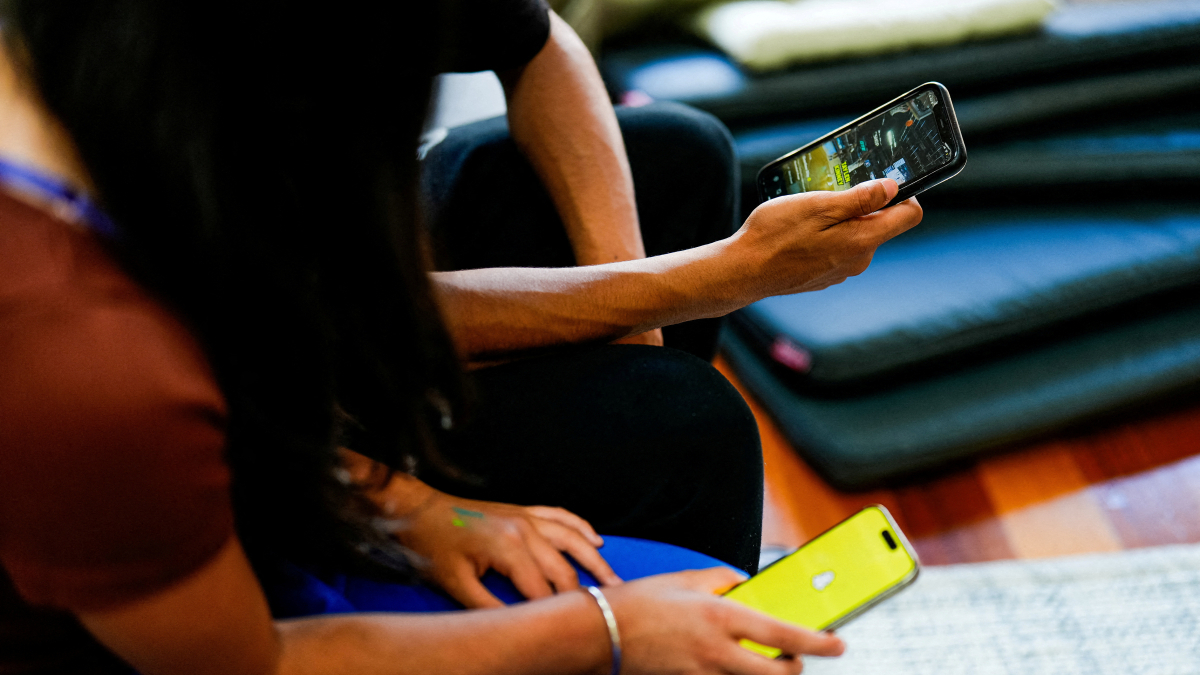
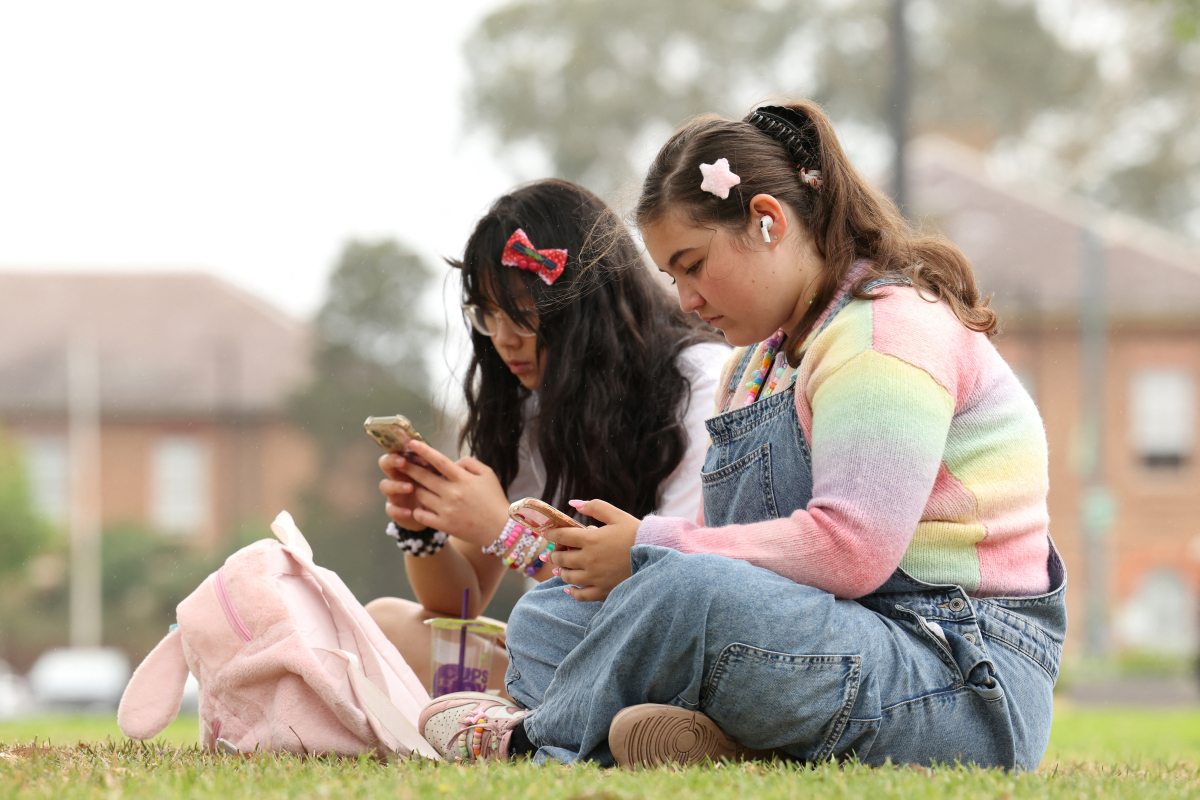
Australia said it would double the maximum penalty it can impose on tech firms found to have failed to uphold a groundbreaking social media ban for children, as evidence mounts that the ban has had little effect on teen use.
The government will also expand the eSafety Commissioner’s powers, allowing it to require social media companies to provide evidence of steps taken to prevent under-16s from creating accounts.
Under the changes, the maximum penalty for systematic failures to uphold the ban jumps to A$99 million ($68 million) from A$49.5 million.
The government reiterated that eSafety is actively investigating the possible non-compliance of five platforms: Meta's Instagram and Facebook, Google's YouTube, Snap's Snapchat and TikTok.
Global attention and political debate
Australia's six-month-old ban is being closely watched by many nations seeking to emulate it due to concerns about the impact of social media on youth mental and physical health.
Britain this month said it planned restrictions that go further as gaming and live-streaming platforms will also be affected.
"I'm heartened by the shift in conversation and the global momentum we’ve seen since introducing the social media minimum age, but it’s clear big tech are not doing enough to comply with the law – there are still too many children on social media," Prime Minister Anthony Albanese said in a statement.
The statement said that since the ban has been put in place more than 5 million under-16 accounts have been deactivated or restricted.
However, several studies show that age-verification methods introduced by tech companies, such as selfie checks, are easily bypassed by children, and in many cases users are not even asked to verify their age.
According to a study published in the British Medical Journal this week, which looked at 408 adolescents, 85% of Australians aged 12 to 15 were still using social media three months after the ban took effect.
Two-thirds of underage users stayed online by self-declaring an age over 16 or posting a selfie that the platform accepted as over 16, it said.
In addition to giving the regulator power to demand information from social media platforms, planned legal changes will also allow it to collect data from third parties such as age-assurance providers and app stores. This is aimed at helping verify and test claims made by the platforms.
A spokesperson for the prime minister said that the timing of when the amendments to the law would be introduced to parliament had not yet been decided, but the government would have more to say on the matter soon.


















What is your opinion on this topic?
Leave the first comment