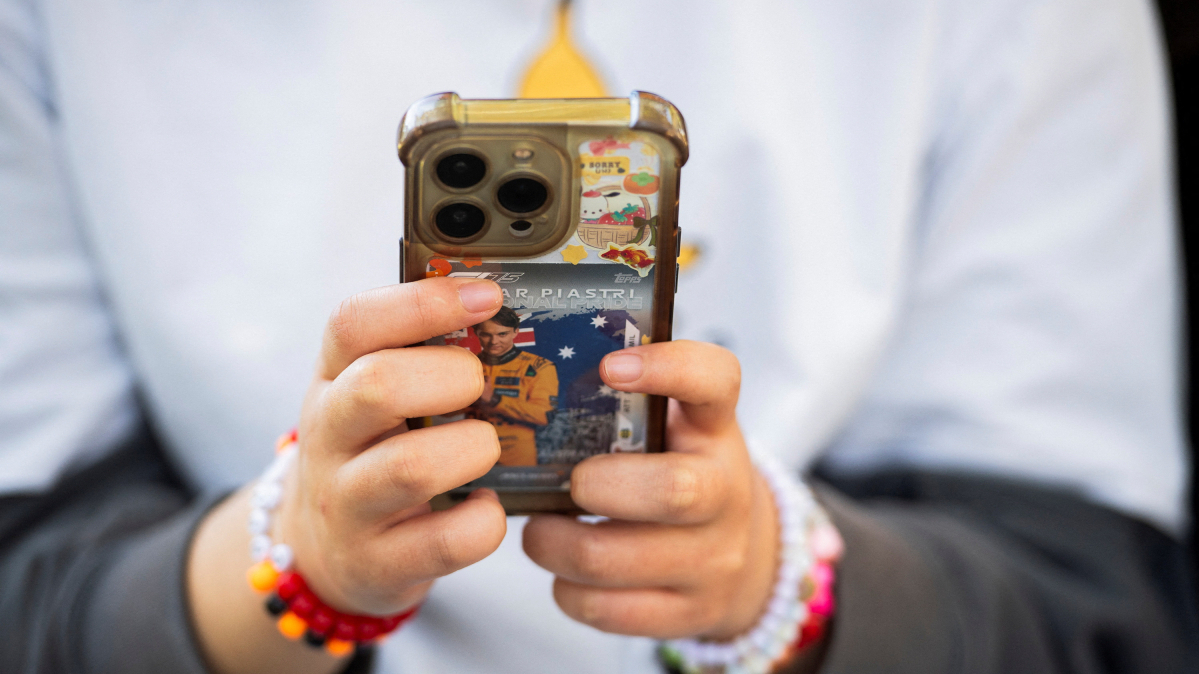
Britain will introduce a default overnight curfew on social media apps for 16 and 17-year-olds, expanding planned restrictions aimed at reducing the impact of excessive screen use on young people.
Under the new measures, teenagers aged 16 and 17 will be blocked from accessing social media platforms between midnight and 6 a.m. unless they choose to change the default settings.
Features designed to encourage prolonged use, such as videos that automatically play one after another, will also be turned off by default.
The government said the restrictions are intended to provide additional safeguards for older teenagers who will be allowed access to social media under a broader proposal to ban under-16s from using such platforms.
Technology Minister Liz Kendall said the measures would help tackle the effects of late-night social media use.
"These measures will be crucial in helping young people get the sleep they need, focus on school and college, and spend more quality time with family and friends," Liz Kendall said in a statement.
The announcement comes amid growing international concern among parents, educators and policymakers about the effect of social media on children's mental and physical well-being.
Study highlights benefits of restrictions
A study published on Tuesday found that restrictions on social media use improved sleep, concentration and overall well-being among young people.
Researchers said an overnight curfew was the easiest measure for families to maintain and delivered the most consistent benefits for sleep.
The findings are likely to add support to efforts by governments around the world to place stricter limits on young people's use of digital platforms.
Rules set to take effect in 2027
The first package of regulations is expected to be presented to parliament by the end of the year.
The government said the measures are due to come into force in spring 2027 and promised robust implementation and enforcement.
The overnight curfew forms part of wider proposals that would introduce a sweeping social media ban for children under the age of 16.
Concerns remain over enforcement
Questions remain about how effectively age-based restrictions can be enforced.
Australia, the first country to introduce a social media ban for children, has faced challenges in implementing age verification systems. A team advising the Australian government found online platforms were struggling to accurately verify users' ages, raising concerns about the effectiveness of such restrictions.
The issue has also attracted legal scrutiny elsewhere. In the United States, Google and TikTok recently reached separate settlements in a lawsuit brought by a minor who alleged social media platforms had harmed his mental health.
Part of a wider global debate
Britain's latest proposals underline a growing global debate over how to protect children online while maintaining access to digital services.
With concerns over mental health, sleep and online safety continuing to rise, governments are increasingly looking at stricter regulations for social media companies and additional safeguards for younger users.




















What is your opinion on this topic?
Leave the first comment