A cyclosporiasis outbreak, the largest ever recorded in the U.S., has caused its first known deaths, health officials in Michigan said on Monday.
Outbreak linked to iceberg lettuce
The two people who died had serious underlying health conditions that may have been worsened by the illness and dehydration, according to medical records cited by the Michigan Department of Health.
Cyclosporiasis is an intestinal illness caused by the Cyclospora parasite and is generally not life-threatening. Symptoms include severe diarrhoea, nausea and other gastrointestinal problems, while prolonged illness can lead to dehydration.
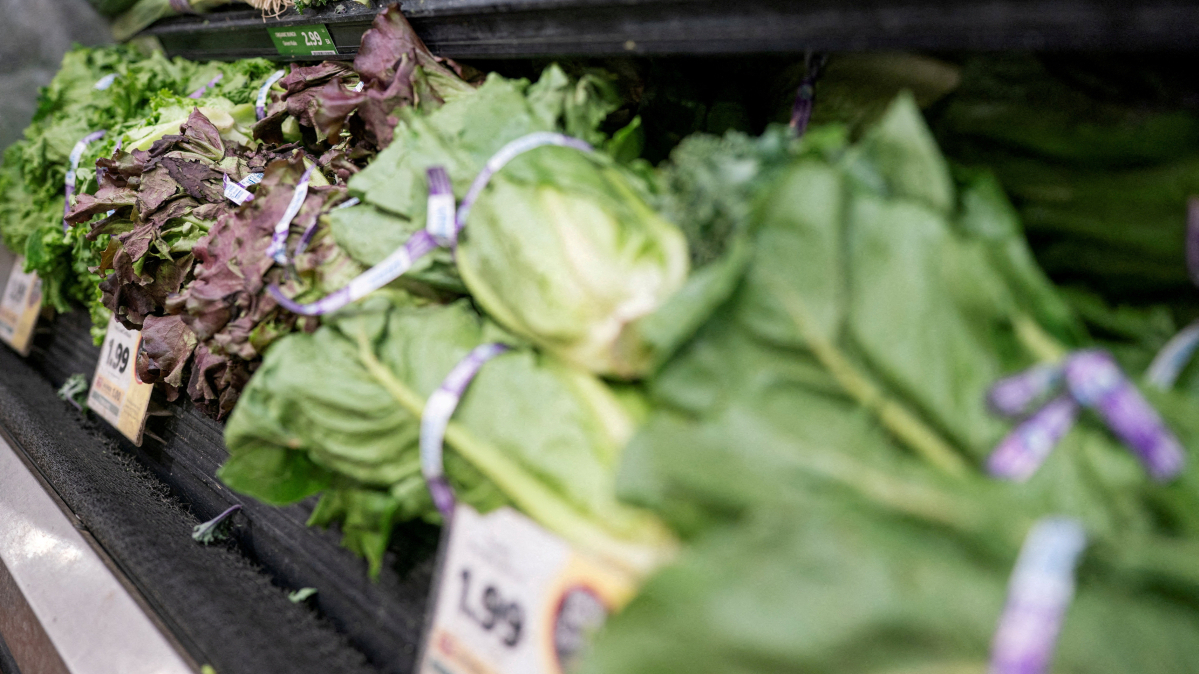
An investigation by the U.S. Food and Drug Administration linked the outbreak, now affecting nine states, to iceberg lettuce supplied by privately owned Taylor Farms facilities in central Mexico and served at Taco Bell restaurants, owned by Yum Brands.
The lettuce has been recalled, but authorities are continuing to investigate other possible sources.
Epidemiologists believe several outbreaks may be occurring simultaneously. It remains unclear whether the two people who died became ill after eating Taylor Farms lettuce served at Taco Bell or were exposed to another source that has yet to be identified.
Cyclosporiasis infections have reached record levels in the U.S. this year, with the current outbreak among the largest foodborne disease outbreaks in the country's recent history.
The outbreak has also affected consumer confidence, contributing to lower lettuce sales and fewer visits to restaurant chains including Sweetgreen and Chipotle.
Michigan records highest number of cases
The U.S. Centers for Disease Control and Prevention recorded 6,707 laboratory-confirmed cases nationwide as of 28 July, along with more than 11,500 suspected cases awaiting laboratory confirmation.
Figures reported by individual states are higher because the CDC does not include probable cases in its total.
Michigan, the worst-affected state, had recorded 11,234 cases as of Monday, an increase of 461 since Friday. A total of 193 people have been admitted to hospital, according to state health department data.
Wayne County, which includes Detroit, has reported the highest number of cases in the state, with 1,379.
Investigators search for additional sources
Health officials said the scale of the outbreak, gaps in reporting and difficulties recalling what people had eaten were making it harder to identify other foods that may have contributed to the spread.
“We have one clear implicated food, but it doesn’t explain everything,” said Susan Ringler Cerniglia, spokesperson for the Washtenaw County Health Department, where 875 cases have been reported.
She also said conflicting messages from the U.S. Department of Health and Human Services had complicated the response. Health Secretary Robert F. Kennedy Jr. has said the outbreak is under control.
“Leadership is saying things that don’t really fit with what the data is telling us, and that’s very, very problematic,” Ringler Cerniglia said. “The secretary is saying this is under control and it’s all good while you have case counts exploding.”
The Department of Health and Human Services said on Monday it was aware of the deaths.
Health agency cuts may hamper response
Former CDC officials and food safety specialists have warned that cuts to federal health agencies have weakened the government's ability to respond to foodborne disease outbreaks.
Cyclospora is more difficult to trace than many other foodborne pathogens because, unlike bacteria, it cannot be grown in a laboratory or easily mapped genetically to identify links between cases, according to Dr Paul Bollyky, professor of infectious disease at Stanford Medicine.
He said this makes epidemiological investigations and contact tracing more difficult and labour-intensive, particularly when public health departments are understaffed.
“It certainly doesn’t help matters to have underfunded or understaffed public health departments,” Bollyky said, adding that budget cuts and staff turnover at the CDC could make outbreaks more difficult to trace and control.
He said the scale of the outbreak also raised wider questions about the safety of the U.S. food supply.
“Anytime you have over 10,000 people infected with a foodborne pathogen, you do have to wonder whether this is a canary in the coal mine.”





















What is your opinion on this topic?
Leave the first comment