Nearly 7,000 people across the United States may have been infected with cyclosporiasis, a foodborne parasitic illness that causes prolonged diarrhoea. The outbreak has spread to 34 states, with health officials still trying to identify its source.
1. Nearly 7,000 people may be affected by the outbreak
The Centers for Disease Control and Prevention (CDC) has confirmed 1,645 cases nationwide, while another 5,100 suspected cases are still under investigation, making it one of the largest foodborne illness outbreaks in the U.S. in recent years.
2. Cases have spread across 34 states
The outbreak has affected at least 34 states, with infections reported in different parts of the country. The number of cases has increased sharply in recent weeks, and health officials expect the total to continue rising as more infections are confirmed.
3. Michigan has recorded the highest number of cases
Michigan is the hardest-hit state, with more than 3,300 confirmed cases reported. Other states with significant numbers of infections include New York, Ohio, North Carolina and Illinois, while additional cases have been reported in Indiana, Texas and New Jersey.
4. More than 140 people have been hospitalised
Since illnesses were first reported in May, 141 people have been admitted to hospital due to cyclosporiasis. However, no deaths have been reported in connection with the outbreak.
Patients range in age from 2 to 95 years old, and more than half of reported cases have involved women.
5. Cyclosporiasis is caused by a microscopic parasite
Cyclosporiasis is an intestinal illness caused by the parasite Cyclospora. People become infected by consuming food or water contaminated with the parasite. The infection is considered foodborne and is usually linked to unsafe food handling or contaminated water.
6. The main symptom is severe, prolonged diarrhoea
The most common symptom of cyclosporiasis is frequent, watery and sometimes severe diarrhoea. Patients may also experience bloating, nausea, stomach cramps, fatigue, body aches and loss of appetite. Without treatment, symptoms can last for weeks and may return after appearing to improve.
7. Symptoms can appear after two weeks
People infected with Cyclospora usually become sick about one week after exposure, but symptoms can appear up to two weeks later. This delay makes it difficult for patients and investigators to identify the exact food that caused the infection.
8. The source of the outbreak remains unknown
Health authorities have not identified a specific product, farm, supplier, restaurant or retailer responsible for the outbreak.
Investigators believe multiple sources may be involved, with at least 400 cases in Michigan, Ohio, Kentucky and West Virginia potentially connected as part of one multistate outbreak.
9. Lettuce and salad greens are among the suspected sources
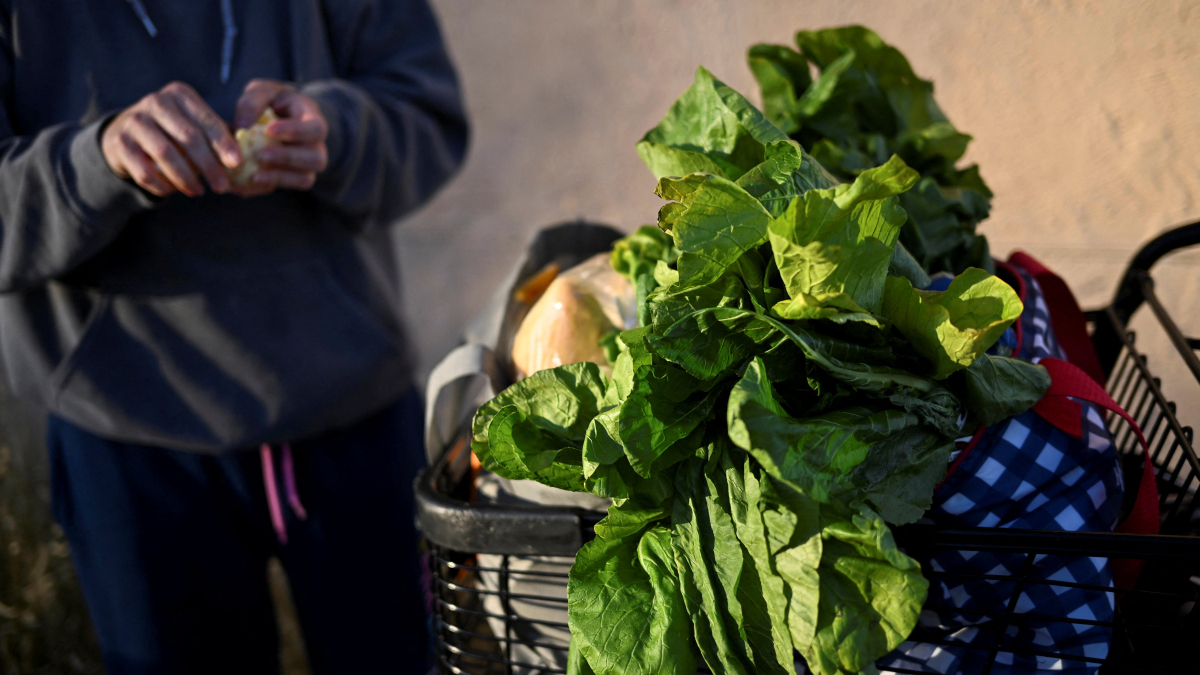
Michigan health officials identified lettuce and salad greens as possible sources after interviewing more than 1,000 infected people. However, no single product has been confirmed, and no recalls have been issued.
Previous cyclospora outbreaks have been linked to fresh produce, including bagged salads, cilantro, basil, raspberries, green onions and snow peas.
10. Prevention focuses on safe food handling
The CDC recommends washing fresh fruits and vegetables under clean running water before eating.
Health officials also advise removing outer leaves of leafy vegetables and peeling produce when possible. However, experts note that washing may not completely eliminate the parasite, as Cyclospora can be difficult to remove from contaminated produce.























What is your opinion on this topic?
Leave the first comment