Scientists say the accidental crash of a discarded SpaceX rocket stage into the moon has provided valuable data on impact cratering while posing no threat to Earth or lunar hardware.
Impact offers rare scientific opportunity
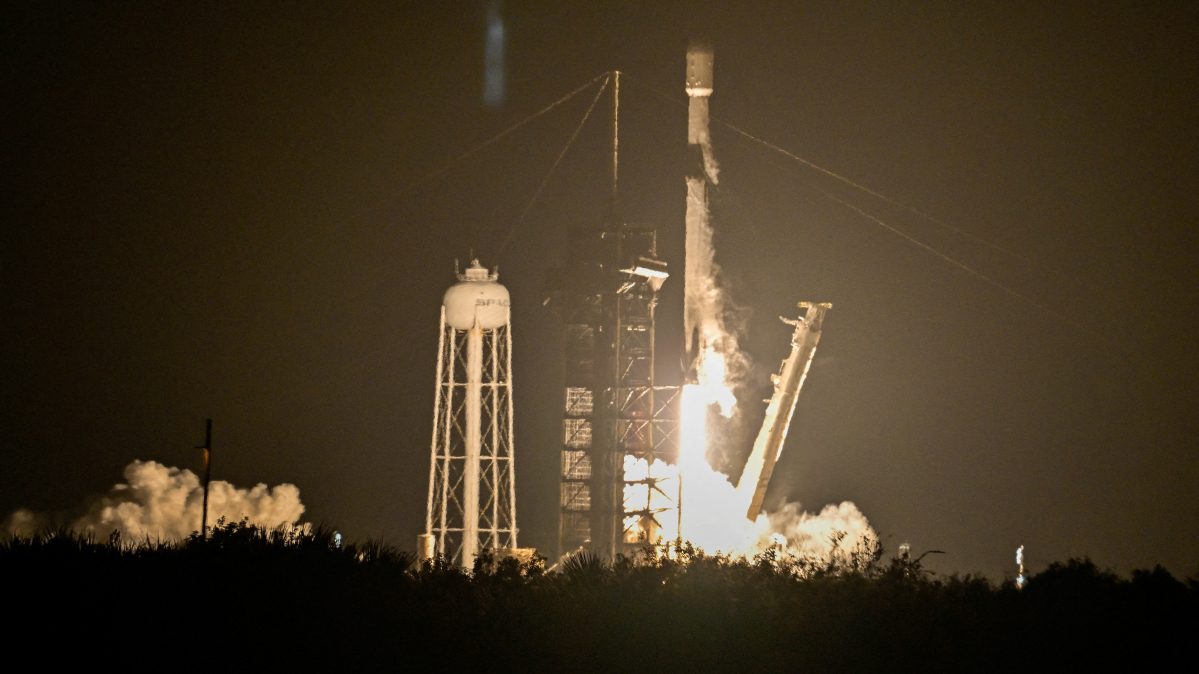
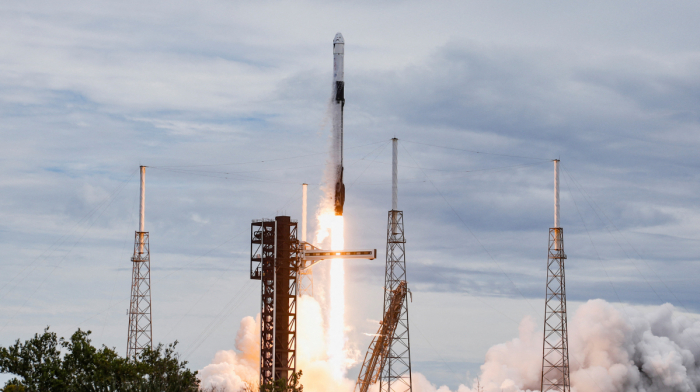
A discarded SpaceX Falcon 9 upper stage crashed into the moon at high speed early on Wednesday, 5 August, after drifting through space since a January 2025 mission that sent Firefly Aerospace's Blue Ghost 1 lunar lander towards the lunar surface.
NASA lunar scientist Kelsey Young said the impact was not planned by the agency but described it as a safe and technically accepted way for some hardware in low lunar orbit to end its mission. She said a combination of solar activity and gravitational forces altered the stage's trajectory, causing it to collide with the moon.
Young said the crash posed “absolutely no danger” to people on Earth or to hardware already on the lunar surface. Scientists are interested in the event because an object of known size and velocity provides a rare opportunity to refine models of lunar impact cratering and improve tracking of similar objects in the future.
Rocket stage had completed lunar mission
The rocket stage, roughly the size of a school bus, had been used in the Falcon 9 launch that successfully deployed Firefly Aerospace's Blue Ghost 1 lander as part of NASA's Commercial Lunar Payload Services initiative.
Lunar impacts remain uncommon
Impacts from discarded spacecraft on the moon are uncommon but not unprecedented. A Chinese rocket stage struck the lunar surface in 2022, while NASA deliberately crashed a rocket stage into the moon in 2009 to study the resulting debris plume, helping scientists confirm the presence of traces of water ice in the lunar soil.






















What is your opinion on this topic?
Leave the first comment