Governments meeting in Geneva on Monday, 16 November, are divided over plans for legally binding rules on autonomous weapons, with the U.S. and Russia resisting restrictions on military systems capable of selecting and attacking targets without human control.
Most of the 128 countries party to the Convention on Certain Conventional Weapons (CCW) support binding restrictions. However, major military powers, including the U.S., Russia and Israel, oppose the proposal, arguing that existing international humanitarian law provides sufficient safeguards.
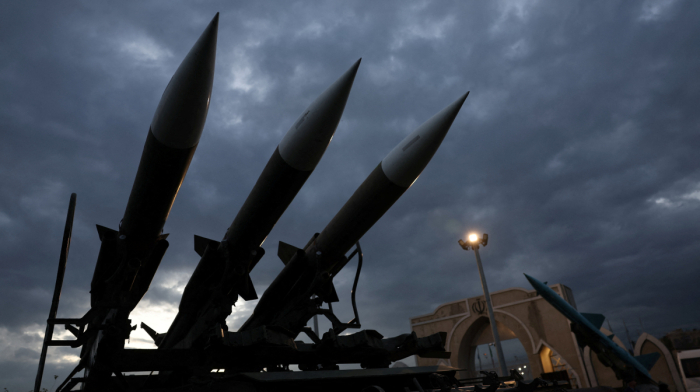
The outcome could shape how AI-powered weapons, including autonomous drones and robotic military systems, are regulated. Human rights organisations warn that such weapons could make unpredictable targeting decisions, increasing the risk of fatal errors and raising questions about accountability.
What are autonomous weapons?
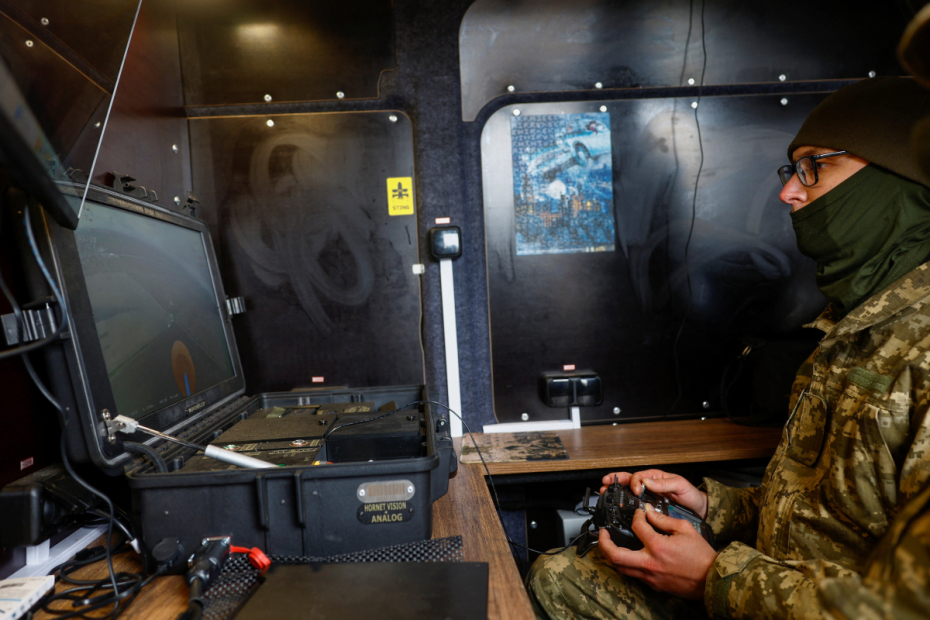
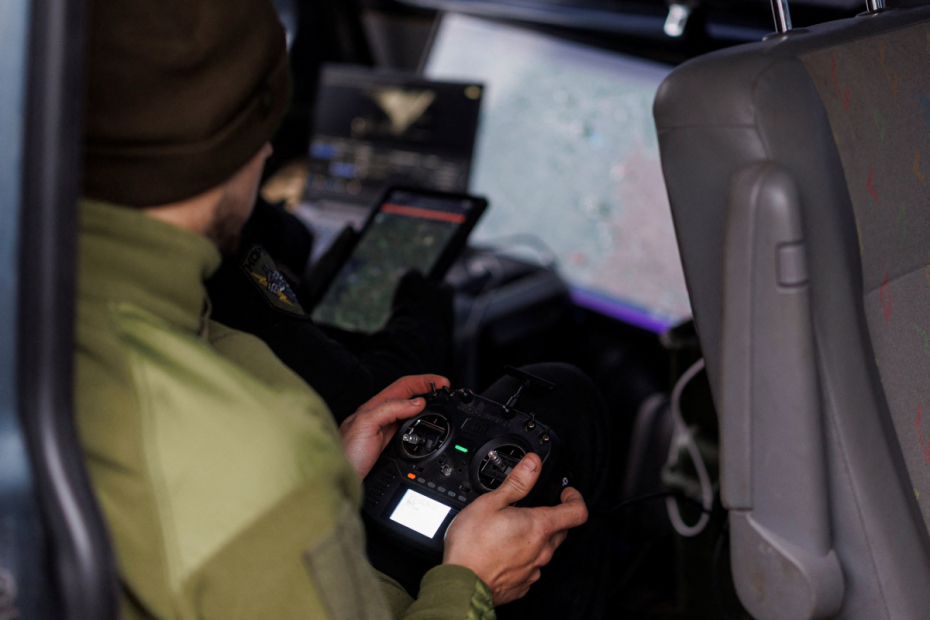
Autonomous weapons can independently identify and attack targets after activation, although the degree of human involvement varies. They differ from remotely operated weapons, which require humans to make targeting decisions.
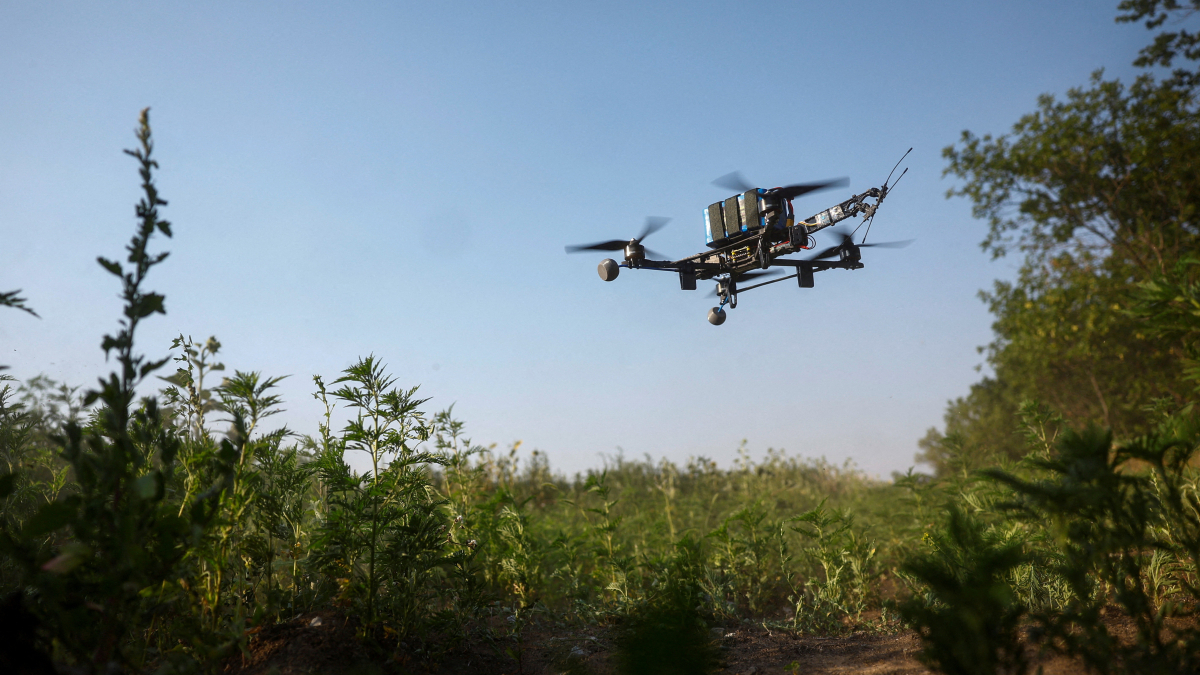
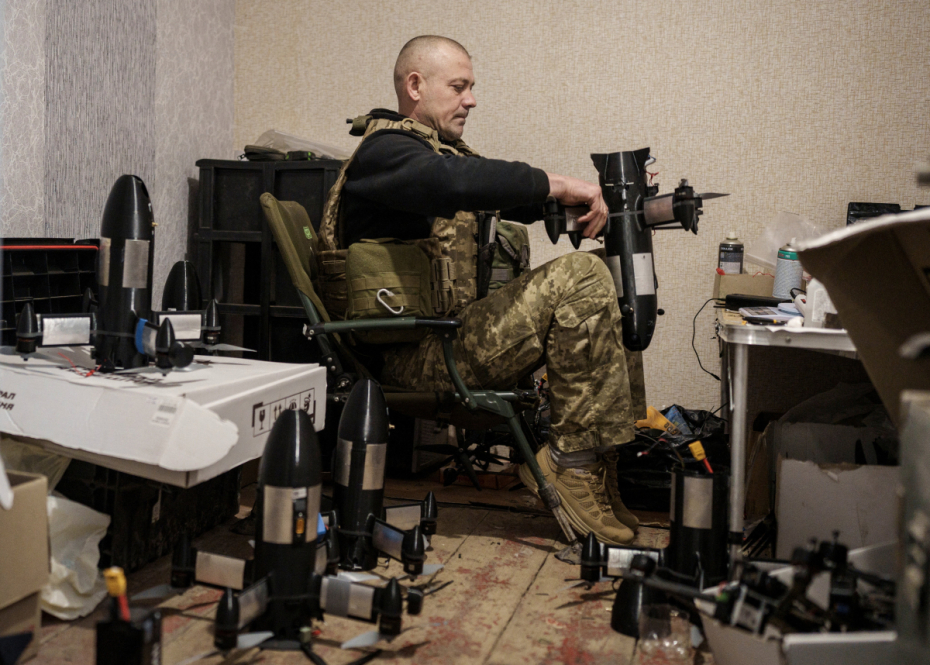
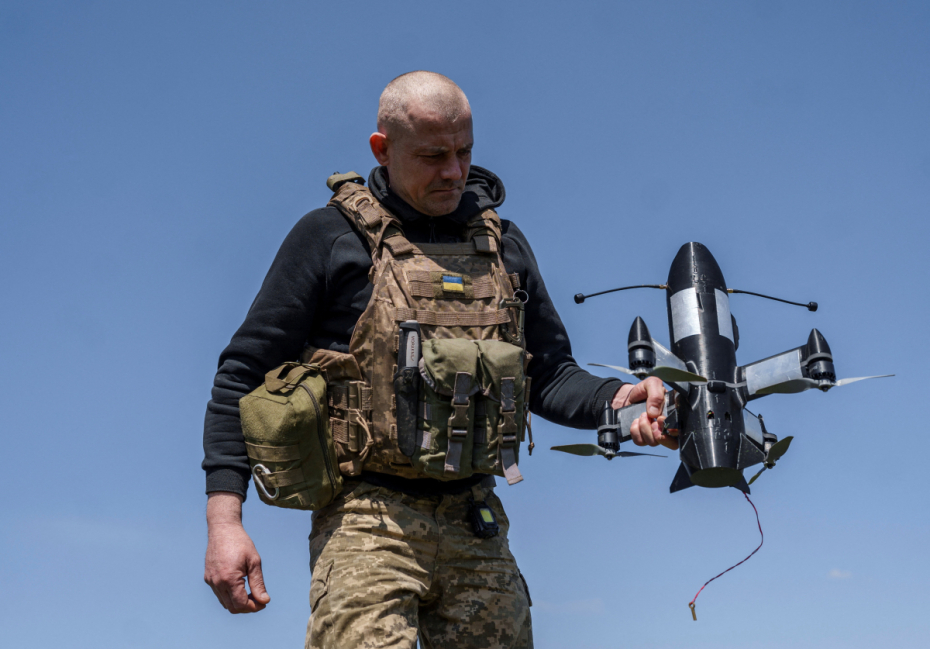
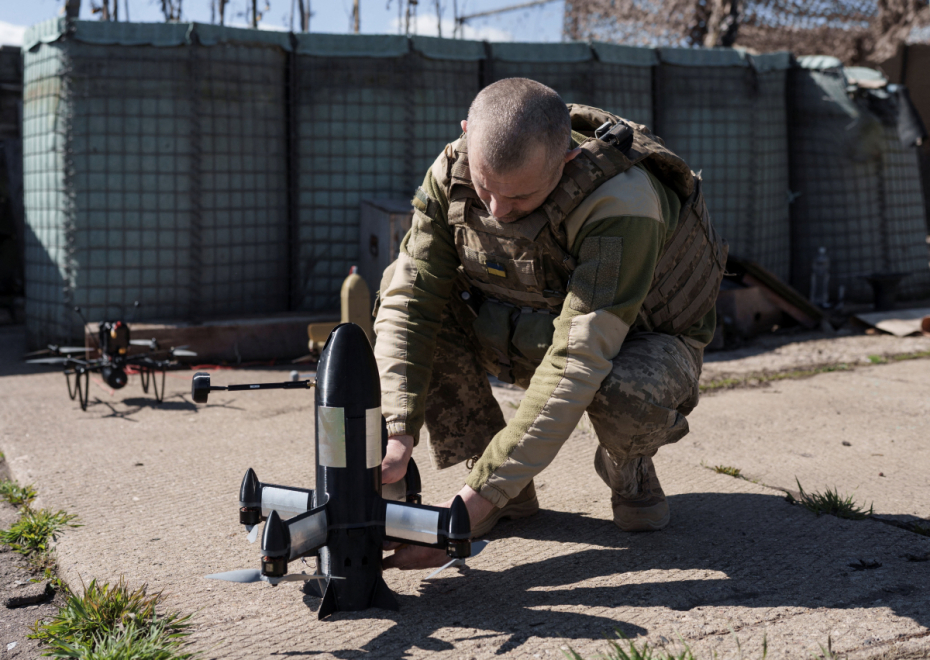
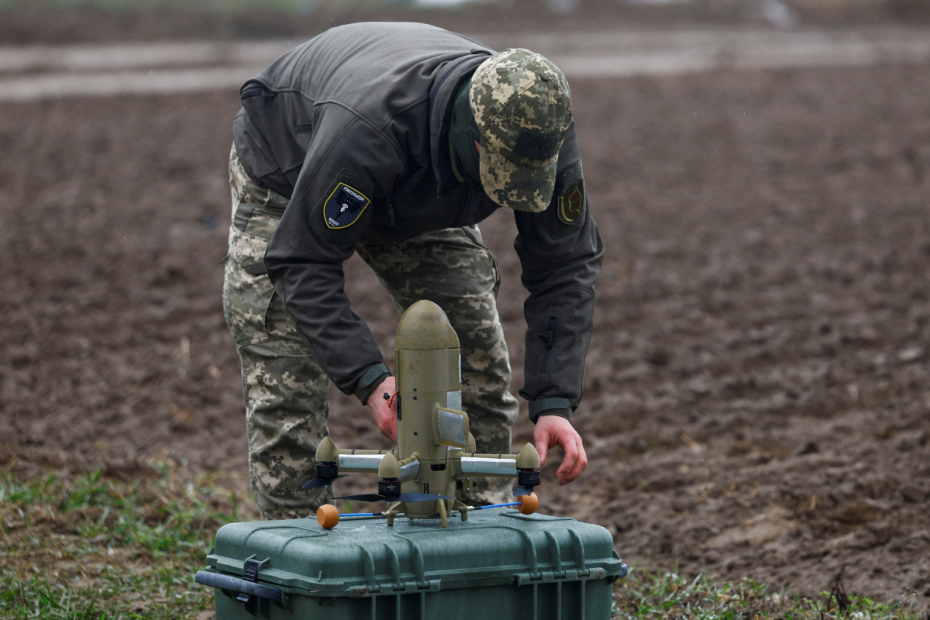
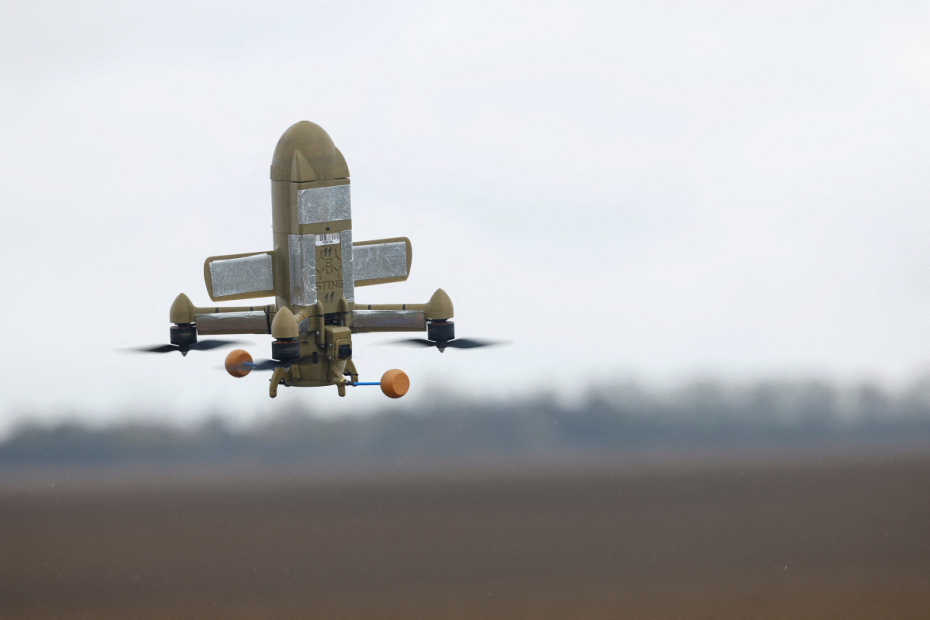
Advances in artificial intelligence have accelerated the development of autonomous drones, robots, tanks and submarines.
Semi-autonomous and AI-assisted weapons have already been used in Ukraine, Sudan and the Middle East. However, this does not necessarily mean fully autonomous weapons have been deployed.
Anna Hehir, head of military AI governance at the Future of Life Institute, pointed to media reports of early deployments of fully autonomous systems in Ukraine, warning that the technology was no longer a distant possibility.
What is the UN deciding in Geneva?
The UN-hosted CCW Review Conference is debating whether to begin formal negotiations on restrictions for Lethal Autonomous Weapons Systems (LAWS).
The conference chair has proposed a two-year mandate to negotiate a legally binding protocol.
The U.S. favours a five-year process that would produce non-binding guidelines, while other proposals leave open the possibility of combining mandatory and voluntary rules.
No treaty is expected this week. Instead, delegates must decide whether formal negotiations should begin and what form they should take.
Why do the U.S. and Russia oppose binding rules?
Washington maintains that existing international humanitarian law already governs the use of autonomous weapons in armed conflict.
Russia has previously opposed legally binding restrictions but has yet to publicly set out its position ahead of the Geneva meeting.
A senior Western diplomat said Moscow also intends to block the European Union, which has observer status at the conference, from speaking to delegates.
Israel has also rejected calls for legally binding restrictions.
The International Committee of the Red Cross (ICRC) disagrees that existing humanitarian law offers adequate protection, warning that autonomous weapons pose risks that demand specific international regulation.
What risks do AI weapons pose?
Human rights organisations warn that autonomous weapons could behave unpredictably on the battlefield, potentially leading to unlawful attacks and civilian deaths.
At the heart of the debate is a fundamental question: should machines be allowed to decide whom to target and attack without meaningful human control?
Verity Coyle of Human Rights Watch warned that life-and-death decisions on the battlefield should not be handed over to machines.
The UN, ICRC and Pope Leo XIV have also called for tighter controls.
Campaigners say autonomous targeting could make it harder to distinguish civilians from combatants and establish who is responsible when attacks cause harm.
Could countries reach an agreement?
Despite opposition from major military powers, diplomats familiar with the discussions believe a deal is still possible.
According to Human Rights Watch's Coyle, the UK, Germany and France support opening negotiations without committing in advance to a legally binding outcome.
Their position falls between the conference chair's proposal for a binding protocol and Washington's preference for voluntary guidelines.
Two diplomats warned that talks would be difficult but said an agreement combining binding and non-binding measures could offer a way forward.
What happens next?
Delegates are expected to weigh the competing proposals before the conference ends later this week.
A deal to begin negotiations could pave the way for international restrictions on autonomous weapons. Failure to reach consensus, however, could stall efforts to establish common rules.
With artificial intelligence playing an increasingly prominent role in warfare, the immediate challenge is whether governments can agree on how to negotiate the rules governing its use.


















What is your opinion on this topic?
Leave the first comment