Dubai will host GITEX Global 2026 from 7 to 11 December, bringing together global technology leaders, governments and investors as surging demand for artificial intelligence (AI) puts pressure on energy supplies, computing capacity and digital infrastructure.
The event will open with a summit at Dubai World Trade Centre on 7 December, followed by four days of exhibitions and conferences at Dubai Exhibition Centre in Expo City Dubai. The new venue and format will also see the annual gathering reunite with its startup and investor showcase, Expand North Star.
Organisers expect more than 6,000 companies, startups and government organisations to participate, alongside over 750 investors from more than 60 countries managing nearly $2 trillion in assets. The event comes as governments and businesses review technology spending plans for 2027, with AI infrastructure becoming an increasingly important investment priority.
AI's growth puts pressure on energy infrastructure
The rapid growth of AI is driving demand for more powerful data centres, reliable electricity supplies and advanced computing equipment, straining infrastructure struggling to keep pace.
According to the International Energy Agency (IEA), electricity consumption by data centres rose by 17 per cent in 2025, driven partly by growing demand for AI services. The agency expects global data centre electricity demand to roughly double by 2030, with consumption at AI-focused facilities potentially tripling.
The IEA has also highlighted equipment shortages and delays in connecting facilities to electricity grids as major barriers to growth. These constraints could slow the rollout of new AI systems, even as investment continues to rise.
In response to these challenges, GITEX will introduce two dedicated exhibitions, GITEX Super Data Centre and GITEX New Energy, exploring the growing links between computing infrastructure, electricity generation and industrial capacity.
At the heart of the discussions is a pressing question: how can the technology industry expand AI capabilities without allowing energy demands and operating costs to spiral?
Governments confront the question of AI sovereignty
Beyond infrastructure, governments face increasingly complex decisions over who controls data, computing resources and the technology underpinning essential services.
AI sovereignty has become a growing priority, as countries seek to build their own technological capabilities while remaining dependent on international suppliers for advanced chips, cloud services and computing infrastructure.
More than 400 government entities are expected to attend, according to the organisers, alongside major technology companies including Microsoft, Google, Amazon Web Services, AMD, Huawei, IBM and Oracle.
The gathering will bring technology developers face to face with the public institutions responsible for regulating, purchasing and securing their systems.
Cybersecurity will also take centre stage. GITEX Cyber Valley will explore threats posed by increasingly autonomous AI systems, including how organisations can maintain oversight and protect sensitive information as automated tools take on more complex responsibilities.
The programme will further examine preparations for quantum computing and the potential risks it poses to existing cybersecurity systems.
Robotics faces the test of commercial viability
Despite the surge in AI investment, turning technological breakthroughs into profitable businesses remains a major hurdle.
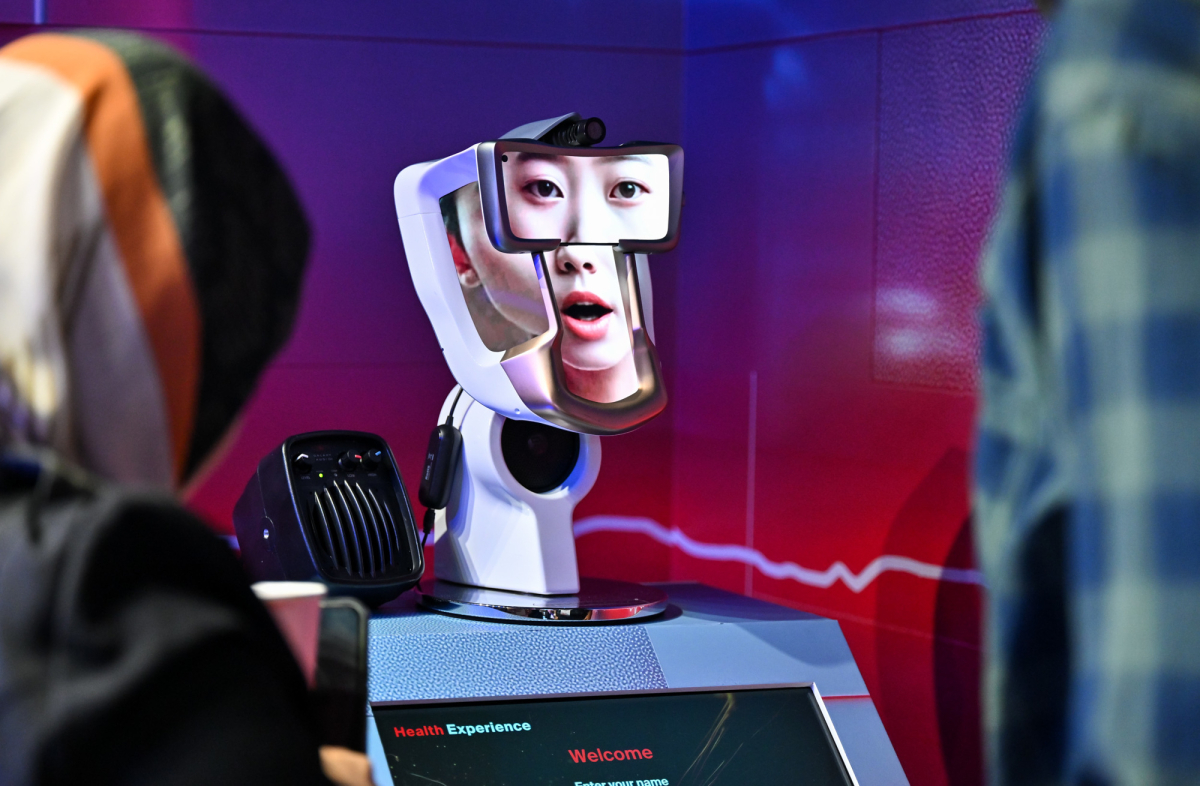
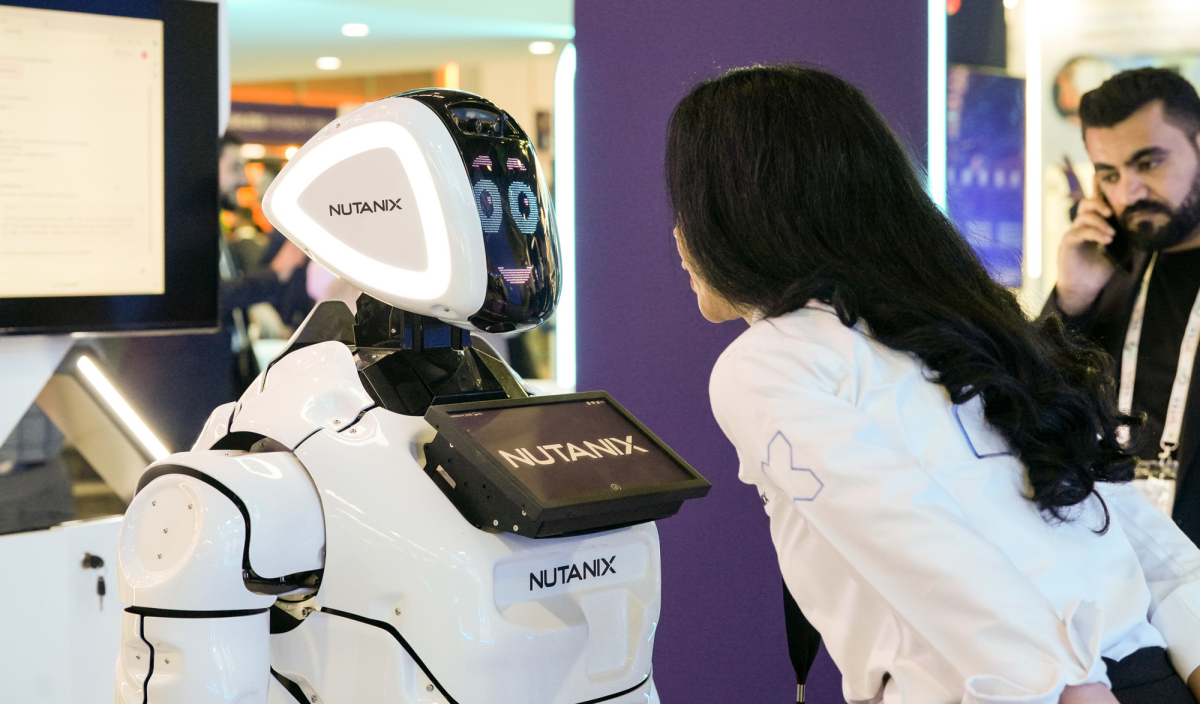
GITEX World Robotix and GITEX MobX will explore the real-world use of humanoid robots, service machines and autonomous transport systems.
Companies including Unitree, Booster Robotics and Pudu Robotics are among the confirmed participants, alongside Joby Aviation, which is developing electric aircraft capable of vertical take-off and landing.
Beyond showcasing new technology, discussions will focus on the costs of deploying, maintaining and integrating automated systems into everyday business operations.
Another new programme, LIVX by GITEX, will explore AI's growing role in healthcare, including drug discovery, genetic research, precision diagnostics and regenerative medicine.
While these industries offer significant commercial opportunities, their long-term success will depend on whether AI can deliver measurable results at a sustainable cost.
Investors assess the next phase of AI spending
With 2027 approaching, investment decisions will be a key focus of the event.
According to organisers, participating enterprises collectively represent approximately $20 trillion in market capitalisation. However, this reflects the combined market value of attending companies, not the amount of funding available or the value of deals expected to be signed.
Expand North Star, running from 8 to 11 December, will connect startups with investors and potential business partners.
For startups, securing funding is becoming increasingly important as development and deployment costs rise. Investors, meanwhile, face the challenge of identifying which emerging technologies can generate lasting revenue.
The event's theme, “The Global Reset 2027, Through a New Lens”, reflects a shift in industry priorities, with discussions spanning AI infrastructure, energy, cybersecurity, robotics and international technology partnerships.
As governments and businesses finalise their spending plans for 2027, GITEX Global will offer a glimpse of where the next wave of technology investment is heading - and whether the infrastructure needed to support it can keep pace.





















What is your opinion on this topic?
Leave the first comment