China is leading a multinational effort to develop international standards to tackle the risks posed by generative artificial intelligence (AI), including deepfakes, manipulated data and security vulnerabilities.
The State Administration for Market Regulation announced the initiative on Tuesday (24 November), describing it as the world's first international standards proposal specifically addressing generative AI risk governance.
The proposed framework aims to establish a common approach to identifying and managing threats as AI systems become increasingly integrated into everyday life, public services and industrial operations.
Beijing says the initiative could help countries coordinate their responses to emerging threats without hindering technological development.
Deepfakes and manipulated AI models
Protecting AI systems from misuse and deliberate manipulation is at the heart of the initiative.
Deepfakes use AI to produce convincing but fabricated images, videos or audio recordings. They can be used to impersonate individuals, spread misinformation or facilitate fraud.
Another concern is model poisoning, in which attackers deliberately manipulate the data used to train or operate AI systems. This can cause models to produce misleading results, behave unpredictably or develop security vulnerabilities.
China's proposed guidelines, titled “Information Technology — Artificial Intelligence — Generative AI Systems Risk Response Guidelines”, seek to establish a common framework for managing such threats.
The country's regulator said the project was being developed with international partners to address risks that extend beyond national borders.
However, the proposal remains part of an international standard-setting process and would not create legally binding obligations or require countries to adopt the guidelines.
China expands its role in setting AI standards
The initiative forms part of Beijing's wider effort to shape how AI is developed, evaluated and used worldwide.
Sun Wei, deputy director-general of the regulator's Department of Standards Innovation Management, said China was leading work on 29 international standards covering foundational AI technologies.
These include data governance, human-machine interaction, security and the reliability of AI systems.
China is also coordinating 15 technical bodies working on 49 international standards for industry-specific applications, including smart cities and intelligent manufacturing.
“Next, the State Administration for Market Regulation will work with relevant departments to focus on frontier fields such as large models, intelligent agents, and embodied intelligence,” Sun said at the Beijing news conference.
The regulator said nearly 400 Chinese experts were registered to participate in AI-related standard-setting work under the International Organization for Standardization (ISO) and the International Electrotechnical Commission (IEC).
Of those, 155 registrations were within the organisations' joint specialist AI subcommittee, spanning all its working groups.
From smart cities to intelligent factories
China's standard-setting ambitions extend beyond chatbots and AI-generated content.
Sun said a Chinese-led project involving experts from 16 countries and regions had been formally approved to develop standards for AI-enabled smart-city operations.
The project aims to establish a shared approach to using AI to manage urban infrastructure and public services.
In manufacturing, Chinese experts are working with counterparts from more than 10 countries on intelligent industrial terminals, predictive maintenance and assessments of AI capabilities.
Predictive maintenance allows AI systems to analyse equipment data and detect potential faults before machinery fails, helping factories reduce unexpected shutdowns and maintenance costs.
Why global AI rules are becoming more urgent
The push for international standards comes as governments grapple with the risks posed by the rapid expansion of generative AI.
A report by the U.S. Government Accountability Office (GAO), published in April 2025, warned that generative AI could transform industries and increase productivity but also pose risks to individuals, society and national security.
The agency identified concerns including misinformation, unsafe AI-generated outputs, workforce disruption and the potential misuse of increasingly capable systems.
The report also highlighted gaps in the information available to regulators, noting that AI developers do not always disclose important technical details about their models.
The GAO recommended that policymakers consider wider use of risk-management frameworks, greater transparency and the sharing of international best practices.
The findings highlight a growing regulatory challenge: AI is advancing faster than many existing oversight mechanisms can adapt.
What happens next?
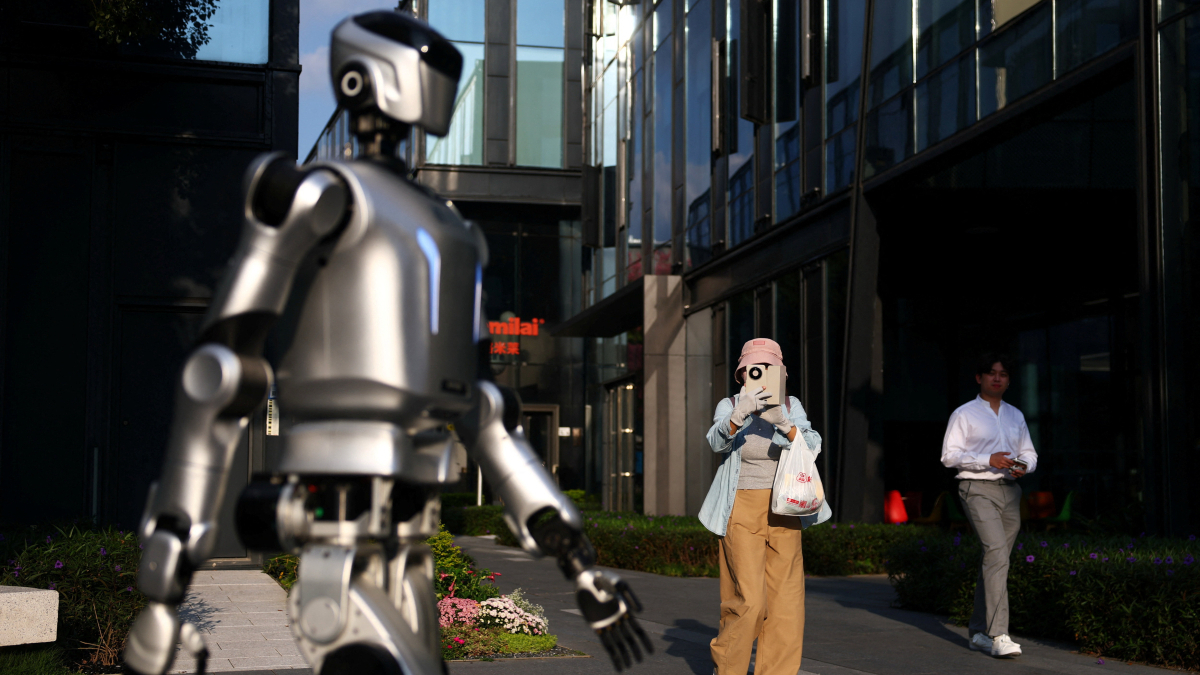
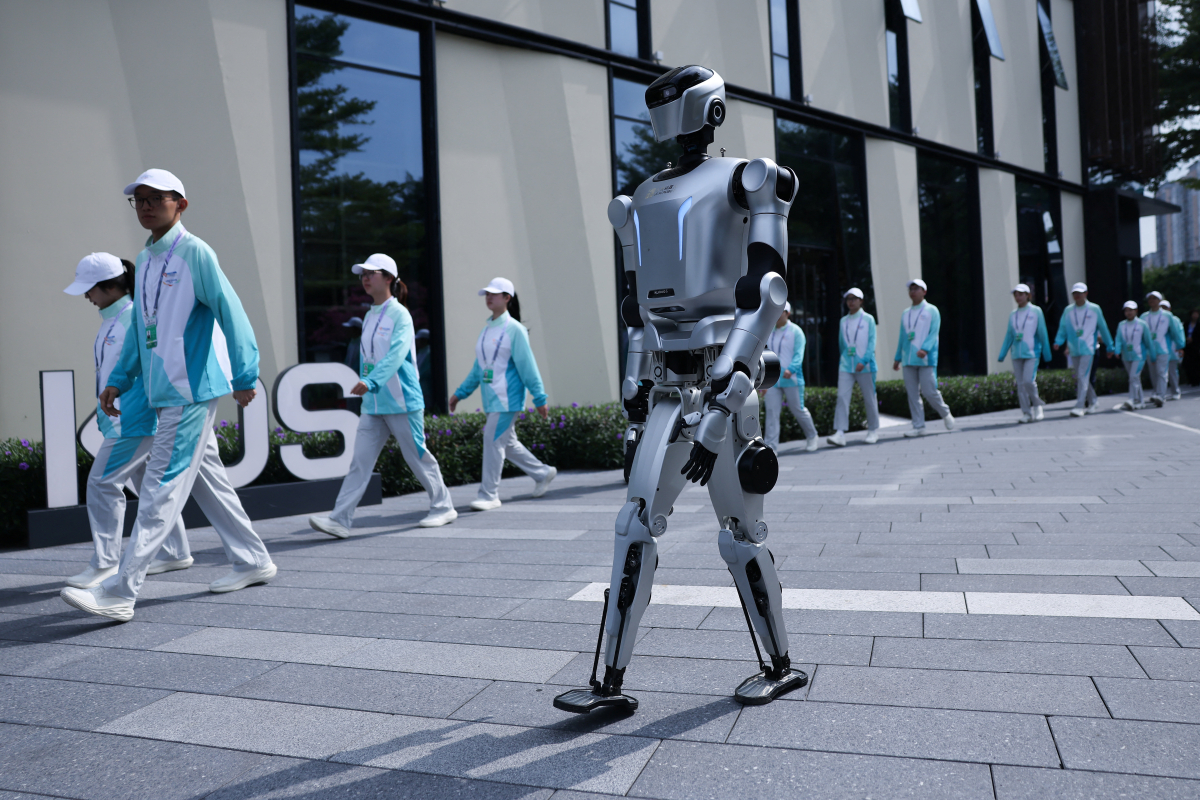
China's market regulator plans to expand its international standard-setting work to large AI models, intelligent agents and embodied intelligence, which includes systems that interact with the physical world through robots.
The next stages will involve technical discussions and efforts to secure international agreement before the proposed standards can be finalised.
The challenge will be turning those standards into effective safeguards without stifling innovation.
The outcome could shape how future AI systems are tested and deployed, as well as how accountability is enforced across borders.
Read more:
















What is your opinion on this topic?
Leave the first comment