When daylight disappears: Inside 12 August's rare solar eclipse
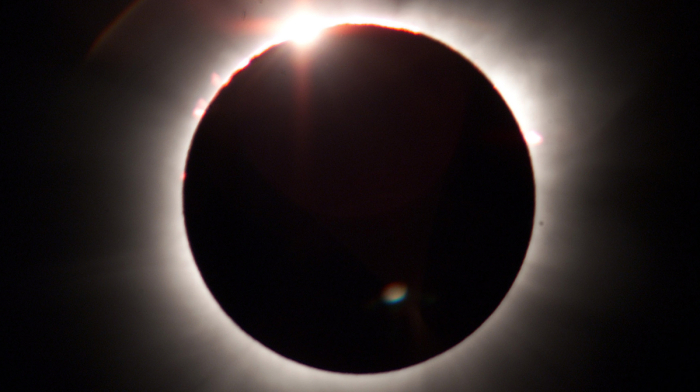
Parts of Europe and the Arctic will briefly fall into darkness on Wednesday, 12 August, as the Moon passes between Earth and the Sun in a total solar eclipse.
Scientists say the accidental crash of a discarded SpaceX rocket stage into the moon has provided valuable data on impact cratering while posing no threat to Earth or lunar hardware.
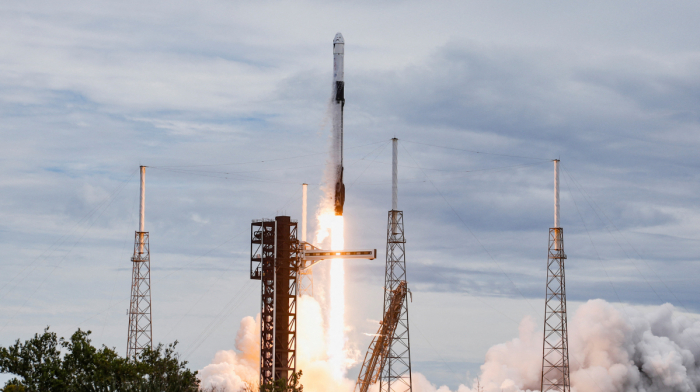
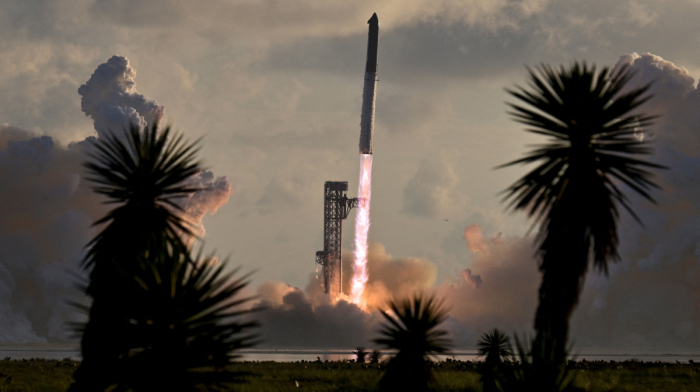
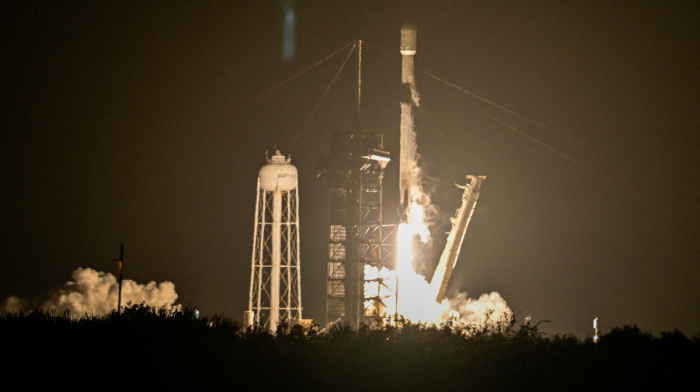
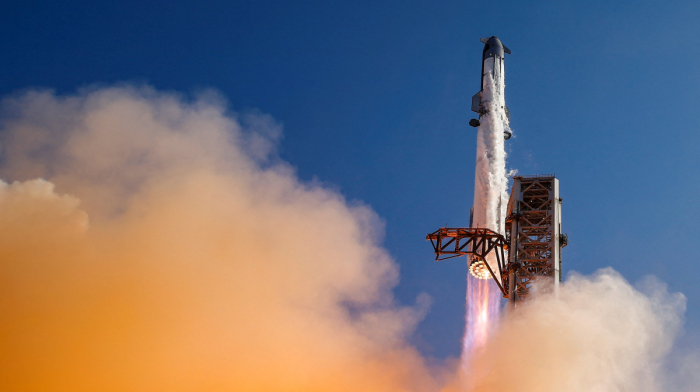
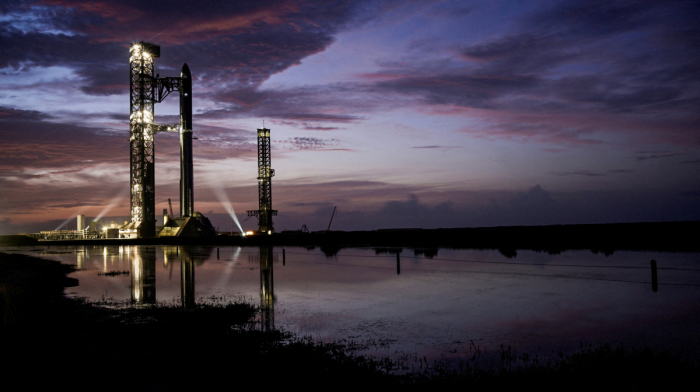
SpaceX successfully launched its Starship megarocket on its 13th flight test Friday, deploying 20 next-generation Starlink V3 satellites and completing a soft splashdown of the spacecraft in the Indian Ocean.
Scientists have identified a planetary system in the Milky Way unlike anything seen before, leaving astronomers debating how to classify one of its unusual worlds. The discovery challenges long-held definitions of planets, moons and stars.
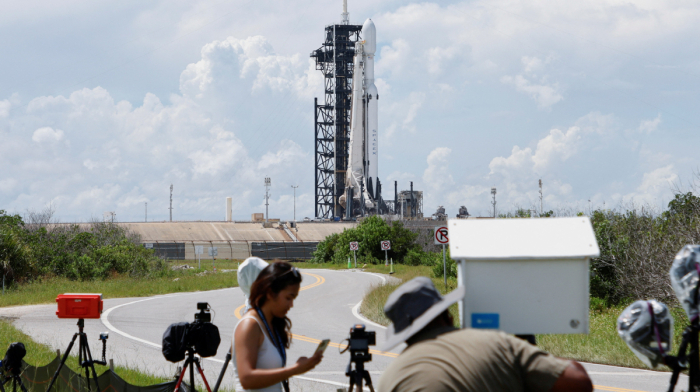
SpaceX's Starship rocket aborted its 13th flight test just seconds before liftoff in Texas on Thursday after some of its 33 engines failed to start. CEO Elon Musk said the company is likely to make another launch attempt early next week.
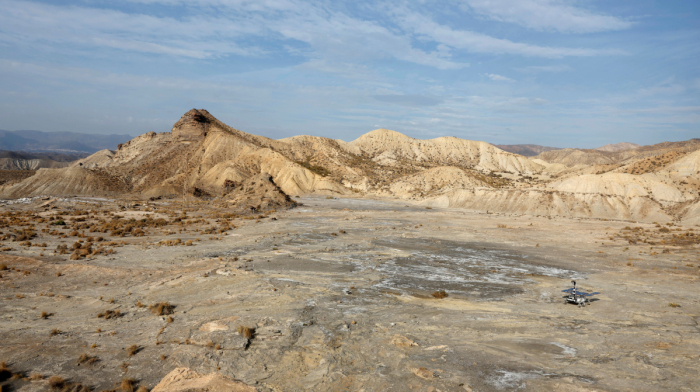
Humanity’s return to the Moon is about far more than planting flags and collecting samples. Under NASA’s Artemis programme, the goal is to establish a lasting human presence, with lunar rovers set to play a vital role in making that vision possible.
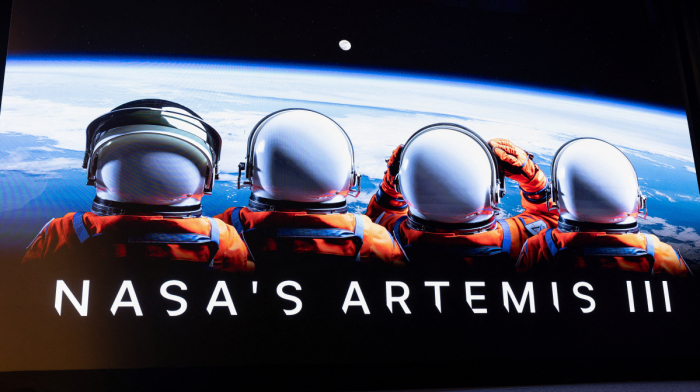
NASA has named three American astronauts and one Italian astronaut to fly on its Artemis III mission, a major orbital test planned for late next year that will evaluate lunar landing vehicles developed by SpaceX and Blue Origin.
Five astronauts aboard the International Space Station (ISS) were instructed to take shelter and prepare for a possible evacuation on Friday after an air leak in the Russian segment of the orbital outpost worsened, according to NASA.
NASA has revealed the next phase of its plan to build a permanent base on the Moon, outlining the vehicles, robotic landers and hopping drones it intends to send as part of the project.
China will send an astronaut to its space station on Sunday for a one-year mission, the longest duration for the country so far. The mission will help study long-duration human physiology in space as China works toward a crewed Moon landing by 2030.
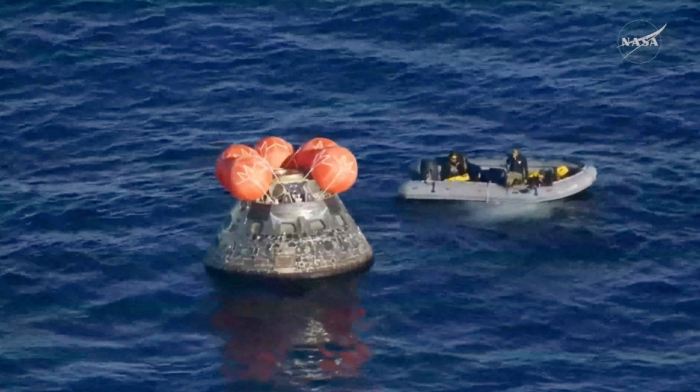
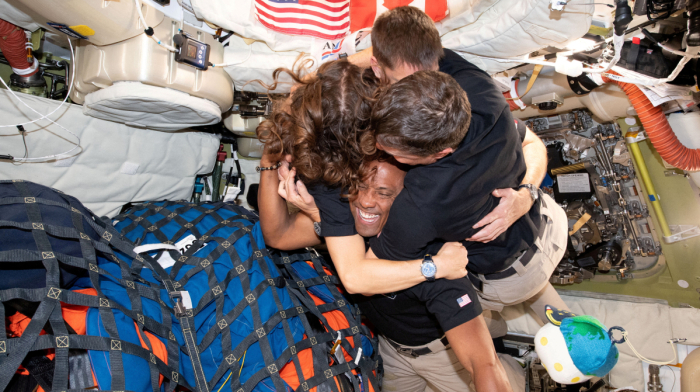
NASA’s Artemis II crew has returned safely to Earth after completing a landmark journey around the Moon, marking the first crewed lunar mission in more than half a century.
The crew of NASA’s Artemis II mission are preparing to return to Earth after completing a groundbreaking journey around the Moon, with a Pacific Ocean splashdown expected off the coast of San Diego at around 01:00 BST (12:00 GMT).
Astronauts aboard Artemis II have described the emotional toll of their historic journey as they prepare for a high-risk “fireball” re-entry. The crew is set to splash down off California on Friday (10 April) after travelling farther than any humans in history.
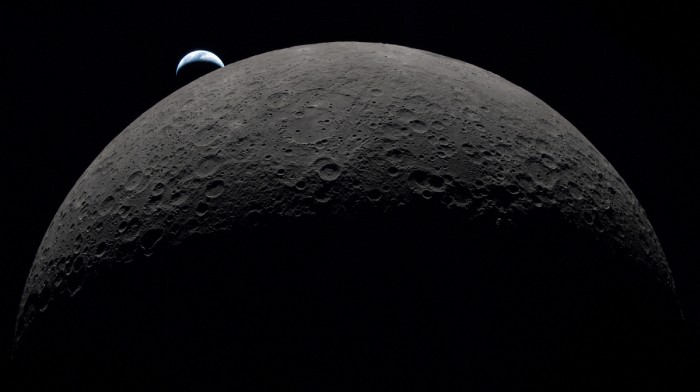
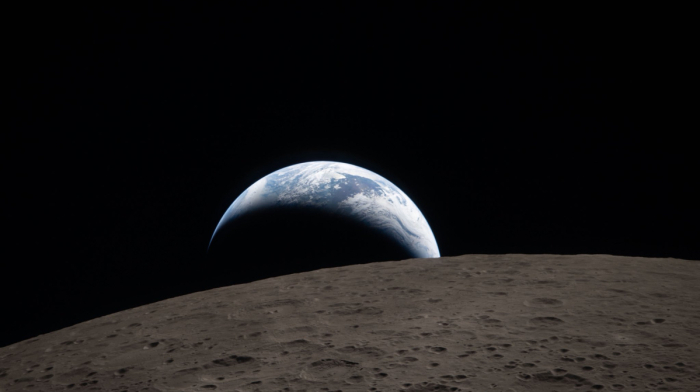
The four astronauts aboard Artemis II briefly lost contact with Earth while flying behind the Moon, then regained it during a dramatic lunar far-side flyby.
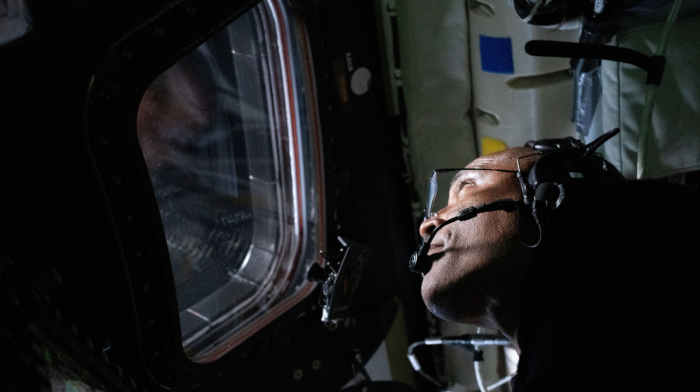
The crew of Artemis II mission are entering a pivotal phase of their journey, as they prepare to swing around the Moon and head back towards Earth. Now on the fifth day of their 10-day mission, the four astronauts are already witnessing views no human has ever seen.
The 4-person crew in the Orion capsule on NASA's Artemis II space shuttle carried out a key thruster firing on Thursday, sending the ship past the main orbit of the Earth towards the moon, in the hope of beating Apollo 13's distance in 1970, as they took pictures using phones and cameras.
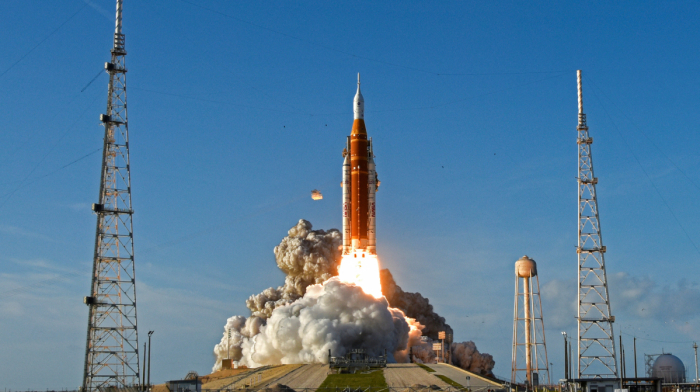
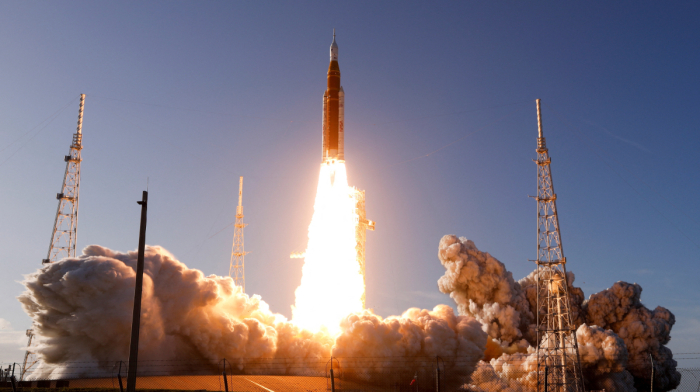
Four astronauts blasted off from Florida on Wednesday on NASA's Artemis II mission, a high-stakes voyage around the moon that marks the United States' boldest step yet toward returning humans to the lunar surface later this decade in a race with China.
NASA is preparing to launch Artemis II with four astronauts on a roughly 10-day mission around the Moon, marking its most ambitious human spaceflight in decades and a key step towards returning astronauts to the lunar surface ahead of China.
NASA is aiming to launch its Artemis 2 mission on Wednesday (1 April), sending astronauts on a 10-day journey around the Moon, officials confirmed. According to the Space Administration, the launch window is due to open at 23:24 GMT, with additional opportunities to 6 April if delays occur.
The four astronauts selected for NASA’s Artemis II mission have arrived in Florida, entering the final phase of preparations for the first crewed journey towards the Moon in more than five decades
NASA announced on Tuesday it has cancelled plans to deploy a space station in lunar orbit and will instead use components from the project to build a $20 billion base on the moon's surface, while also planning to send a nuclear-powered spacecraft to Mars.
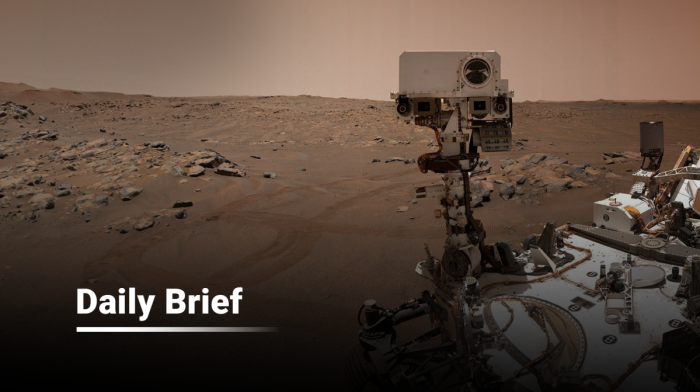
NASA’s Perseverance rover has detected what scientists believe may be the underground remains of an ancient river delta on Mars, offering some of the strongest evidence yet that water once flowed across the planet’s surface billions of years ago.
A technical fault in the helium system of NASA’s next-generation Moon rocket was announced on Saturday, ruling out the planned March launch window for the Artemis II mission.
NASA successfully completed a critical fueling rehearsal on Thursday (19 February) for its giant moon rocket, Artemis II, after earlier hydrogen leaks disrupted preparations for the next crewed lunar mission. The launch is scheduled for 6 March, according to the latest information from NASA.
You can download the AnewZ application from Play Store and the App Store.