From cotton fields to global markets: How Uzbekistan is building a textile industry
For decades, Uzbekistan’s cotton industry was primarily associated with the production and harvesting of ...
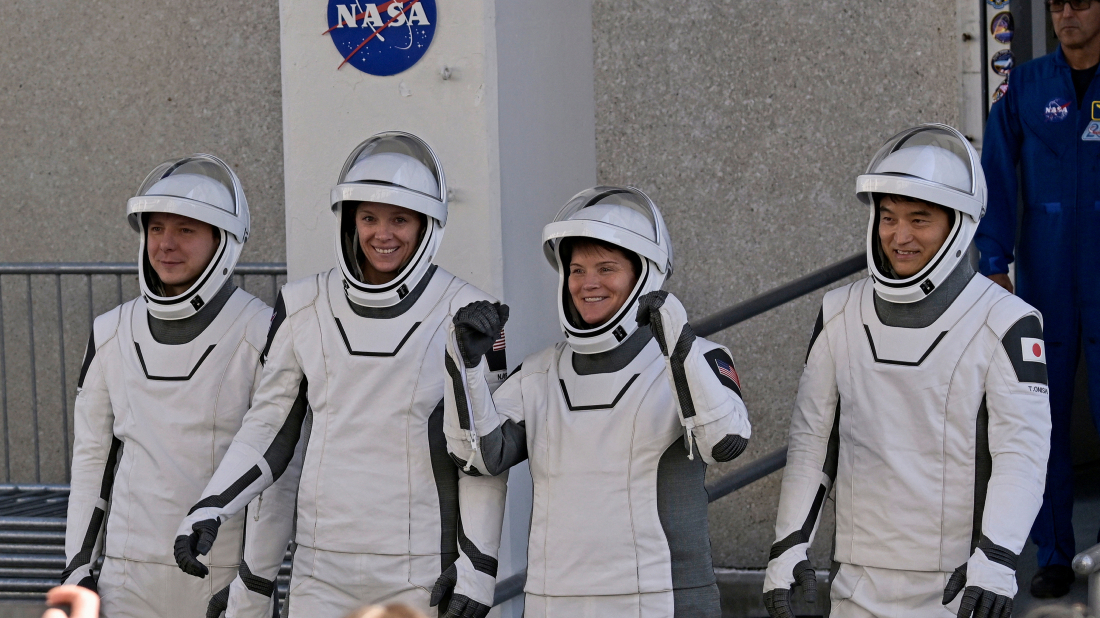
NASA is set to launch a SpaceX rocket from Florida on Wednesday, sending a replacement crew to the International Space Station (ISS) while preparing to bring home two U.S. astronauts stranded in space for nine months after Boeing’s Starliner faced technical issues.
NASA has advanced the timeline of the mission after U.S. President Donald Trump and his adviser Elon Musk pushed for the early return of astronauts Butch Wilmore and Suni Williams. The two were originally scheduled to return in late March, but concerns over their prolonged stay led NASA to prioritize their retrieval.
The SpaceX Falcon 9 rocket, carrying four astronauts—two from NASA, one from Japan, and one from Russia—is set to lift off from Kennedy Space Center at 7:48 p.m. ET (2348 GMT). Once the new crew arrives, Wilmore and Williams, along with two other ISS members, will return to Earth aboard a SpaceX Crew Dragon capsule attached to the station since September.
Wilmore and Williams arrived at the ISS in June as part of a test mission on Boeing’s Starliner, which encountered propulsion system failures, making it unsafe for their return. NASA’s decision to abandon the Starliner capsule for this return highlights Boeing’s ongoing struggles with the $4.5 billion Starliner program, which has been delayed by technical issues and cost overruns.
The return flight is expected on Sunday or Monday, marking the end of an unintended extended mission for Wilmore and Williams. Meanwhile, NASA continues to evaluate Boeing’s readiness for future missions as SpaceX remains the primary transport provider for ISS crews.

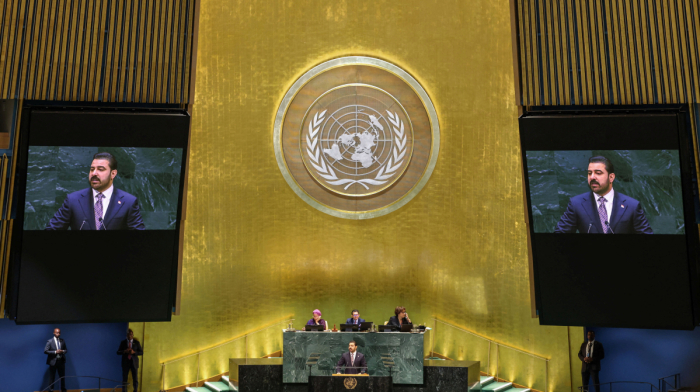
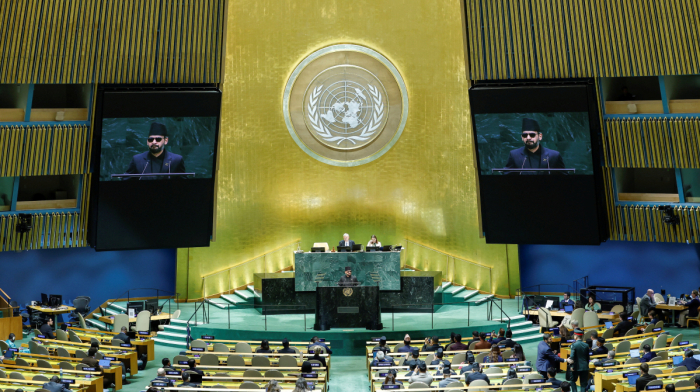
Leaders from around the world are gathering in New York for the latest session of the United Nations General Assembly, with conflicts in Ukraine and the Middle East, global security, trade, artificial intelligence, climate change and economic development dominating the agenda.
World leaders return to the United Nations headquarters in New York on Friday for the fourth day of the high-level General Debate, with speeches and diplomatic meetings continuing throughout the day.
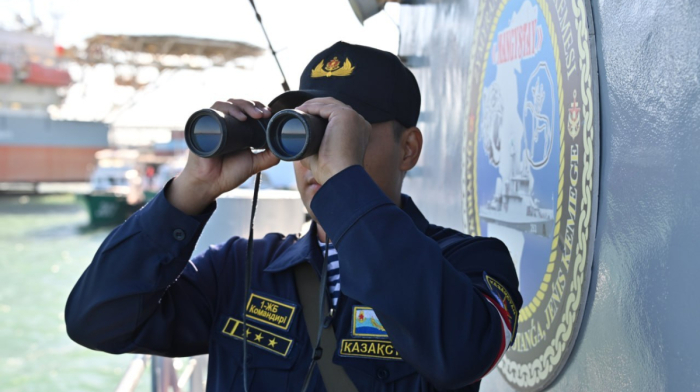
Fourteen Kazakh military personnel died after being swept out to sea during a naval training exercise in the western Mangistau region, authorities said on Thursday.
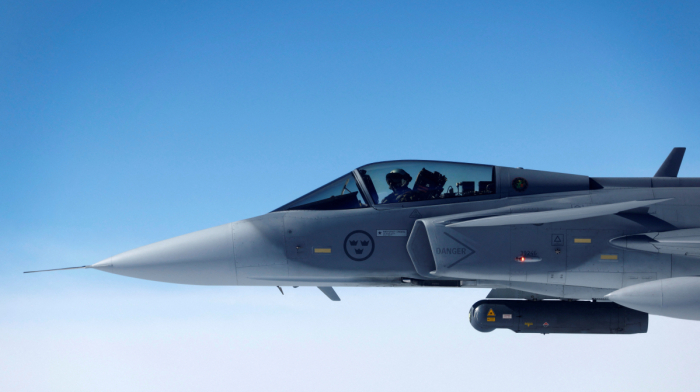
Finland and Sweden deployed fighter aircraft on Thursday after a group of Russian military planes was detected over the Gulf of Finland, the Finnish Air Force reported on Friday (25 September).
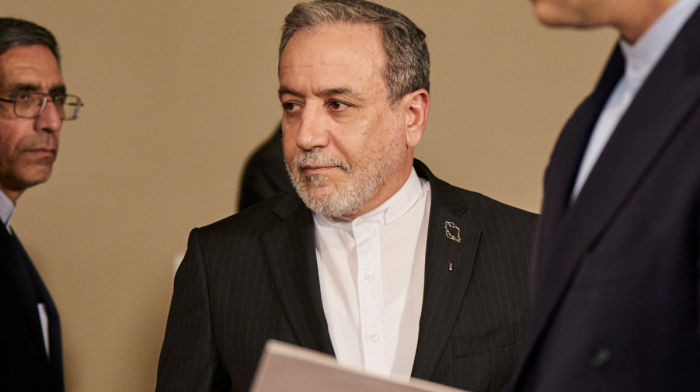
Iran on Saturday awaited a U.S. response to its proposal to reopen the Strait of Hormuz and end fighting in the Middle East war after the Wall Street Journal reported that President Donald Trump had rejected the deal.
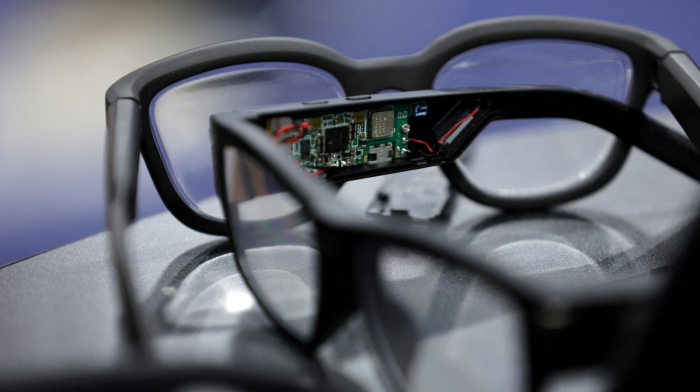
Meta has unveiled a new generation of wearables, including lightweight virtual reality glasses and camera-free smart spectacles, as it pushes AI-powered devices further into the mainstream while seeking to address privacy concerns.
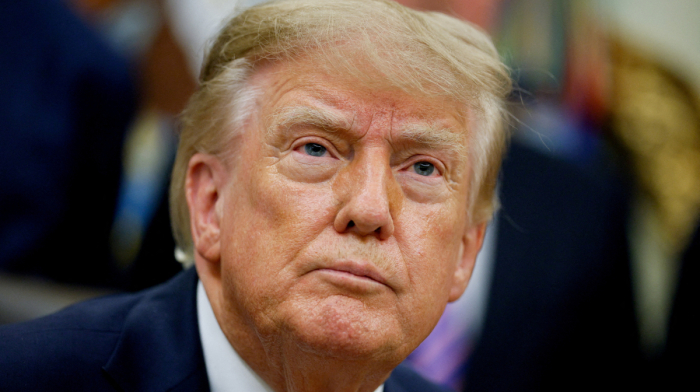
U.S. President Donald Trump announced on Saturday (19 September) the creation of an “AI Force” and plans to appoint an artificial intelligence (AI) czar, while rejecting calls to slow the development of increasingly powerful AI systems.
Google’s Gemini AI model accessed the internet and hacked three companies during a cybersecurity test, in what is believed to be the first known case of the company’s AI systems autonomously carrying out such activity.
Here's your AnewZ Daily Brief for 18 September 2026. These are the top five stories making headlines in the field of science.
French prosecutors have launched a criminal investigation into suspected sexual harassment involving smart glasses, amid mounting global concern over the privacy risks posed by the devices.
You can download the AnewZ application from Play Store and the App Store.
What is your opinion on this topic?
Leave the first comment