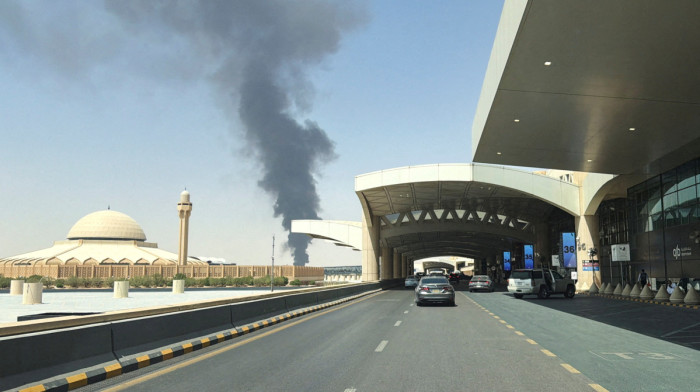
live Four injured by drones near Dubai Airport - Wednesday 11th March
Four people have sustained varying degrees of injuries after two drones fell near Dubai's International Airport on Wednesday, as Iran and Israe...
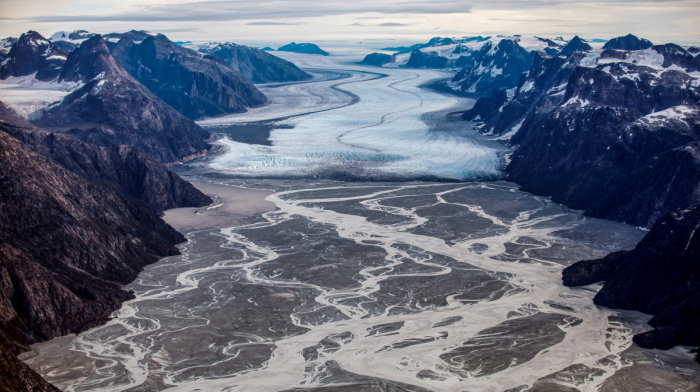
NASA reported that global sea levels rose by 0.23 inches (0.59 cm) in 2024, exceeding the projected 0.17 inches.
A NASA-led analysis found that this increase was primarily driven by thermal expansion, a process where ocean water expands as it warms. This marks a shift from previous years when the majority of sea level rise was attributed to melting glaciers and ice sheets.
In 2024, however, two-thirds of the increase came from thermal expansion, highlighting the impact of record-breaking global temperatures.
According to NASA, 2024 was the warmest year on record, with Earth’s average surface temperature reaching 1.28°C (2.3°F) above the agency’s 20th-century baseline. As a result, ocean levels have now reached their highest point in three decades.
Nadya Vinogradova Shiffer, director of physical oceanography programs at NASA, emphasized the connection between rising global temperatures and increasing sea levels, stating that the ocean is responding to the planet’s warming.
Josh Willis, a sea level researcher at NASA’s Jet Propulsion Laboratory, warned that the pace of sea level rise is accelerating. “The rise we saw in 2024 was higher than we expected,” he said.
“The ocean continues to rise, and the rate is getting faster and faster.” This trend underscores growing concerns about the long-term impacts of climate change on coastal communities and global ecosystems.

Tensions in the region remained high on Tuesday (10 March), as the United States and Iran exchanged increasingly sharp warnings, including threats over the strategic Strait of Hormuz, a critical artery for global oil supplies.
China has urged Afghanistan and Pakistan to resolve their dispute through dialogue after Chinese envoy Yue Xiaoyong met Afghan Foreign Minister Amir Khan Muttaqi, as fighting between the two neighbours entered its eleventh day.
Kazakhstan has evacuated more than 7,300 citizens from the Middle East since regional tensions escalated, using both air and land routes to bring nationals home while closely monitoring political developments and potential economic effects linked to rising oil prices.
Almost 2,000 people have been evacuated from Iran via Azerbaijan since conflict erupted in the Middle East.
Norwegian police are searching for a suspect after an explosion at the U.S. embassy in Oslo on 8 March caused minor damage but no injuries, in what authorities say may have been a deliberate attack linked to the Middle East crisis.
The death toll from heavy rains and flooding in Brazil’s Minas Gerais state has risen to 46, authorities said, with 21 people still reported missing. The storms triggered landslides and widespread flooding, displacing thousands across Juiz de Fora and Uba.
The administration of U.S. President Donald Trump on Thursday (12 February) announced the repeal of a scientific finding that greenhouse gas emissions endanger human health, and eliminated federal tailpipe emissions standards for cars and trucks.
Tropical Cyclone Gezani has killed at least 31 people and left four others missing after tearing through eastern Madagascar, the government said on Wednesday, with the island nation’s second-largest city bearing the brunt of the destruction.
Rivers and reservoirs across Spain and Portugal were on the verge of overflowing on Wednesday as a new weather front pounded the Iberian peninsula, compounding damage from last week's Storm Kristin.
Morocco has evacuated more than 100,000 people from four provinces after heavy rainfall triggered flash floods across several northern regions, the Interior Ministry said on Wednesday.
You can download the AnewZ application from Play Store and the App Store.
What is your opinion on this topic?
Leave the first comment