Inside Shusha prison: A journalist’s account of alleged torture
A new AnewZ documentary, Inside Shusha prison, highlights what is considered one of the most dreadful prisons during both the Russian Empire and the S...
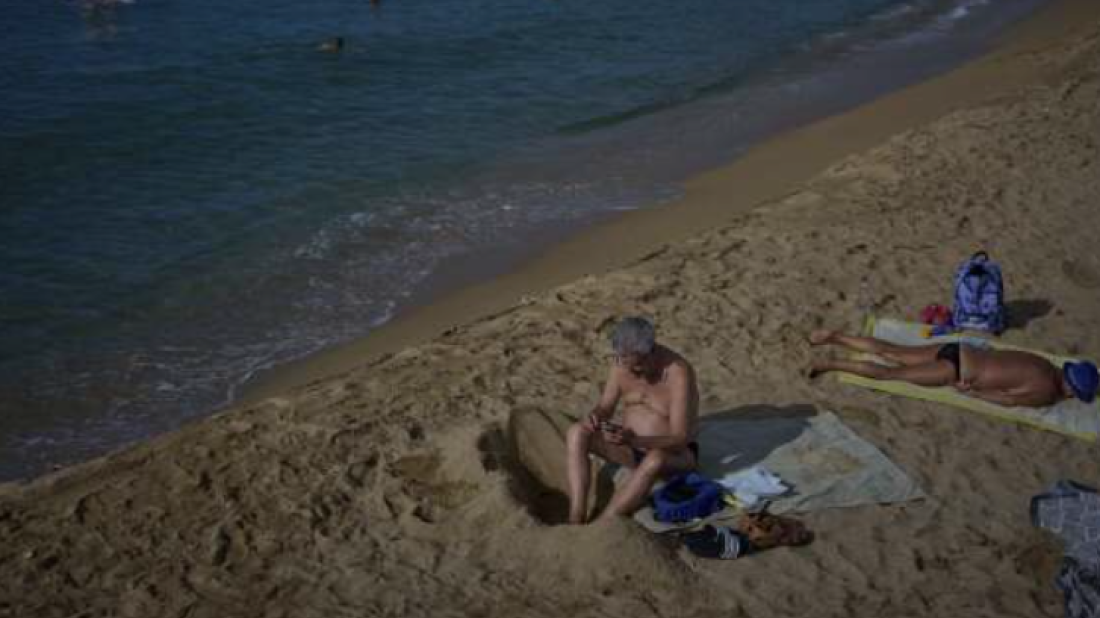
Storms and rising seas are washing away Barcelona’s man-made beaches, putting tourism and coastal life at risk, according to residents in the area. In Montgat, locals say their summers by the sea are vanishing.
The coastline around Barcelona is retreating fast according to those who live nearby — particularly in areas such as Montgat, a small beach town just 30 minutes from the city.
Ana García, who spends summers there with her daughter, fears their seaside tradition could soon end.
“Clearly, this is worrying,” García said. “Because it’s increasing more and more, and shows no signs of stopping. Our coexistence with the sea here is in danger.”
Powerful storms and rising sea levels are eroding artificial beaches that helped turn the area into a major tourist hub. Compared to natural coastlines, these man-made beaches erode quickly.
The damage is especially severe during autumn and winter storms known as DANA, with waves reaching up to 5 metres.
Local officials and scientists warn that the situation is becoming dire. They've said that simply adding sand no longer works structural interventions such as breakwaters are needed to slow the loss.
Montgat’s mayor calls beaches 'the last democratic space,' stressing their role in local life. But with just a third of the beach remaining and vital infrastructure such as train lines now at risk, the urgency is growing.
An estimated €60 million is needed to protect 42 kilometres of metropolitan coastline, and locals fear time is running out.

Start your day informed with AnewZ Morning Brief. Here are the top news stories for the 5th of August, covering the latest developments.
U.S. President Donald Trump said there was an "all-day negotiation" on Tuesday with Iran, characterising the talks positively while also threatening to hit Iran "really hard" if a deal was not reached.
Shipping traffic through the Strait of Hormuz and the Bab el-Mandeb Strait, two key maritime chokepoints in the region, decreased significantly from the previous day, according to shipping data.
Kazakhstan’s main oil export corridor was disrupted by drone strikes near Russia’s Black Sea coast in July, forcing a temporary suspension of crude loadings and raising fresh concerns over the vulnerability of regional energy infrastructure to the war in Ukraine.
Start your day informed with AnewZ Morning Brief. Here are the top news stories for the 6th of August, covering the latest developments.
Flash floods in Gansu Province in China's northwest last week killed 25 people and injured 23 more, the official Xinhua news agency reported on Sunday, raising earlier death tolls.
Three firefighters have died as wildfires continue to burn across Greece, with Crete facing a second day of intense blazes driven by strong winds. The fires come as Europe battles destructive wildfires fuelled by extreme heat and drought.
An impending "super" El Niño is likely to inflict a combined $10 billion to $20 billion hit on affected African countries and trigger mass migration from hard-hit areas, the African Development Bank's (AfDB) top climate expert said.
Brazil has banned the production and sale of foie gras, the French delicacy made from fattened duck or goose liver. President Luiz Inacio Lula da Silva signed a law late Thursday aimed at ending force-feeding in the country's foie gras industry and stopping imports.
At least 82 people have died after heavy rain triggered devastating floods across northeastern India, Pakistan and Afghanistan this week, with widespread damage to homes, farmland and infrastructure.
You can download the AnewZ application from Play Store and the App Store.
What is your opinion on this topic?
Leave the first comment