Pentagon official says U.S. war in Iran has cost $25 billion so far
A Pentagon official provided the first official estimate of the cost of the U.S. war in Iran on Wednesday (29 April), telling lawmakers that $25 bi...
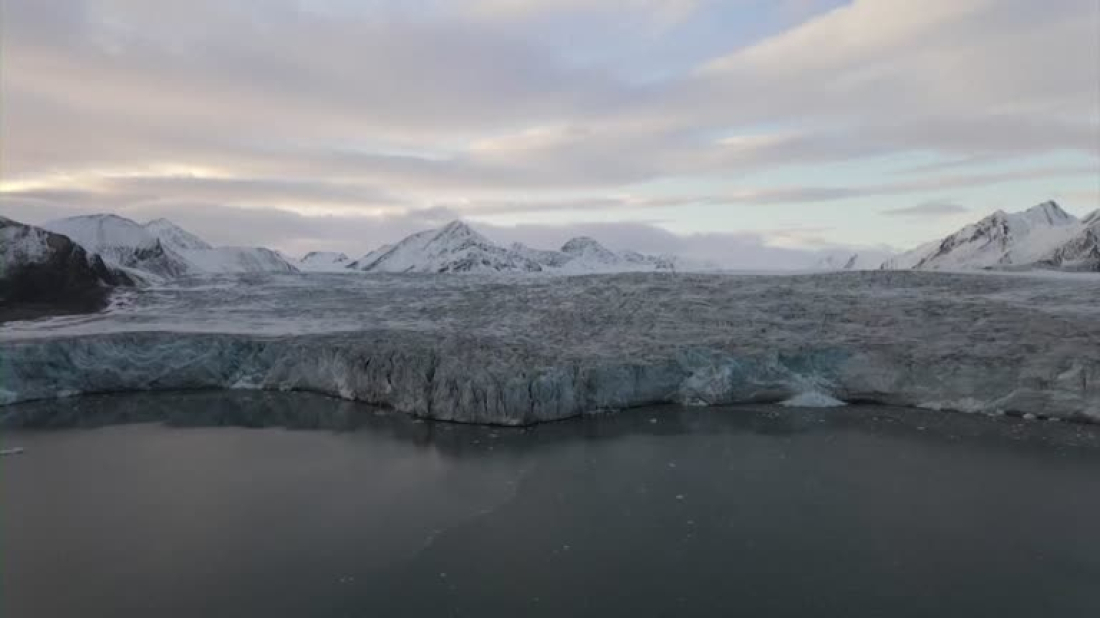
Juneau, Alaska, is on high alert as floodwaters from the Mendenhall Glacier threaten to reach record levels, forcing residents in vulnerable areas to evacuate immediately.
The surge is driven by snowmelt and rainwater collecting in Suicide Basin, a depression left by a retreating glacier, which then pushes water through or around the ice dam into Mendenhall Lake and down the Mendenhall River.
Some residents in flood-prone zones have already left their homes. Officials expect this year's flood levels to surpass past records, reaching between 16.3 and 16.8 ft, exceeding last year’s 15.99 ft crest.
"This will be a new record, based on all of the information that we have," National Weather Service meteorologist Nicole Ferrin told a news conference.
Temporary barriers have been installed, but experts warn that the situation is serious.
Scientists link the flooding to glacier retreat caused by global warming, highlighting the growing impact of climate change on Alaska’s waterways.

A Pentagon official provided the first official estimate of the cost of the U.S. war in Iran on Wednesday (29 April), telling lawmakers that $25 billion had so far been spent on the conflict, most of it on munitions. Earlier, Donald Trump said that the U.S. had "militarily defeated" Tehran.
President Donald Trump said on Sunday Iran could telephone if it wants to negotiate an end to their two-month war. Tehran said the U.S. should remove obstacles to a deal, including its blockade of Iran's ports. Meanwhile Iranian Foreign Minister Abbas Araghchi arrives in St Petersburg for talks.
Tensions between the United States and Iran remain high after a U.S. official said President Donald Trump was unhappy with a proposal from Tehran that does not deal with its nuclear programme. Washington is insisting that any talks must address Iran’s nuclear activities.
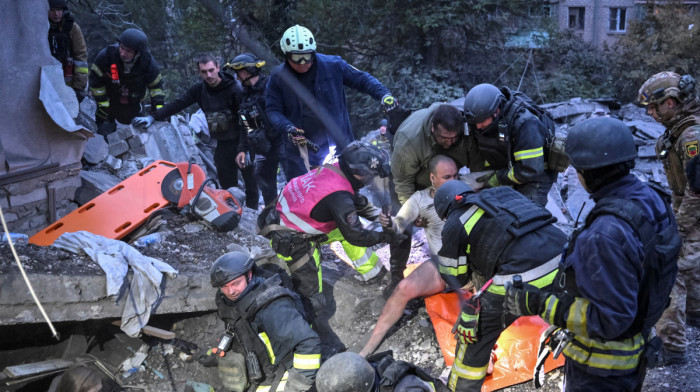
The death toll from a train collision near Indonesia’s capital Jakarta rose to 14 women on Tuesday (28 April), with 84 people injured, after rescuers completed efforts to free passengers trapped in the wreckage, the state rail operator said.
The decision by the United Arab Emirates to leave OPEC+ on 1 May has put renewed focus on one of the most influential groups in global energy - and how its decisions can shape oil prices worldwide.
Kazakhstan has ratified a regional green energy agreement with Azerbaijan and Uzbekistan, signalling Central Asia’s ambition to become a key supplier of renewable energy to international markets.
China’s growing use of electric and hydrogen-powered vehicles took centre stage at the Beijing Auto Show 2026, which opened on 24 April, highlighting the country’s expanding clean transport ambitions.
Global weather forecasters predict a strong El Niño will develop in the second half of 2026, bringing hotter, drier conditions to much of Asia while increasing rainfall in parts of North and South America.
Communities in Mexico have taken to the streets to protest against an ongoing oil spill in the Gulf of Mexico that has killed wildlife and damaged coral reefs over several weeks.
The World Meteorological Organization (WMO) has warned that the Earth’s climate system is becoming increasingly unstable, with new evidence showing a growing imbalance in how the planet absorbs and releases energy.
You can download the AnewZ application from Play Store and the App Store.
What is your opinion on this topic?
Leave the first comment