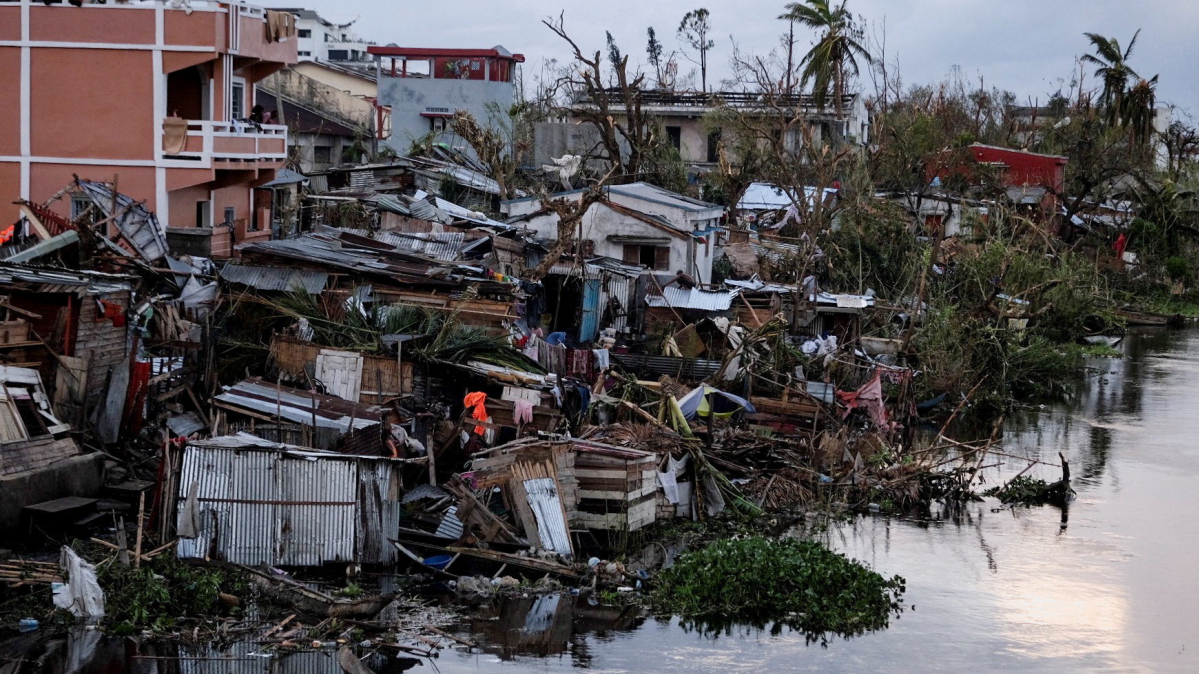
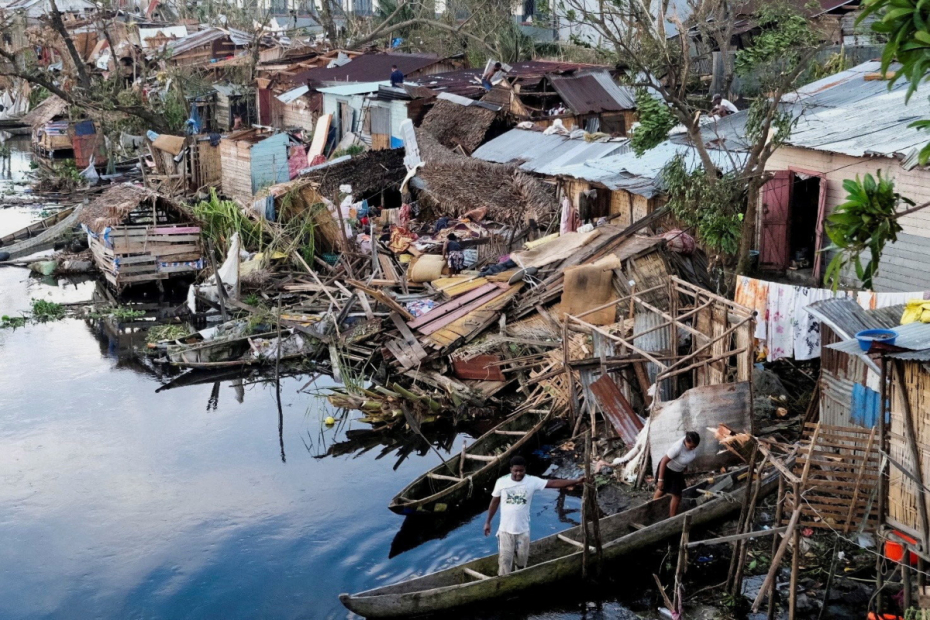
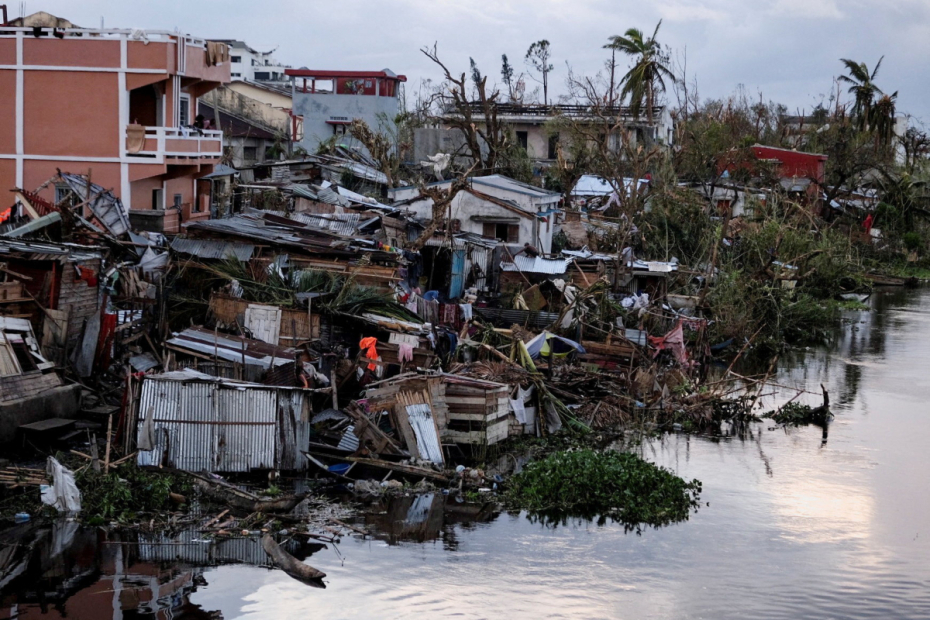
Tropical Cyclone Gezani has killed at least 31 people and left four others missing after tearing through eastern Madagascar, the government said on Wednesday, with the island nation’s second-largest city bearing the brunt of the destruction.
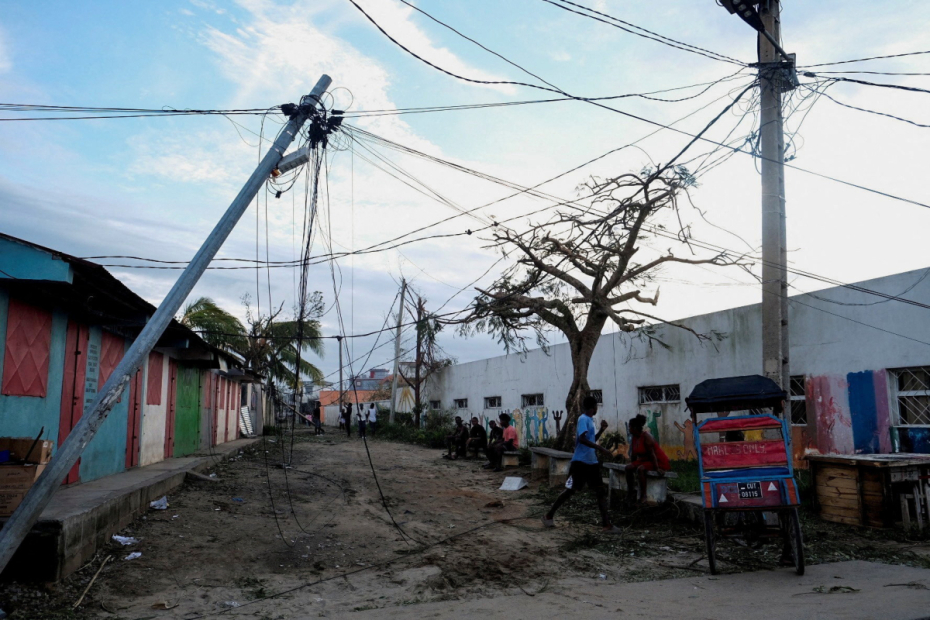
The storm made landfall late Tuesday and brought hurricane-force winds and torrential rains that flattened homes and severed power lines. It is the second major storm to strike the Indian Ocean island in less than two weeks, deepening a humanitarian crisis in a country already grappling with high levels of food insecurity and fragile infrastructure.
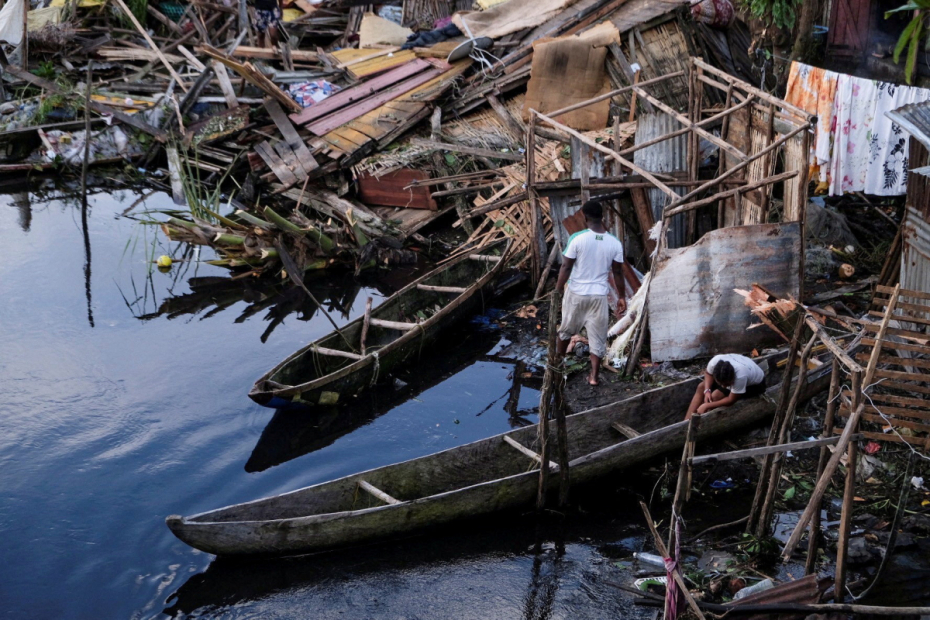
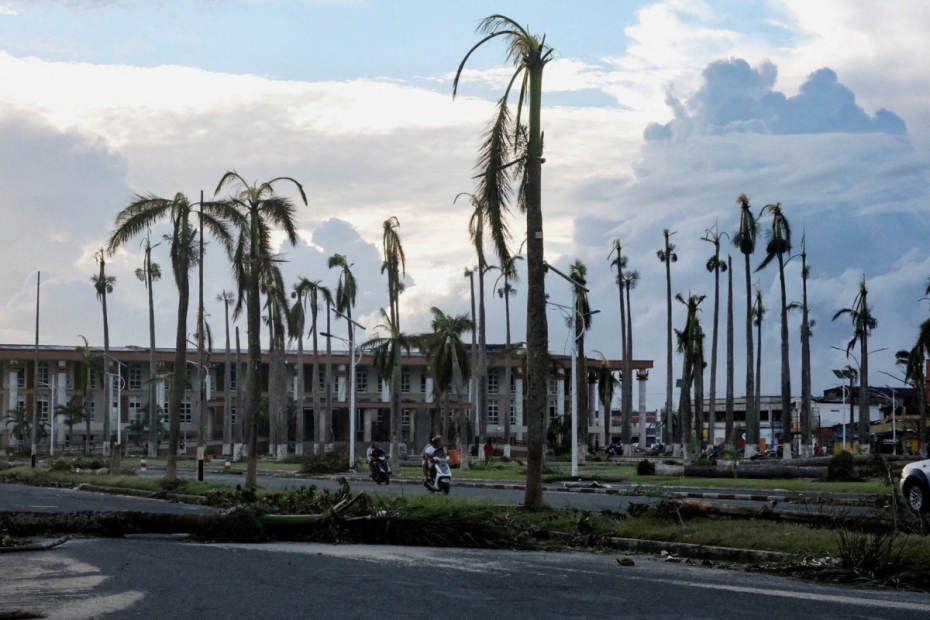
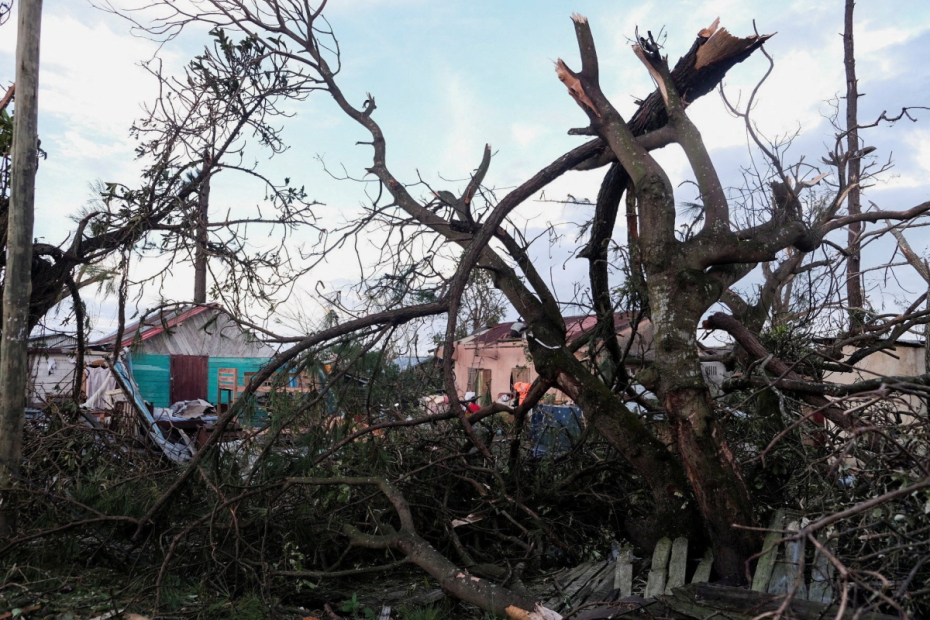
The majority of the casualties were reported in Toamasina, the country's major seaport and commercial hub, where the National Bureau for Risk and Disaster Management (BNGRC) confirmed 29 deaths.
Two additional fatalities were recorded in a neighbouring district.
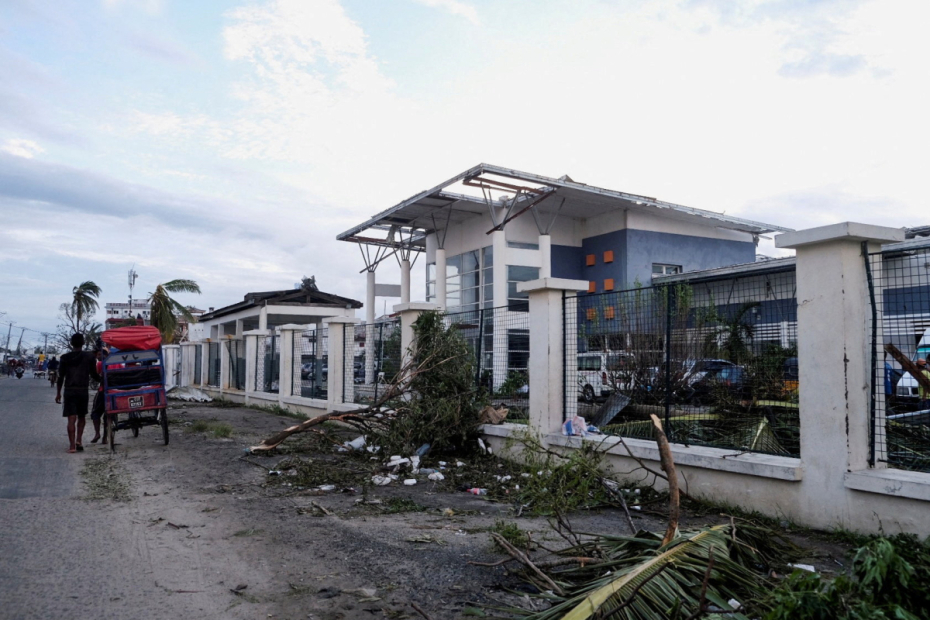
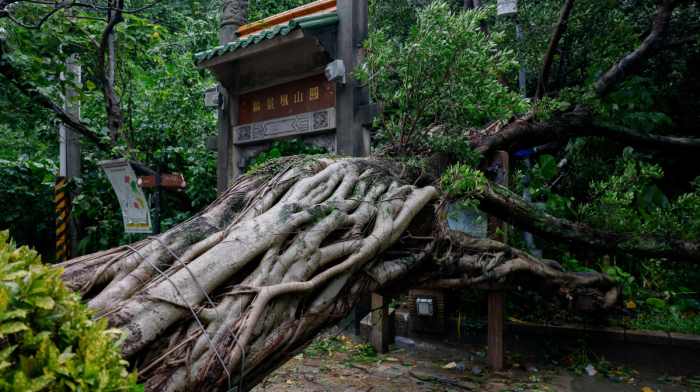
At its peak, Gezani unleashed sustained winds of approximately 185 km per hour (115 mph), with gusts surging to nearly 270 kph (167 mph) - strong enough to rip corrugated metal roofs off concrete buildings and snap century-old trees.
"I have never experienced winds this violent ... The doors and windows are made of metal, but they are being violently shaken," said Harimanga Ranaivo, a resident of Toamasina.
In coastal communities, rising sea levels triggered by the storm surge flooded streets, turning roads into rivers and cutting off access to emergency services.
The BNGRC stated that more than 2,740 residents were evacuated to safety, but the aftermath has left 250,406 people classified as "disaster victims". This classification includes those who have lost homes, crops, or livelihoods.
Officials fear the full extent of the damage in remote rural areas outside the city limits may not be known for several days.
Compounded crisis and relief challenges
The arrival of Gezani comes just 10 days after Tropical Cyclone Fytia struck the same region, killing 14 people and displacing more than 31,000, according to data from the United Nations Office for the Coordination of Humanitarian Affairs (OCHA).
The cumulative effect of back-to-back storms has overwhelmed local coping mechanisms. Aid agencies warn that the destruction of rice fields and fruit crops in the severe winds could lead to long-term food shortages in a region where subsistence farming is the primary source of income for millions.
Madagascar is prone to cyclones during the rainy season, which runs from November to April, but scientists say climate change is making these storms more frequent and intense. The warming of the Indian Ocean provides more energy for cyclones, allowing them to intensify rapidly before landfall.
By Wednesday morning, Madagascar's meteorological service reported that Gezani had weakened to a moderate tropical storm as it moved westward inland, roughly 100 km north of the capital, Antananarivo. However, heavy rains continue to pose a threat of landslides in the central highlands.
"Gezani will cross the central highlands from east to west today, before moving out to sea into the Mozambique Channel this evening or tonight," the service said in a bulletin.
Government officials have kept schools shuttered and emergency shelters open as they pivot from rescue operations to assessing the scale of reconstruction needed for the battered port city.


















What is your opinion on this topic?
Leave the first comment