Trump says China agreed to Nuclear risk talks, defends friendship with Putin
U.S. President Donald Trump has said China agreed for the first time to join trilateral talks on reducing nucle...
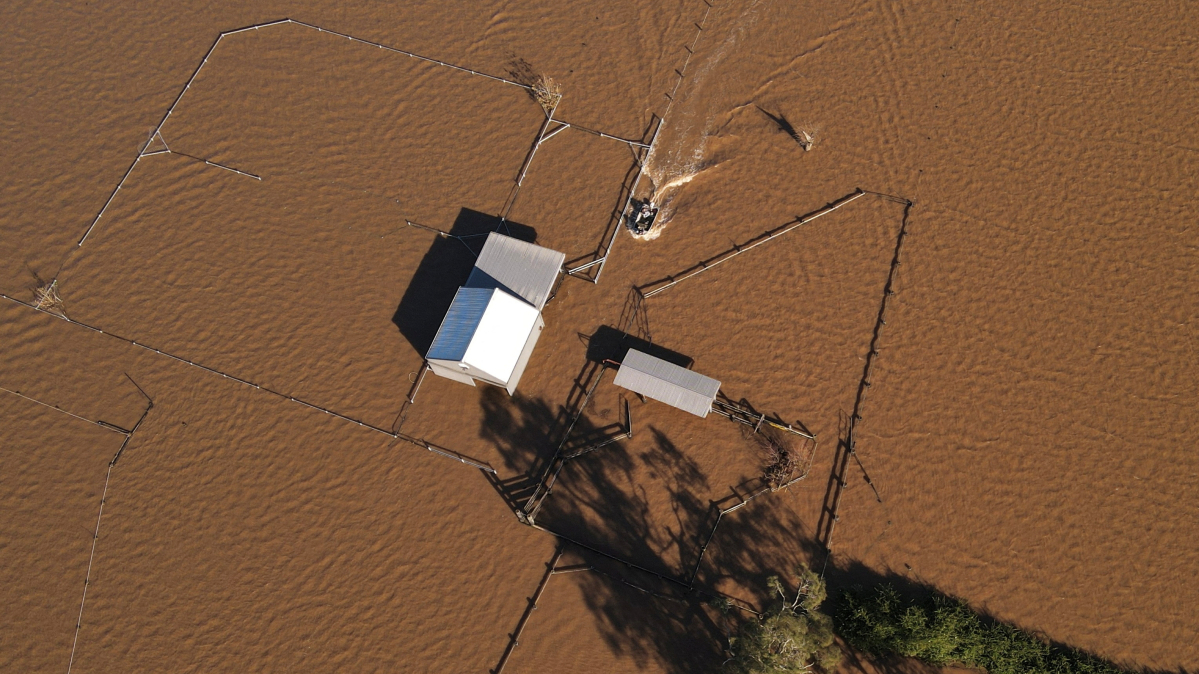
About 15,000 properties were left without electricity in north-east Queensland on Sunday after Tropical Cyclone Koji crossed the coast, bringing heavy rain and destructive winds, state authorities said.
Koji, a category one system, made landfall between the towns of Ayr and Bowen, about 500km north of Brisbane, before weakening into a tropical low, according to Australia’s weather forecaster.
The storm produced wind gusts of up to 95km/h and heavy rainfall, affecting coastal centres including Mackay, a major tourist hub and gateway to the Great Barrier Reef.
Queensland Premier David Crisafulli said the cyclone had damaged homes and boats and forced the closure of several roads.
Some areas recorded up to 200mm of rain overnight, with further heavy downpours forecast over the next 24 to 48 hours.
"There’s the prospect of flooding - Queenslanders will handle that," Crisafulli said in televised remarks.
Earlier, Prime Minister Anthony Albanese warned that flash flooding posed a "major risk" across a large stretch of the state’s coastline.
The weather forecaster said severe conditions were expected to persist through Sunday before easing on Monday.
Queensland has faced a series of severe weather events in recent months, with cyclones and intense rainfall repeatedly disrupting communities, damaging infrastructure and causing widespread power outages across the state.
Koji comes weeks after Cyclone Alfred, a downgraded system that struck Queensland in March, bringing damaging winds and heavy rain and cutting power to hundreds of thousands of properties.
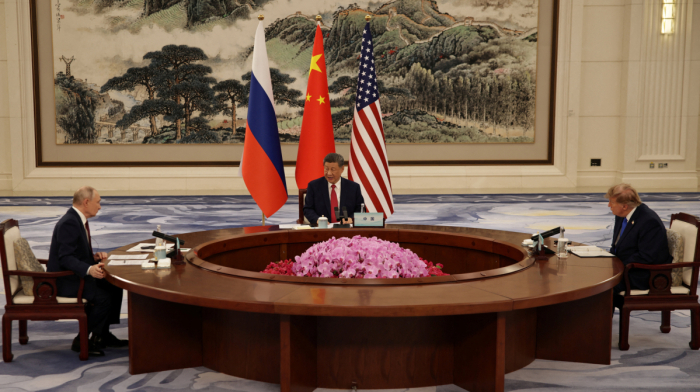
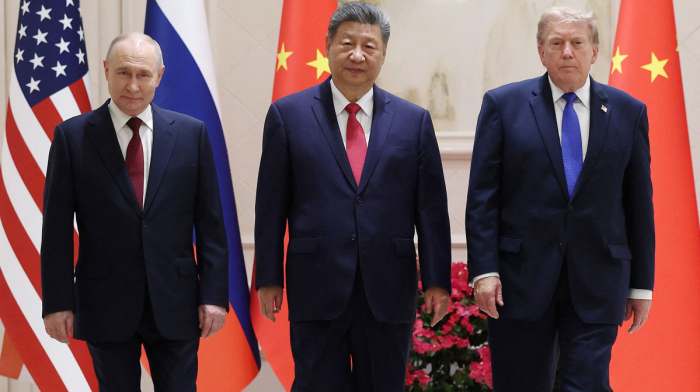
U.S. President Donald Trump, Russian President Vladimir Putin and Chinese President Xi Jinping are holding trilateral talks at the APEC summit in Shenzhen, China, with Ukraine, nuclear arms control and global security on the agenda.
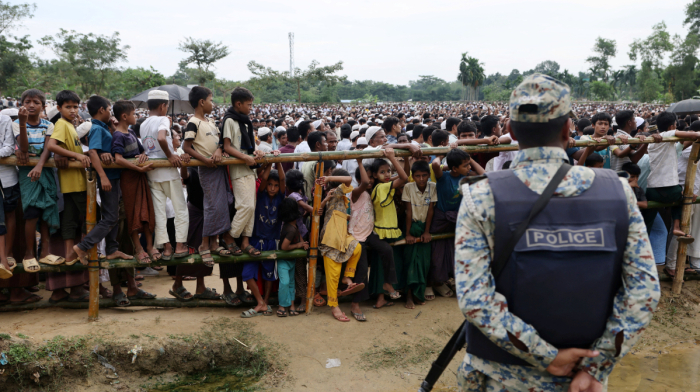
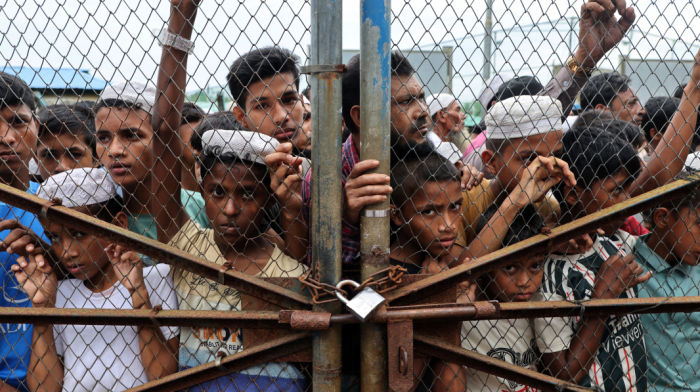
Myanmar's security forces committed genocide against Rohingya Muslims during a brutal military crackdown in 2017 that killed thousands and involved widespread sexual violence, the United Nations' top court ruled on 19 November.
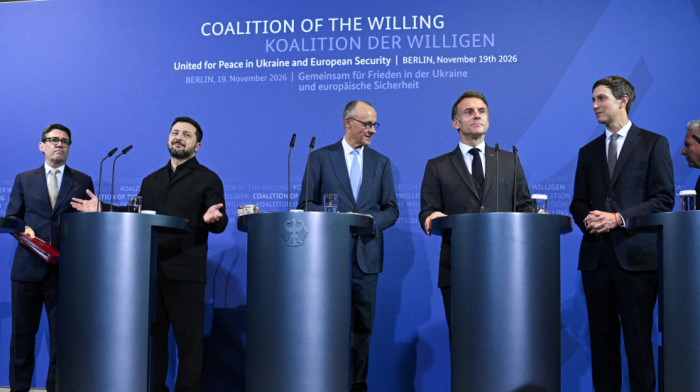
European leaders backing Ukraine met in Berlin on Thursday 19 November and warned that no peace deal should be settled without them.
U.S. President Donald Trump, China's Xi Jinping and Russia's Vladimir Putin have issued a joint “declaration of peace” following historic talks in southern China, but stopped short of committing to nuclear arms reductions or addressing the war in Ukraine in their joint statement.
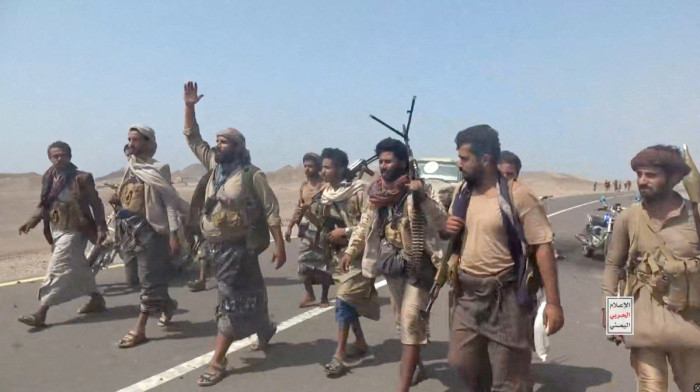
Saudi Arabia is preparing for up to six more months of fighting against Yemen’s Houthis, potentially extending the conflict into spring 2027, Reuters reported, as the kingdom struggles to secure gains on the ground.
U.S. President Donald Trump has said China agreed for the first time to join trilateral talks on reducing nuclear risk at this week’s summit with Russia’s Vladimir Putin and China’s Xi Jinping.
The United Nations' highest court has ruled that Myanmar committed genocide against its Rohingya Muslim minority during a 2017 military crackdown that forced hundreds of thousands to flee their homes.
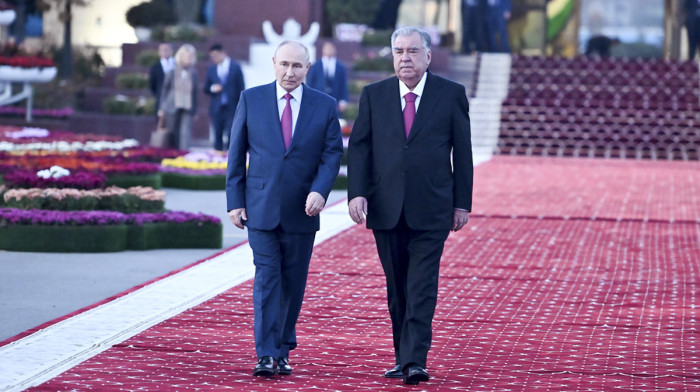
Tajik President Emomali Rahmon and Russian President Vladimir Putin held talks in Dushanbe on 20 November, focusing on labour migration, security along Tajikistan’s border with Afghanistan and the future of Russia’s military presence in the country.
Georgia and Russia have resumed direct official talks, with senior diplomats meeting in Minsk on 19 November to discuss trade, economic cooperation and regional security, despite longstanding tensions between the two countries.
Students and workers took to the streets across Europe on Friday, 20 November, demanding better pay, affordable housing and more funding for education and public services, while protesting against rising military spending.
You can download the AnewZ application from Play Store and the App Store.
What is your opinion on this topic?
Leave the first comment