The United Nations has warned that tropical cyclones occurring close to the Equator are rare, and when they do strike, their impacts are magnified due to limited local experience in coping with severe storms.
WMO spokesperson Clare Nullis said: “Tropical cyclones are rare so close to the Equator… it means the impacts are magnified because local communities have got no experience in this.” She highlighted that record-breaking rainfall is increasing the risk of catastrophic flooding.
“One meteorological station in central Vietnam recorded a national 24-hour rainfall record of 1,739 millimetres,” Nullis said. “That is the second-highest known total anywhere in the world for 24-hour rainfall.” She added that rising temperatures increase the potential for extreme rainfall because a warmer atmosphere holds more moisture.
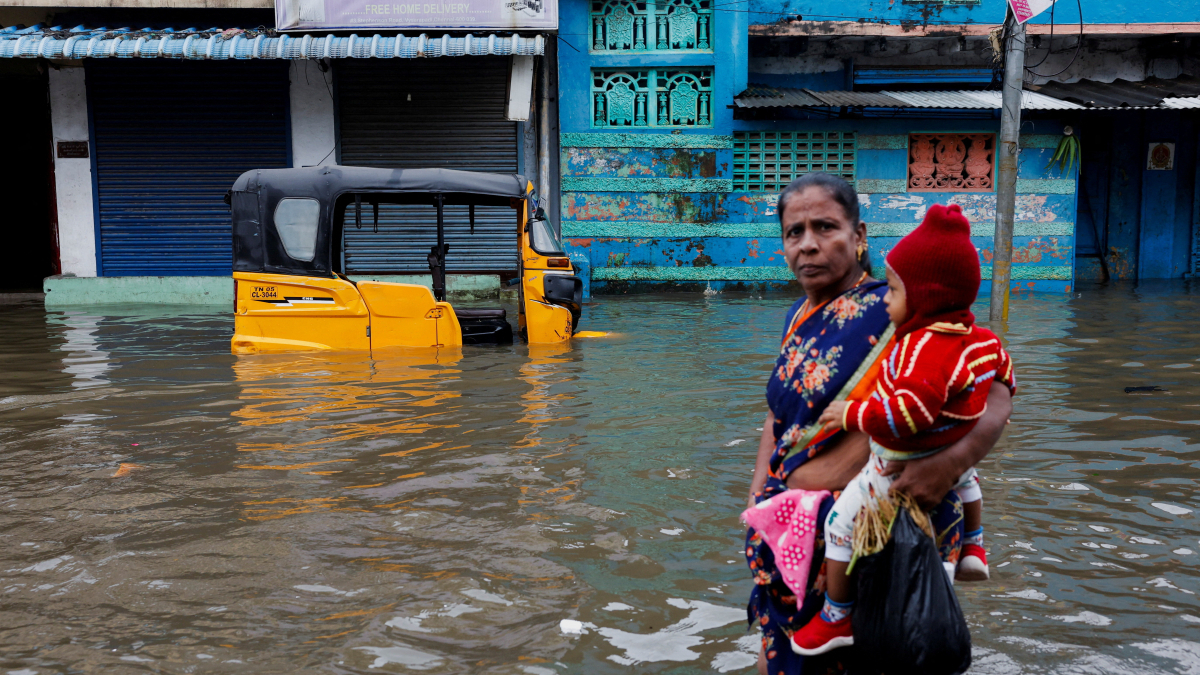
Cyclone Ditwah, which made landfall on the east coast of Sri Lanka, affected over 1.4 million people, including more than 275,000 children. UNICEF spokesperson Ricardo Pires warned that with roads blocked and communications down, the true number of children impacted is likely higher. “Homes have been swept away, entire communities isolated, and essential services children rely on, such as water, healthcare, and schooling, have been severely disrupted,” he said.
Recent torrential rains and strong winds have struck Indonesia, Malaysia, Thailand, Sri Lanka, and Vietnam, causing landslides, flooding, and significant disruption to relief efforts. These events underline the growing threat of extreme weather in a warming world.
Nullis emphasised that no single institution or country can address these challenges alone, calling for strengthened regional cooperation and universal early warning systems. The WMO continues to coordinate with national authorities to provide climate guidance and support to humanitarian responders, while urging communities to prepare for increasingly frequent and severe weather events.













What is your opinion on this topic?
Leave the first comment