AnewZ Morning Brief - 25 February, 2026
Start your day informed with AnewZ Morning Brief. Here are the top news stories for the 25th of February, covering the latest developments you need to...
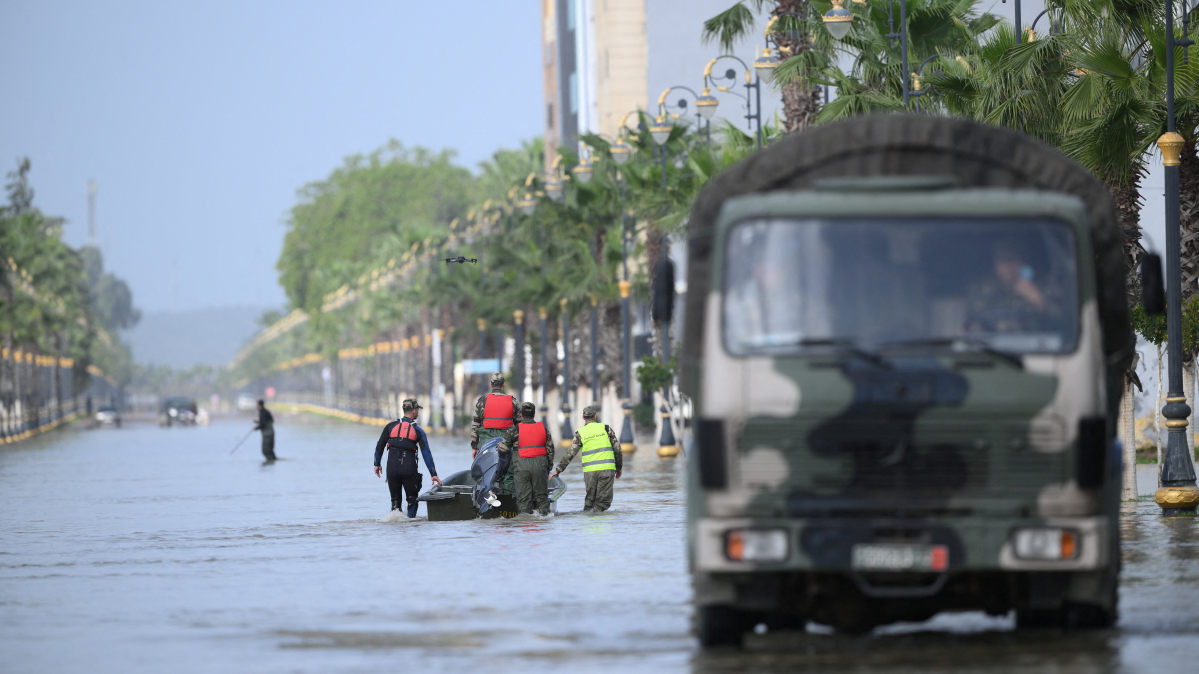
Morocco has evacuated more than 100,000 people from four provinces after heavy rainfall triggered flash floods across several northern regions, the Interior Ministry said on Wednesday.
In a statement, the ministry said authorities carried out phased evacuations from multiple municipalities based on risk assessments and expected damage, while arranging transport for affected residents and setting up emergency shelters and reception centres.
As of Wednesday morning, 108,423 people had been evacuated to safety in total.
The worst-hit area was Larache province, where 81,709 people left, mainly from the city of Ksar el-Kebir. Another 14,133 people departed in Kenitra province, 9,728 in Sidi Kacem province and 2,853 in Sidi Slimane province, according to official figures.
The Interior Ministry said heavy rainfall in recent days caused flooding in several locations, prompting ongoing evacuations of people to safety, rescue and assistance operations aimed at reducing the impact of the disaster and ensuring public safety.
Earlier on Wednesday, the Water Ministry said flash floods were recorded on the outskirts of Guercif in eastern Morocco after water levels rose in Mason Valley.
Authorities also reported disruptions to major roads in multiple provinces, including routes linking Tangier and Tetouan, as well as roads in Larache, Kenitra, Sidi Kacem and Sidi Slimane.
On Tuesday, Ksar el-Kebir Mayor Mohammed Al-Simo said officials had decided to evacuate people from the entire city overnight as a precaution, citing water and power outages and the need to prevent casualties. Local media put the city’s population at around 120,000.
The floods in Morocco come as extreme weather events linked to heavy rainfall have affected multiple regions around the world in recent weeks, with floods reported across parts of Europe, Asia and the Middle East.
Climate scientists say warmer air holds more moisture, increasing the risk of intense downpours and flash flooding, particularly in vulnerable urban and river-basin areas.
Morocco’s meteorological service had warned on Monday that a low-pressure system would bring heavy rainfall of up to 150 millimetres in several regions.

Iran has signed a secret €500 million arms deal with Russia to rebuild air defences, weakened during last year’s war with Israel, the Financial Times has reported. The agreement, signed in December in Moscow, will see Russia deliver 500 Verba launch units and 2,500 9M336 missiles over three years.
A British national was among at least 19 people killed when a passenger bus plunged off a mountain highway into the Trishuli river in Nepal before dawn on Monday (23 February), authorities said. A New Zealander and a Chinese national were among those injured.
Seven people were killed after gunmen ambushed a police patrol in Kohat, a district in Pakistan’s north-west near the Afghan border, on Tuesday, in an attack that comes amid rising militant violence and heightened tensions between Pakistan and Afghanistan.
The Taliban in Kabul has rejected Russian claims that more than 23,000 militants from around 20 international terror groups are currently operating within Afghanistan.
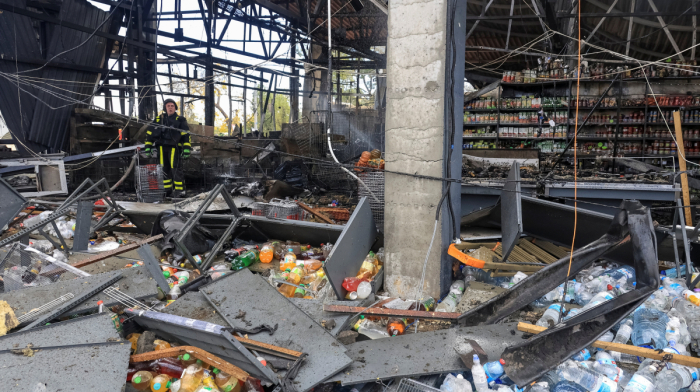
Four years after Russia launched its full-scale invasion of Ukraine on 24 February 2022, the war is no longer defined by shock but by scale.
The administration of U.S. President Donald Trump on Thursday (12 February) announced the repeal of a scientific finding that greenhouse gas emissions endanger human health, and eliminated federal tailpipe emissions standards for cars and trucks.
Tropical Cyclone Gezani has killed at least 31 people and left four others missing after tearing through eastern Madagascar, the government said on Wednesday, with the island nation’s second-largest city bearing the brunt of the destruction.
Rivers and reservoirs across Spain and Portugal were on the verge of overflowing on Wednesday as a new weather front pounded the Iberian peninsula, compounding damage from last week's Storm Kristin.
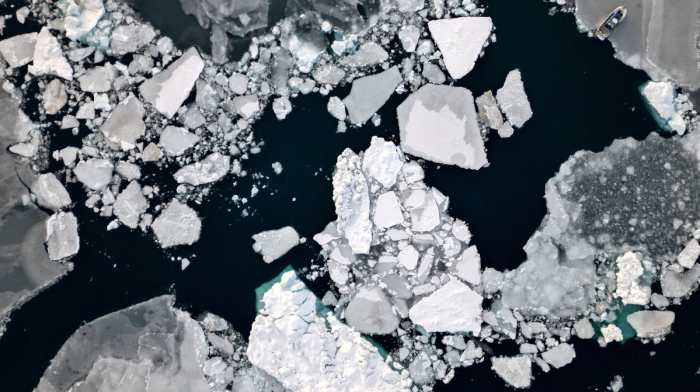
Greenland registered its warmest January on record, sharpening concerns over how fast-rising Arctic temperatures are reshaping core parts of the island’s economy.
Storm Kristin has left central Portugal with severe destruction, major power outages and a reconstruction bill that officials say could reach billions of euros.
You can download the AnewZ application from Play Store and the App Store.
What is your opinion on this topic?
Leave the first comment