Global leaders gather in Türkiye for Antalya Diplomacy Forum
Global leaders and diplomats have gathered in southern Türkiye for the fifth Antalya Diplomacy Forum, focusing on uncertainty, conflict and th...
Kazakhstan has adopted a new constitution that could allow President Kassym-Jomart Tokayev to stay in power beyond 2029. The Central Election Commission confirmed that 87.15% of voters backed the constitution in a referendum held on Sunday (17 March).
Tokayev, who has been President of Kazakhstan since 2019, is presently limited to a single seven year term until 2029.
The new Constitution will now come into effect in a few months from July 1, leading to the dissolution of the current parliament.
Rewriting the Constitution: Kazakhstan faces scrutiny over proposed overhaul
The new constitution, like the old, limits holders of the position to one seven-year term. But analysts have said the new constitution could provide Tokayev the opportunity to reset presidential term limits.
Other measures in the new constitution include the reduction of the Kazakhstani Parliament's two chambers to one, the restoration of the post of Vice President and fresh powers for the President to appoint a host of key officials.
The reintroduction of the Vice President post has led some analysts to suggest 72-year-old Tokayev may be looking to anoint a successor and leave office early. But speaking to reporters after voting in the capital, Astana, Tokayev said the next presidential election would take place in 2029, when his term ended.
Kazakhstan proposes constitutional reform that could extend President's time in power
Kazakhstan’s constitutional overhaul heads to referendum amid stability debate
Tokayev also announced the official designation of 15 March as 'Constitution Day' to commemorate the vote
Turnout in the referendum stood at 73%, the electoral commission said. This is the fifth nationwide referendum in the history of independent Kazakhstan with authorities saying it cost around $42 million to organise it.
Opposition to the constitutional rewrite has been marginal, with state-approved pollsters showing large majorities in favour of the new document. Since independence from the Soviet Union in 1991, Kazakh authorities have maintained tight control over politics in the country of 20 million.

The past 24 hours of the Russia-Ukraine war have seen a drastic escalation in both aerial bombardment and frontline losses.
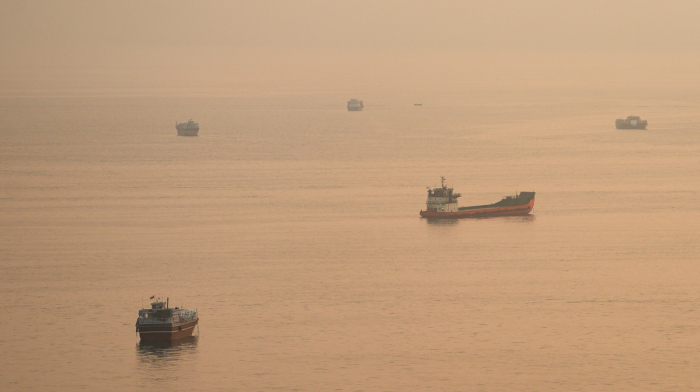
Iran reopened the Strait of Hormuz to commercial shipping on Friday (17 April) for the first time since the U.S. and Israel killed Iran's ex-Supreme Leader in air strikes, triggering the Middle East conflict, at the end of February. A U.S. blockade on Iranian ports, however, remains in force.
Russia published addresses of manufacturers allegedly producing drones or components for Ukraine on Wednesday (15 April), warning European countries against plans to step up UAV supplies to Kyiv.
Iran's Islamic Revolutionary Guards Corps (IRGC) said in a Saturday statement that the Strait of Hormuz has returned to its "previous state" under the control of its "armed forces," citing the ongoing U.S. blockade on Iranian ports.
Netflix shares fell sharply on Friday after the streaming group issued a weaker-than-expected outlook and said chairman and co-founder Reed Hastings will step down from the board.
Global leaders and diplomats have gathered in southern Türkiye for the fifth Antalya Diplomacy Forum, focusing on uncertainty, conflict and the future of global cooperation.
Armenian Prime Minister Nikol Pashinyan said Armenia and Russia have agreed to continue implementing previously reached agreements in the military-technical sphere following his meeting with Russian President Vladimir Putin in Moscow.
Global leaders have gathered in Antalya Diplomacy Forum, with discussions centred on geopolitical uncertainty and international cooperation.
Syrian President Ahmed al-Sharaa has said his country could provide a “safe corridor” and “alternative route” for regional energy shipments, as supply disruptions continue to affect the wider Middle East.
An average of at least 47 women and girls were killed each day during the war in Gaza, according to new figures released by UN Women.
You can download the AnewZ application from Play Store and the App Store.
What is your opinion on this topic?
Leave the first comment