Kazakhstan’s proposed constitutional changes could improve domestic stability and support its multi-vector foreign policy, a regional analyst says, but concerns remain about leadership changes and economic uncertainty.
Kazakhstan's Reform Commission has published a draft Constitution that will be put to a nationwide vote on 15 March.
The draft consists of a preamble, 11 chapters and 95 articles and introduces a revised framework for the organisation of state power. If approved, the new Constitution could enter into force on 1 July 2026.
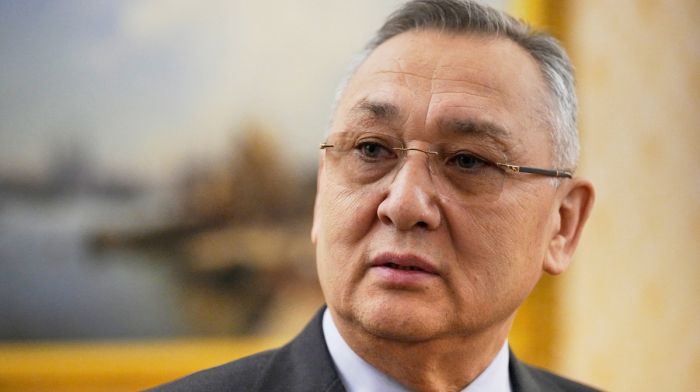
Speaking to AnewZ, Roza Bayramova, Senior Advisor of the AIR Centre, described Kazakhstan as a “middle power” with sufficient economic weight, geographic importance and diplomatic reach to influence its region.
“Kazakhstan is working at an equal level with Russia, with China, with the West and the region itself,” she said, arguing that enhanced domestic stability would make the country more predictable and reliable for international partners. Such predictability, she added, is particularly significant for actors such as China.
On public participation and transparency, Roza Bayramova pointed to the establishment of a social commission made up of representatives from various regions and professional groups, with discussions broadcast live. She also cited survey results indicating public support for the reforms.
“Seventy-eight percent of respondents support the constitutional reform, while 79% say it is timely,” she said.
Responding to concerns raised in an open letter by civil society representatives to President Kassym-Jomart Tokayev, including questions about a possible extension of his presidency analyst said public debate is a normal part of major political reforms.
On the economic front, she acknowledged that constitutional restructuring could create short-term uncertainty. However, she argued that if the reforms enhance predictability and governance stability, investment levels are likely to increase.
Regionally, the analyst said Kazakhstan’s size and influence in Central Asia mean that successful reforms could contribute to broader stability.
“If the reforms are successful, then the state and the region itself will be more predictable and stable,” she said.















What is your opinion on this topic?
Leave the first comment