Several arrested after security alert at UK air base used by U.S. forces
British police have arrested several men on suspicion of offences under the Explosives Act after a major security incident was declared near RAF Fa...
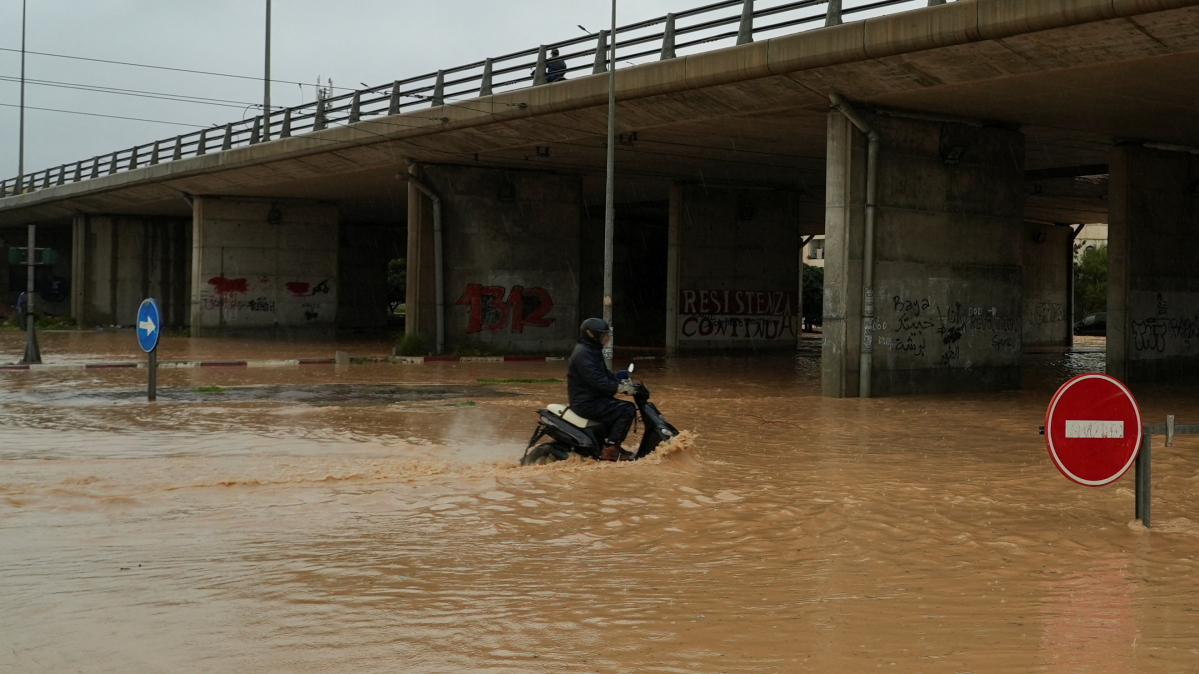
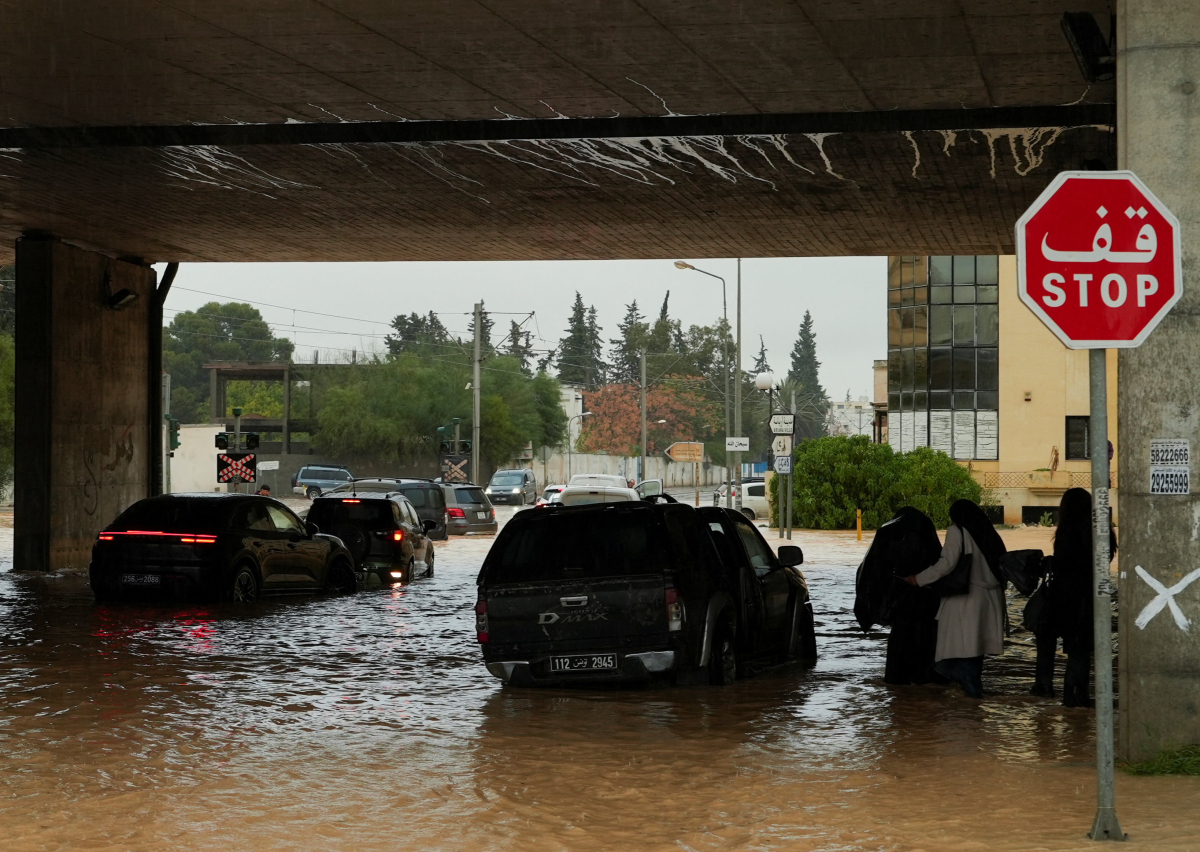
At least four people were killed on Tuesday as floods swept across Tunisia during the worst torrential rain for more than 70 years in some regions, and there were fears the death toll could rise, authorities said.
The cloudbursts inundated streets, submerged vehicles and disrupted daily life in multiple governorates (provinces) of the North African country, with emergency services struggling to respond to the scale of the flooding.
Civil protection teams said several areas were cut off by rising waters, particularly in low-lying neighbourhoods.
Schools were closed in the capital Tunis and in the towns of Nabeul, Sousse and Beja, and court sessions were suspended and public and private transport crippled in some districts.
Videos shared on social media showed fast-moving floods sweeping debris through residential streets, with seawater inundating neighbourhoods in the coastal town of Menzel Temime.
Malek Klibi is a resident of Tunis and he said "Tunisia rarely experiences such periods of torrential rain. Forgive me for speaking French, but every time this phenomenon occurs, when you look back you find the drains - which are supposed to be cleaned every year so that water can flow and these floods do not happen - they are dirty (blocked)."
Another resident, Mohamed Ghdira said he welcomes the rain.
"We need it for dams and for everything, but the infrastructure, as usual, is always the same problem," he said.
"There are well known areas that have not been properly taken care of. You look at the situation and even someone who just wants to go to work, go home, or carry out daily activities ends up completely blocked, so we can’t work, and there is a lot of damage to our economy," he added.
Meteorological officials said the rainfall levels in some regions were the heaviest recorded since 1950.

Leaders from around the world are gathering in New York for the latest session of the United Nations General Assembly, with conflicts in Ukraine and the Middle East, global security, trade, artificial intelligence, climate change and economic development dominating the agenda.
World leaders return to the United Nations headquarters in New York on Friday for the fourth day of the high-level General Debate, with speeches and diplomatic meetings continuing throughout the day.
Finland and Sweden deployed fighter aircraft on Thursday after a group of Russian military planes was detected over the Gulf of Finland, the Finnish Air Force reported on Friday (25 September).
Iran on Saturday awaited a U.S. response to its proposal to reopen the Strait of Hormuz and end fighting in the Middle East war after the Wall Street Journal reported that President Donald Trump had rejected the deal.
Six people have died after a two-storey residential building in a tourist area of central Athens collapsed, the Greek fire brigade said on Saturday (26 September), following an explosion that the mayor said was likely linked to gas infrastructure.
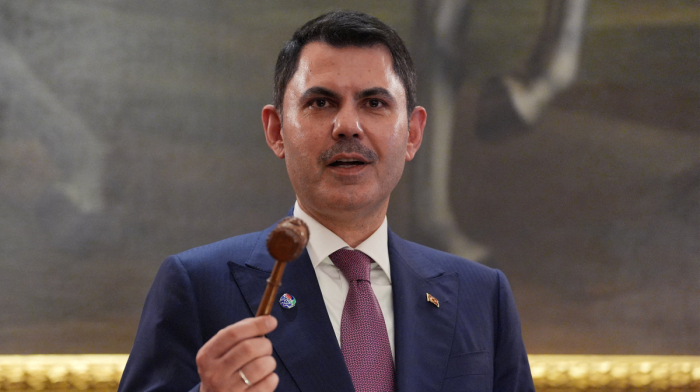
Türkiye’s COP31 presidency has unveiled an action agenda designed to turn climate commitments into concrete projects and measurable results, focusing on clean energy, waste reduction, resilient cities and industrial decarbonisation.
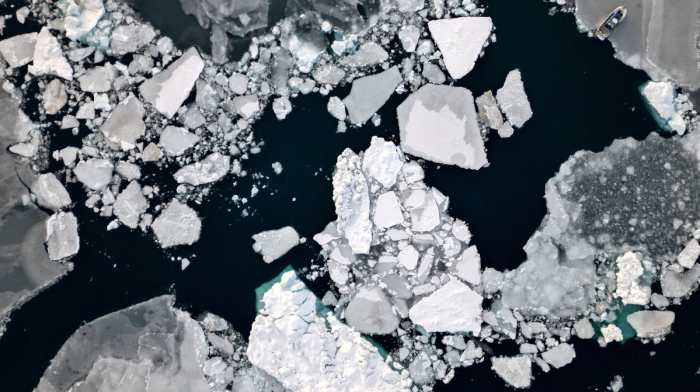
Greenland and Antarctica have shed a combined 11.3 trillion tonnes of ice since 1979, according to the most comprehensive satellite study of the planet's ice sheets to date, with researchers warning the pace of loss has accelerated sharply in recent decades.
The European Union will continue allowing large-scale plastic waste exports to Türkiye despite concerns over recycling rates, environmental damage and the risk of illegal waste trafficking.
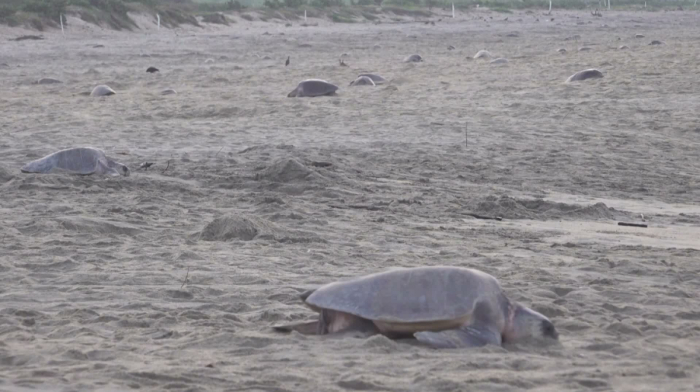
Hundreds of thousands of deep-diving turtles, known as olive ridley sea turtles, have arrived on Mexico’s southern coast for one of nature’s most striking nesting events. But conservation officials warn that climate change is making it increasingly difficult for their eggs to hatch.
August 2026 tied as the hottest month ever recorded globally, pushing average temperatures above the critical 1.5°C threshold as extreme weather swept across several regions, the EU’s Copernicus Climate Change Service said.
You can download the AnewZ application from Play Store and the App Store.
What is your opinion on this topic?
Leave the first comment