Greenland registered its warmest January on record, sharpening concerns over how fast-rising Arctic temperatures are reshaping core parts of the island’s economy.
Greenland, the Arctic island coveted by U.S. President Donald Trump, is warming at a rate four times faster than the global average, redrawing expectations for fishing, mining and daily life.
Trump has said the U.S. “must own Greenland” for security reasons, although he has backed away from threats to take the island by force.
Preliminary readings from the Danish Meteorological Institute show that temperatures in Nuuk averaged +0.2 degrees Celsius in January, well above the historical average of -7.7 degrees between 1991 and 2020 and the highest ever recorded.
“Climate change is already clearly visible on Greenland,” said Jacob Hoyer, head of the National Centre for Climate Research at the Danish Meteorological Institute.
“From the records, we can see that it is warming four times faster than the mean temperature hike in the world.”
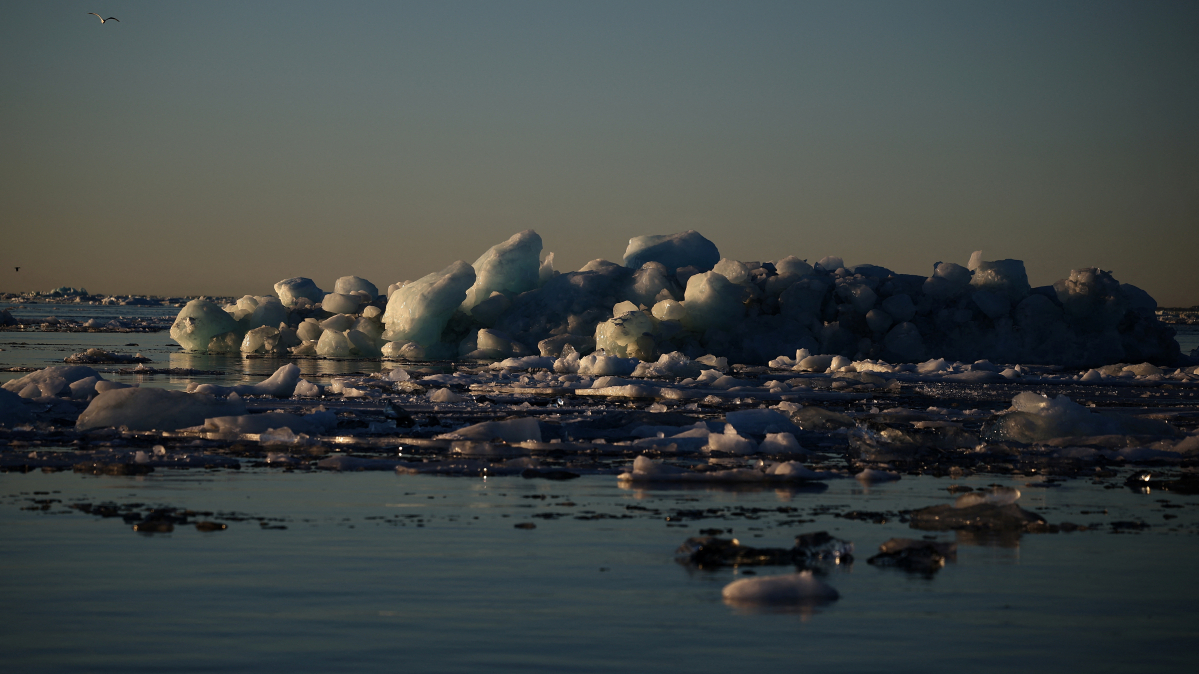
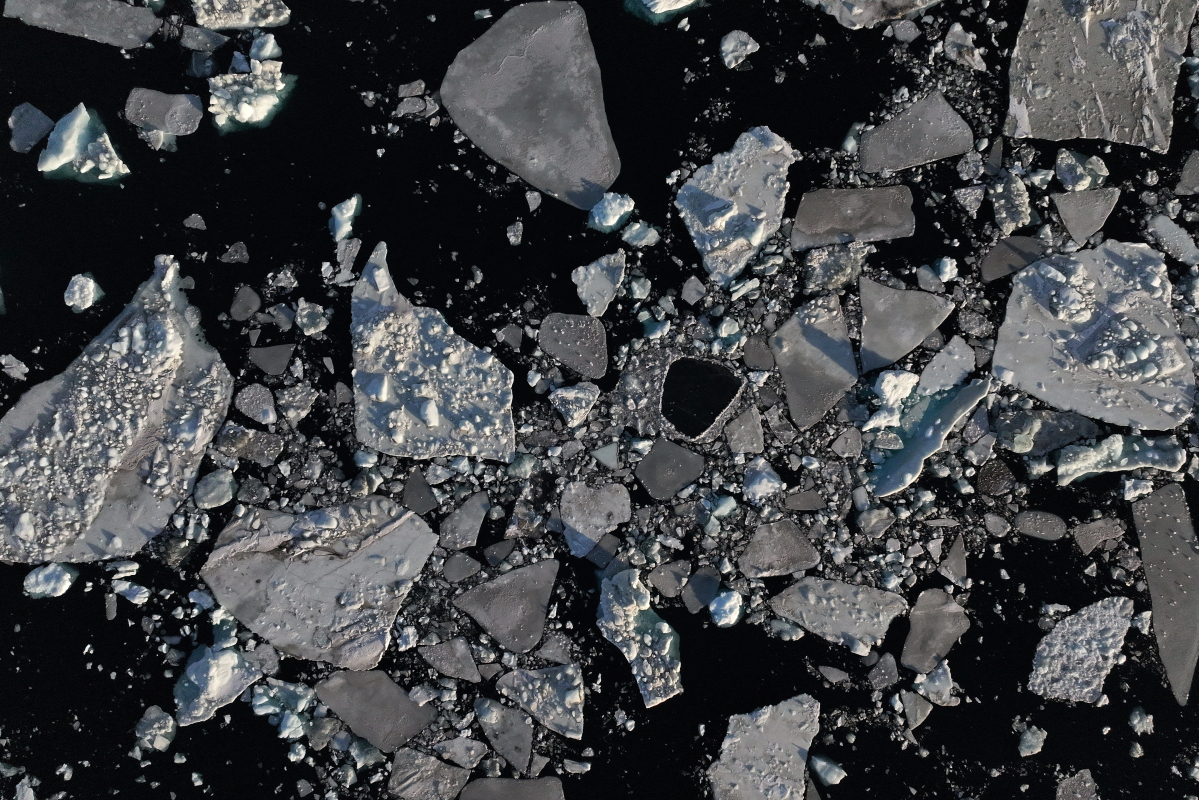
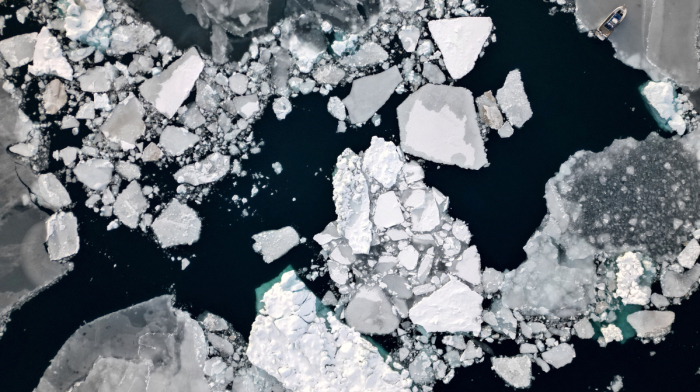
Thinner sea ice now stretches less far south during winter and is harder to use for transport. Hoyer said warmer waters are also reshaping conditions around Greenland, a shift that could influence the island’s main export sector.
Catches of shrimp, halibut and cod accounted for 23% of gross domestic product in 2023, according to Statistics Greenland, and provide 15% of all jobs.
“The waters around Greenland are also warming up, and that can change the ecosystem and the fishery business. It will most likely have an impact,” he said, adding it was too early to know the scale.
Greenland’s mineral wealth remains a strategic factor. A Danish survey published in 2023 found that 25 of the 34 minerals labelled “critical raw materials” by the European Commission were present on the island.
Red tape, harsh conditions and opposition from indigenous groups have made mining costly, but Hoyer said the warming climate could make extraction and shipping less expensive.
Other businesses face immediate strain. Casper Moller, who runs tours for visitors, said the lack of snow and ice is disrupting excursions.
“So, what we are doing at this moment is just crossing our fingers that we will reach more snow quite soon,” he said.

















What is your opinion on this topic?
Leave the first comment