The world has already entered an era of global water bankruptcy, with irreversible damage to rivers, aquifers, lakes and glaciers pushing billions of people into long-term water insecurity, according to a major United Nations report released on Tuesday.
The flagship assessment by the United Nations University (UNU) and its water institute, UNU Institute for Water, Environment and Health (UNU-INWEH), argues that commonly used terms such as ‘water stress’ and ‘water crisis’ no longer reflect reality in many regions. Instead, it says, large parts of the global water system are now in a post-crisis state where historic conditions cannot realistically be restored.
Lead author Kaveh Madani, director of UNU-INWEH, said societies have been ‘living beyond their hydrological means’ for decades.
"Many critical water systems are already bankrupt," Madani said. "We are no longer dealing with temporary shortages or shocks that systems can bounce back from. In many places, the natural capital that once produced reliable water supplies has been permanently damaged."
Using a financial analogy, the report says countries have not only overspent their annual renewable water "income" from rivers, rainfall and snowpack, but have also depleted long-term "savings" stored in aquifers, wetlands and glaciers.
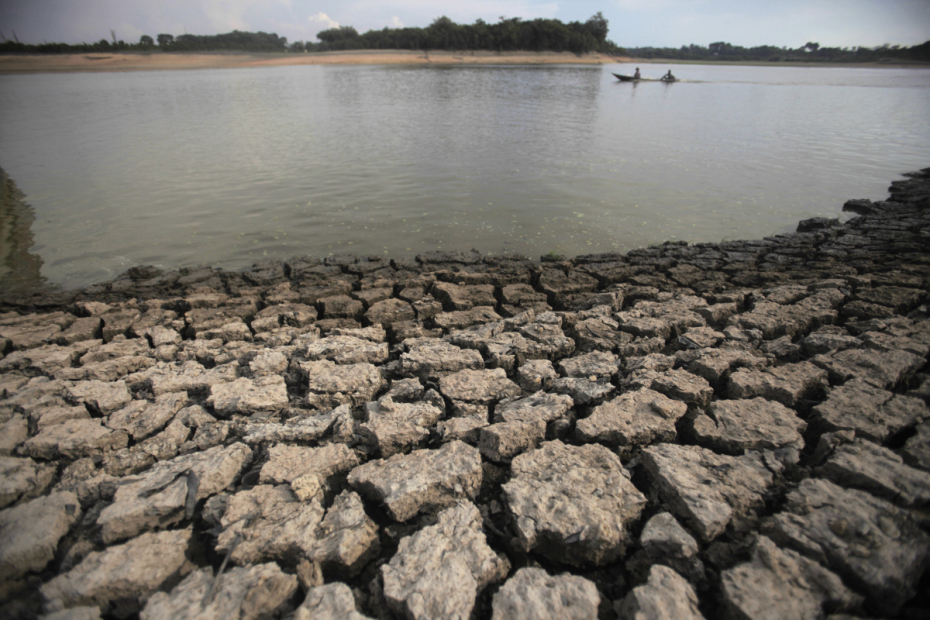
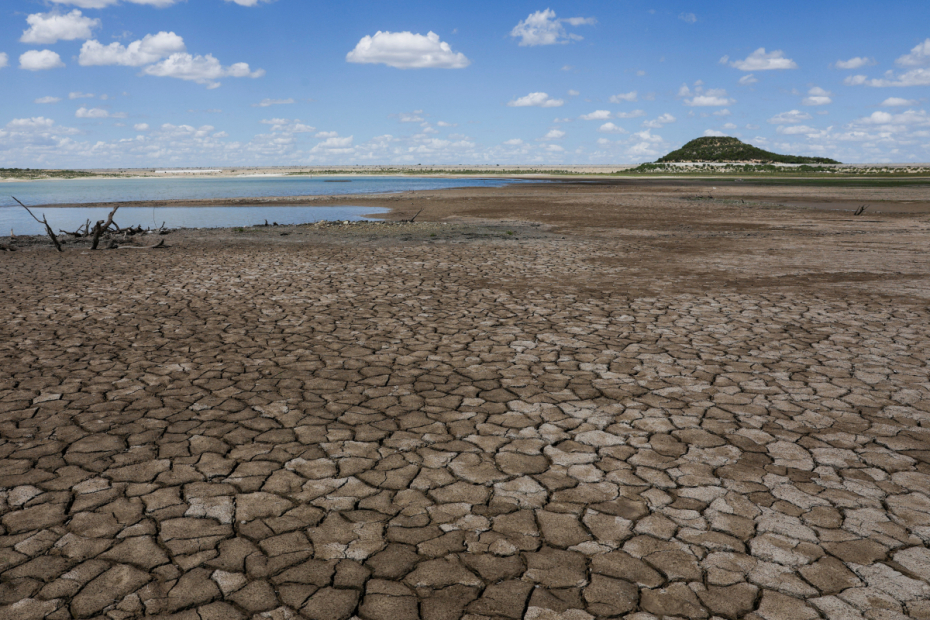
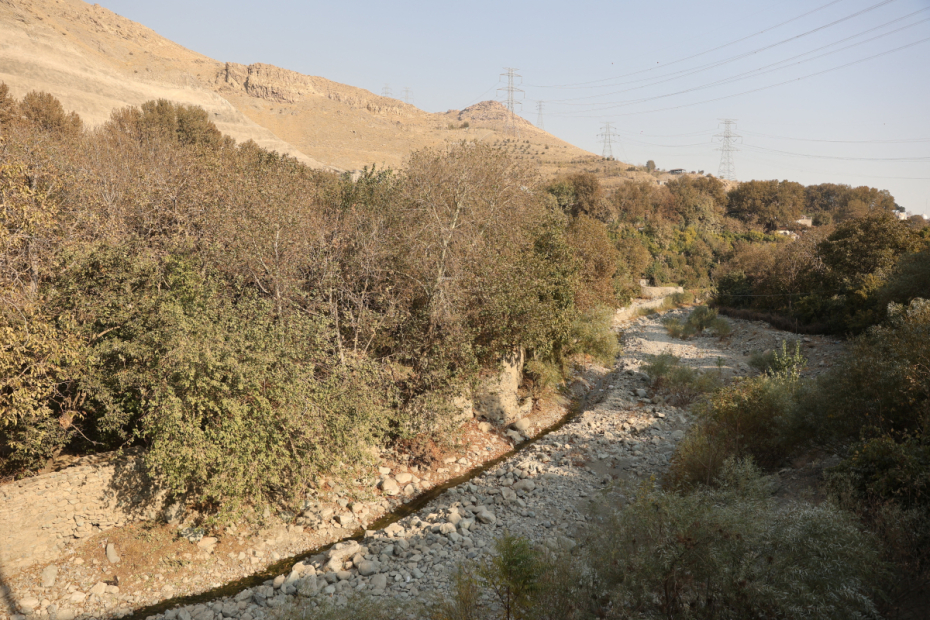
This has resulted in compacted aquifers, sinking cities, disappearing lakes and wetlands, and widespread biodiversity loss that cannot be reversed or would be prohibitively expensive to repair.
The report formally defines water bankruptcy as persistent over-withdrawal and pollution of surface and groundwater beyond renewable inflows and safe depletion limits, leading to irreversible loss of water-related natural capital. By contrast, "water stress" describes high pressure that remains reversible, while "water crisis" refers to acute, time-limited shocks.
Global risk, not isolated failures
While not every basin or country is water-bankrupt, the report warns that enough critical systems have crossed these thresholds to fundamentally alter the global risk landscape.
"These systems are interconnected through food trade, migration, climate feedbacks and geopolitics," Madani said. "When water fails in one region, the consequences travel."
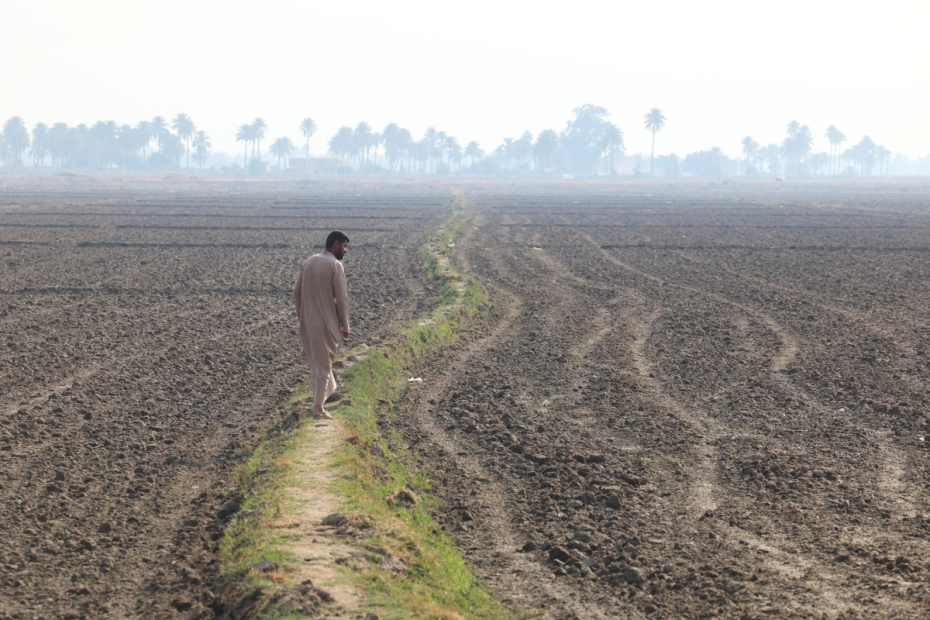
Agriculture sits at the centre of the problem. Around 70% of global freshwater withdrawals are used for farming, much of it in water-stressed regions. Groundwater now supplies about half of domestic water use worldwide and more than 40% of irrigation, even as most major aquifers show long-term decline.
Stark figures
Drawing on global datasets, the report highlights the scale of human-driven water loss:
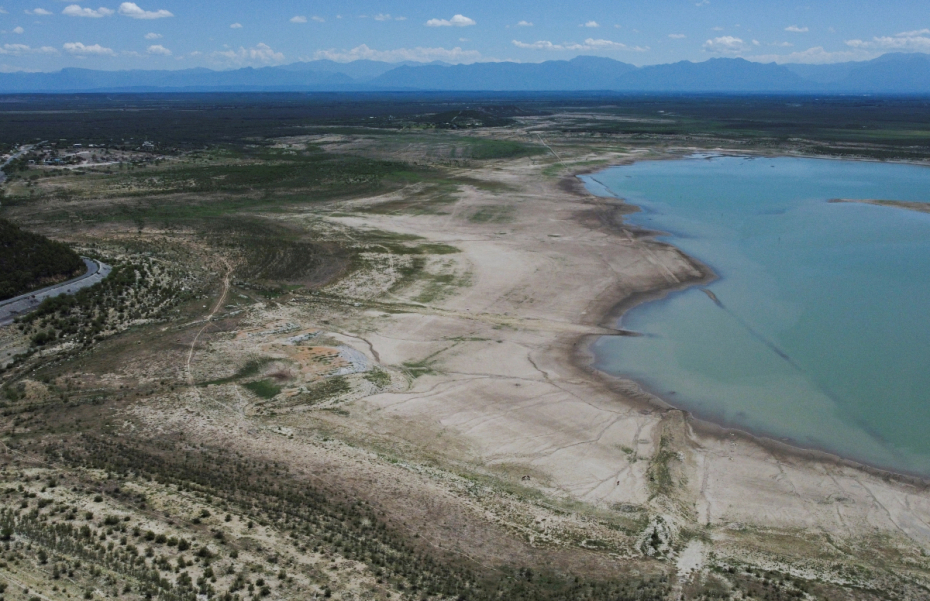
- More than half of the world’s large lakes have lost water since the early 1990s.
- Around 70% of major aquifers show long-term decline.
- Nearly 410 million hectares of natural wetlands have disappeared in the past five decades.
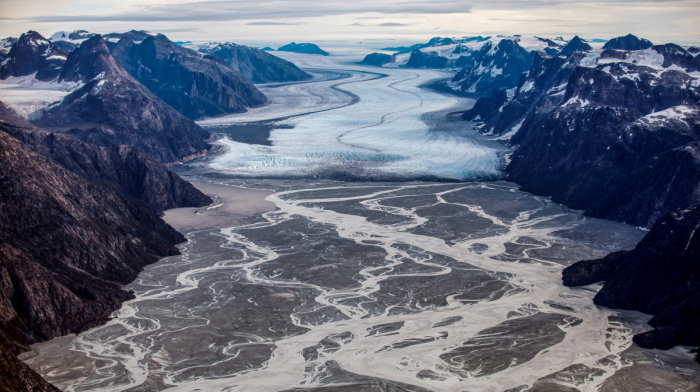
- More than 30% of glacier mass has been lost in several regions since 1970.
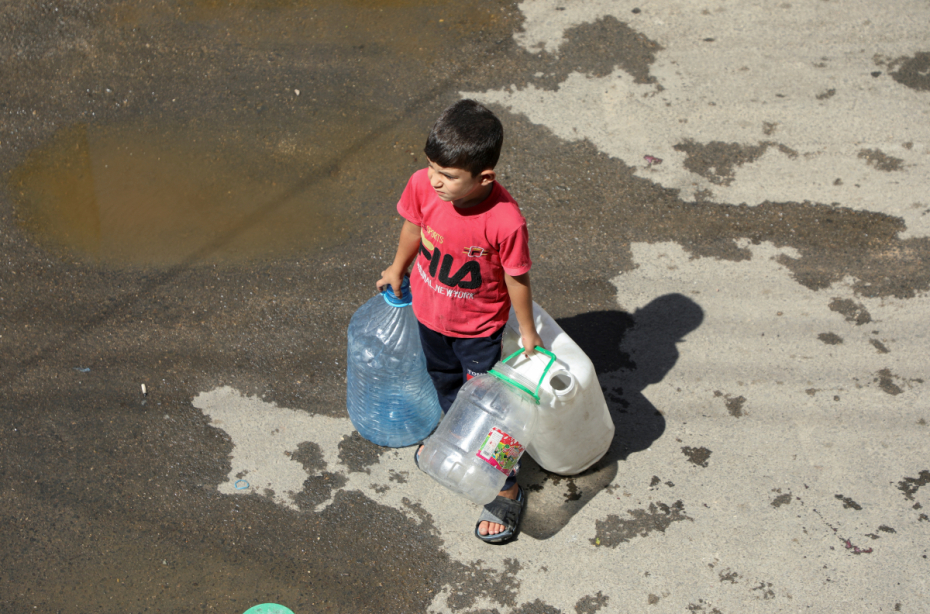
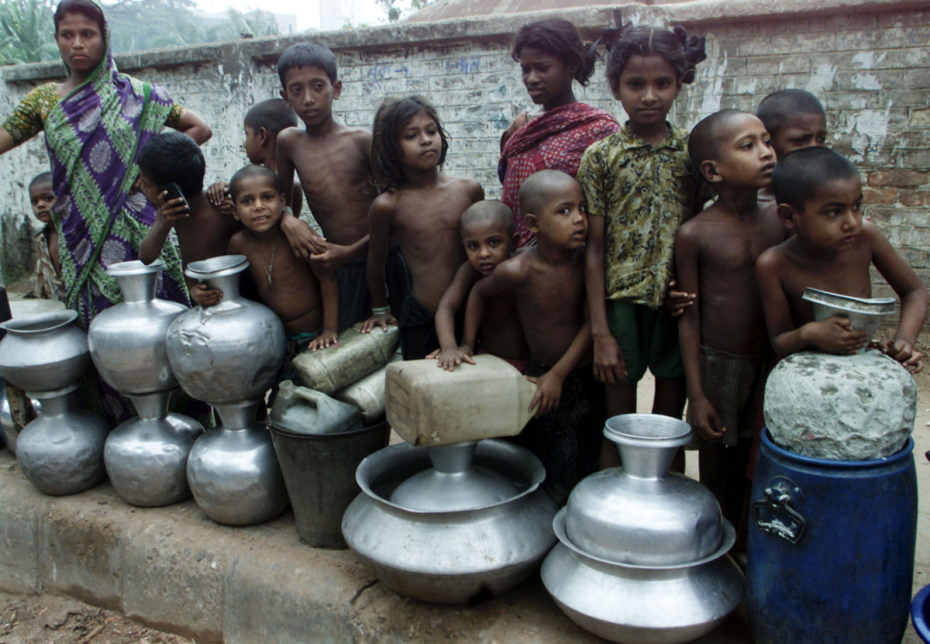
- Almost four billion people face severe water scarcity for at least one month each year.
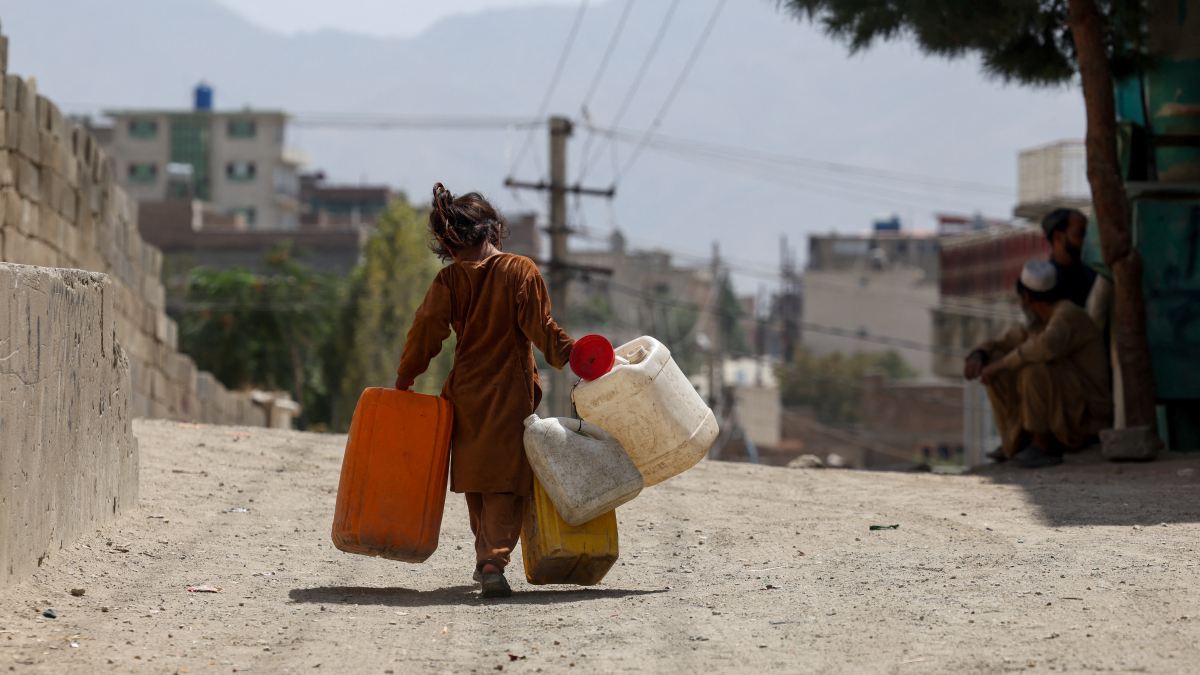
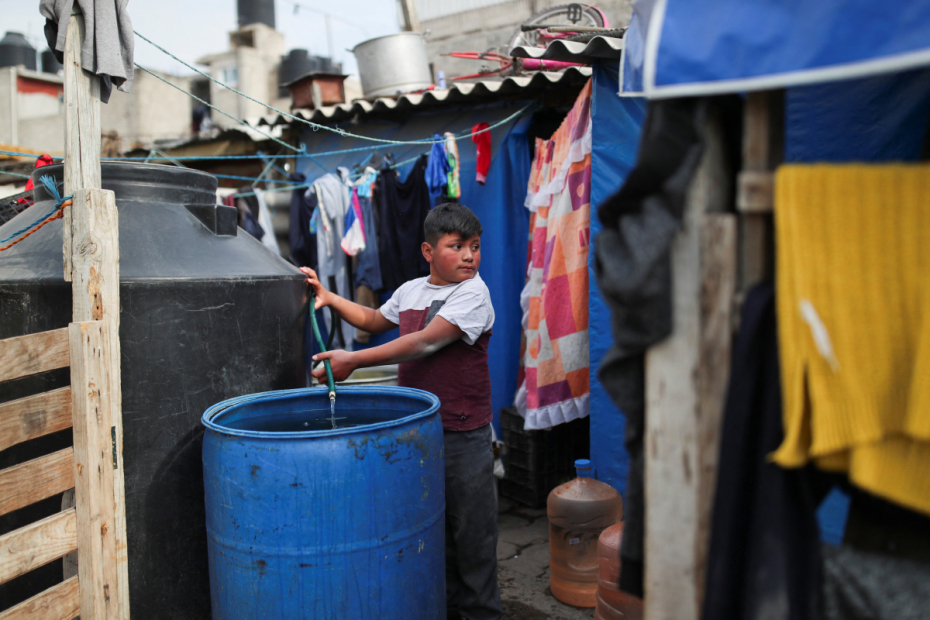
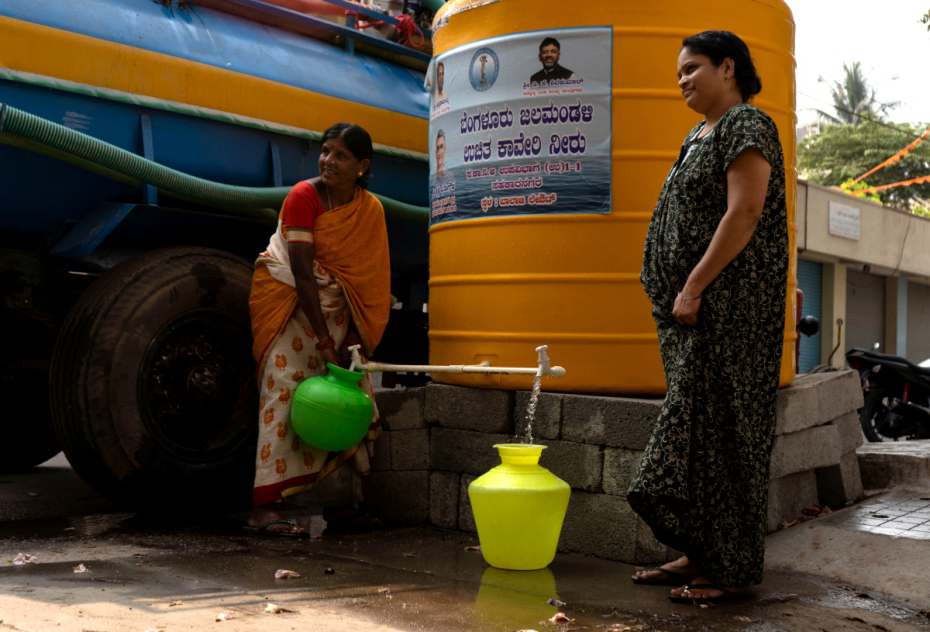
The human consequences are already visible. Roughly three-quarters of the global population live in countries classified as water-insecure or critically water-insecure, while about two billion people live on sinking ground caused by groundwater over-pumping.
From crisis management to bankruptcy management
The report warns that the current global water agenda, largely focused on drinking water, sanitation and incremental efficiency gains, is no longer fit for purpose in many regions.
Instead, it calls for a fundamental reset that formally recognises water bankruptcy, prevents further irreversible damage, rebalances water rights to reflect degraded capacity, and supports just transitions for communities whose livelihoods must change.
Water, the authors argue, should be treated as an upstream strategic sector rather than a downstream victim of climate change, biodiversity loss and land degradation.
"Investment in water is investment in climate stability, food security, biodiversity and peace,’ Madani said. ‘In a fragmented world, water can still be a bridge."
Test for global leadership
The warning comes ahead of preparatory meetings for the UN Water Conference in Dakar later this month and the 2026 UN Water Conference, to be co-hosted by the United Arab Emirates and Senegal.
UN officials say those milestones, alongside the 2030 Sustainable Development Goals deadline, will be critical in determining whether governments shift from short-term emergency responses to long-term management of irreversible water loss.
"Water bankruptcy is becoming a driver of fragility, displacement and conflict," said Tshilidzi Marwala, rector of the United Nations University. "Managing it fairly is now central to peace, stability and social cohesion."
Despite its stark conclusions, the report says it is not a message of defeat.
"Declaring bankruptcy is not about giving up," Madani said. "It is about facing reality, stopping further losses, and redesigning our systems to live within new hydrological limits. The longer we delay, the deeper the deficit grows."















What is your opinion on this topic?
Leave the first comment