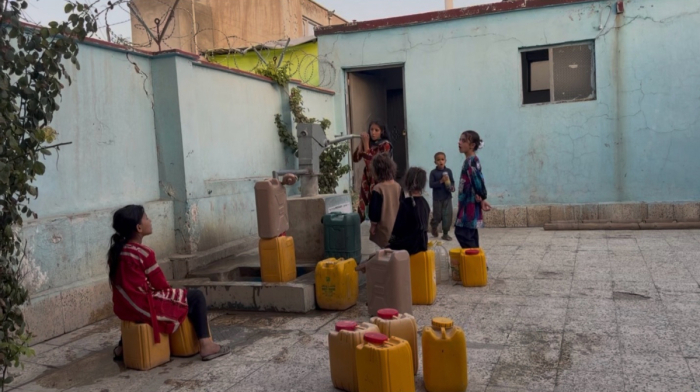
Central Asian leaders warn water shortages threaten regional stability
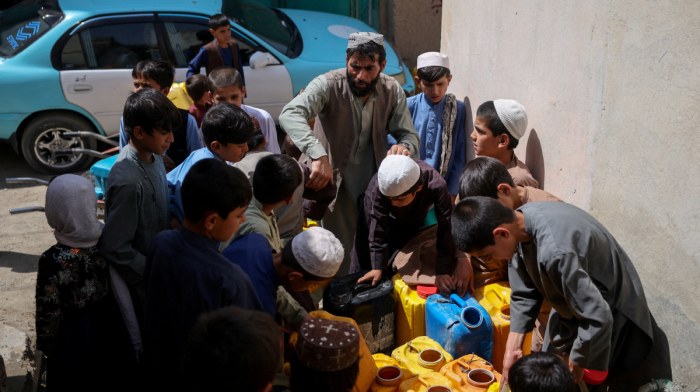
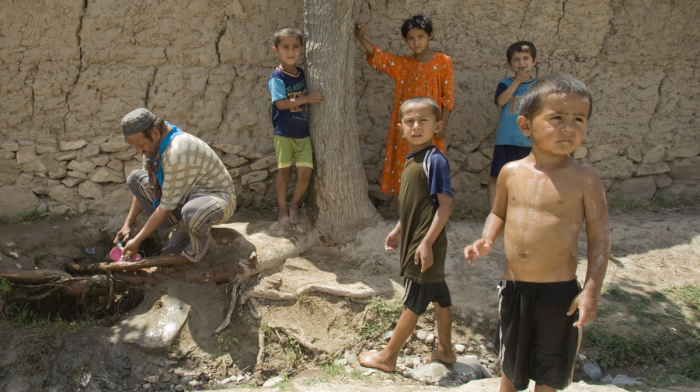
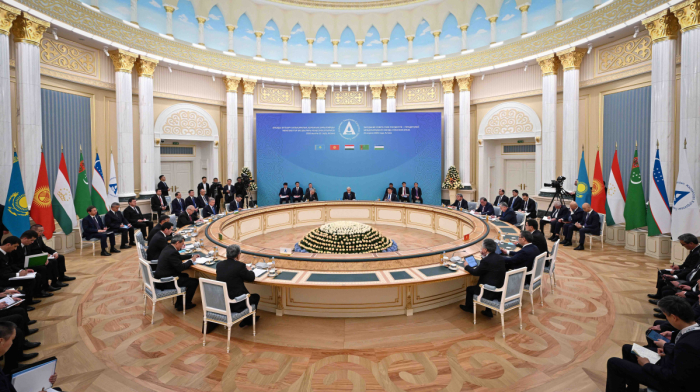
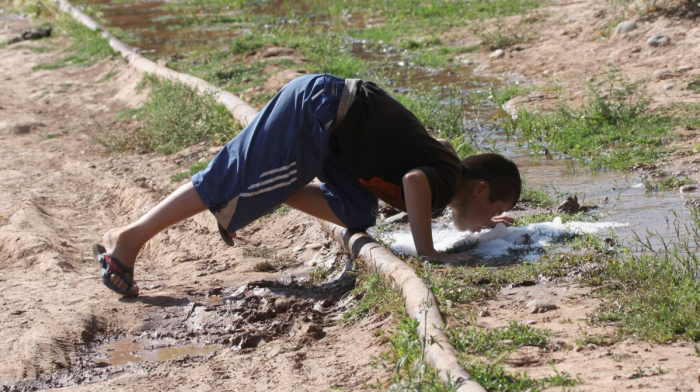
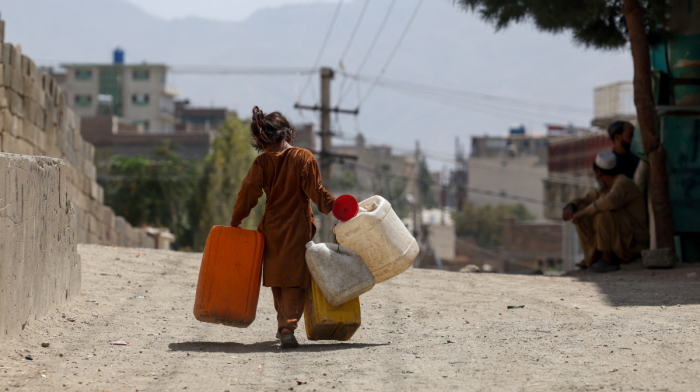
Central Asian leaders have warned that worsening water shortages now pose a direct threat to regional stability, urging coordinated action and stronger international engagement.
Five Central Asian states are launching a $30 million programme to tackle water scarcity and land degradation, as climate pressures and rising demand sharpen risks across the region.
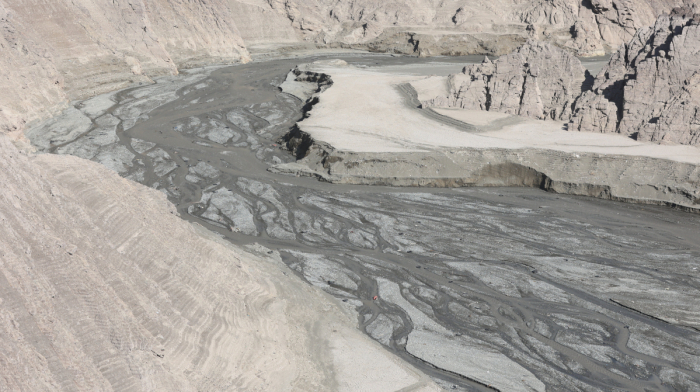
The world has already entered an era of global water bankruptcy, with irreversible damage to rivers, aquifers, lakes and glaciers pushing billions of people into long-term water insecurity, according to a major United Nations report released on Tuesday.
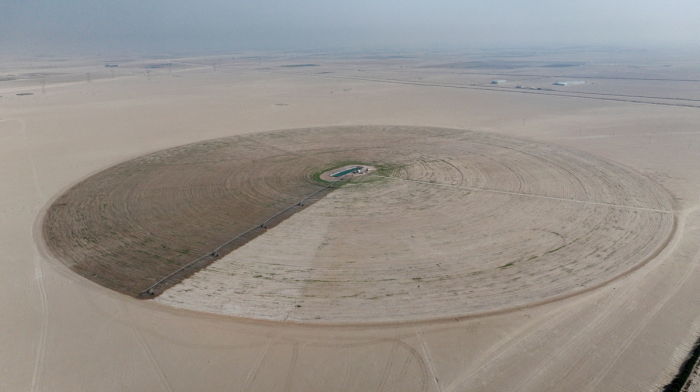
Across Iraq’s wheat belt, farmers are turning away from traditional river-fed irrigation as the Tigris and Euphrates shrink, replacing canals with wells, sprinklers and storage basins.
Iran is facing its worst water crisis in decades, with officials warning that Tehran, home to over 10 million people, could become uninhabitable if the ongoing drought persists.
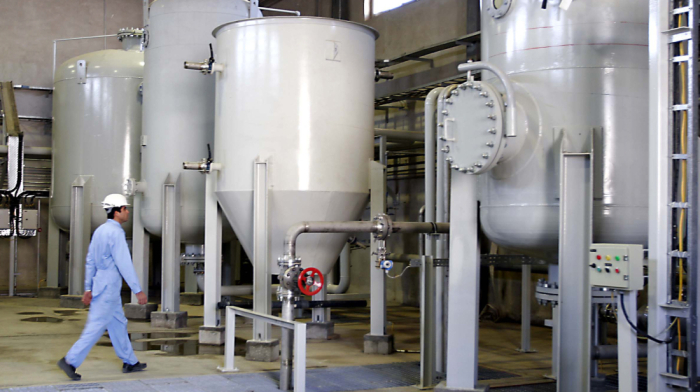
Iran has inaugurated a $70 million water diversion initiative aimed at increasing the capital’s water supply.
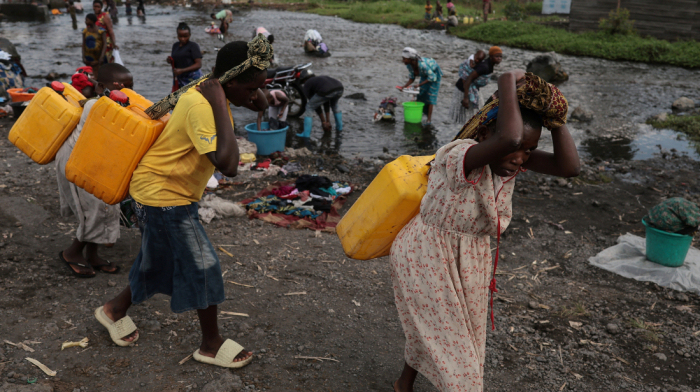
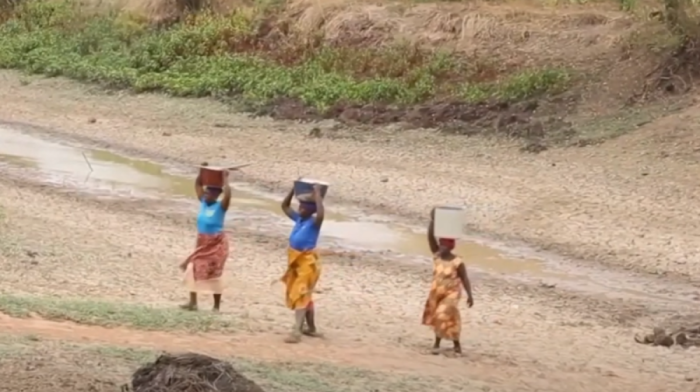
A quarter of the world’s population, 2.1 billion people, still lack access to safely managed drinking water, according to a new WHO and UNICEF report marking World Water Week 2025.
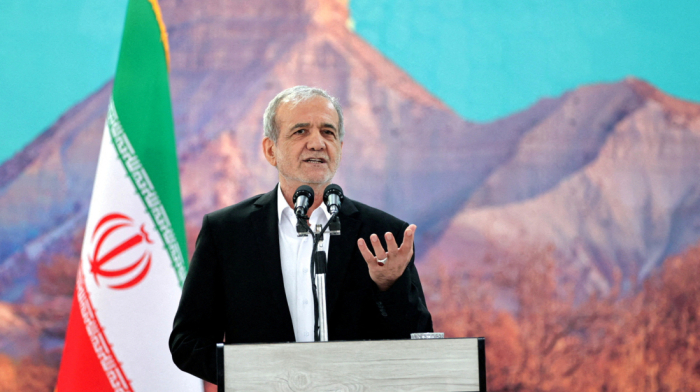
Iranian President Masoud Pezeshkian has issued a stark warning over unsustainable water usage, cautioning that the capital Tehran could face severe shortages as early as September if consumption is not brought under control, the semi-official Tasnim news agency reported on Thursday.
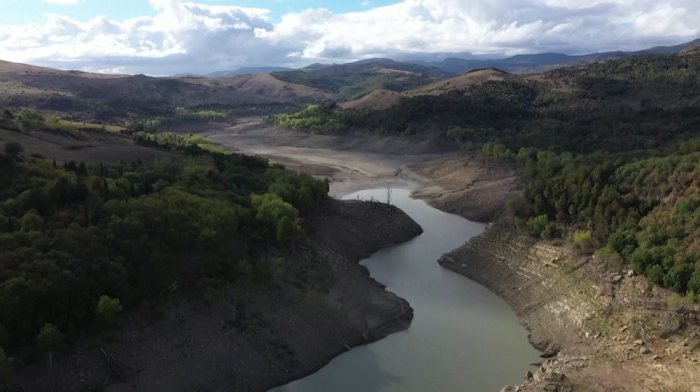
Residents of the Mediterranean island of Sicily are grappling with a worsening water crisis, underscoring the urgency of global action on water security.
You can download the AnewZ application from Play Store and the App Store.