Georgian parliamentary speaker questions EU’s role as ‘global geopolitical actor’
The speaker of Georgia’s parliament, Shalva Papuashvili, has questioned the European Union’s ability to act as a global geopolitical power, saying...
Across Iraq’s wheat belt, farmers are turning away from traditional river-fed irrigation as the Tigris and Euphrates shrink, replacing canals with wells, sprinklers and storage basins.
In southern Basra province, wheat fields that once depended on surface water are now irrigated by sprinklers drawing from groundwater, including saline supplies, in a shift that farmers say is no longer optional.
Ali Fahad, a wheat farm owner in Basra, says desert agriculture now depends entirely on whether water quality is suitable for crops. He explains that wheat can tolerate agricultural water with salinity levels of 1,000 to 1,500, even up to 2,000, which he describes as excellent for the crop. The real problem, he says, is cost. Drilling wells, installing sprinkler systems and maintaining pumps has sharply increased production expenses at a time when many farmers are already under financial pressure.
Conditions vary sharply across the country. In central provinces such as Najaf, farmers say groundwater is often unusable. Ma’an al-Fatlawi, another wheat farm owner, says wells in districts surrounding Najaf will not succeed because the water is either too saline or sulphurous. As a result, large areas of agricultural land remain uncultivated despite being prepared for planting, as farmers cannot rely on wells to sustain their crops.
The agriculture ministry has responded by tightening control over wheat cultivation and water use. Officials have capped wheat areas irrigated by river water and made modern irrigation systems mandatory under a two-phase national plan. The policy aims to conserve limited surface water while pushing farmers towards sprinklers and other water-saving techniques, particularly in desert and semi-arid regions.
While the measures are intended to protect water resources, farmers and water experts warn that increased reliance on groundwater carries its own risks. Over-extraction threatens to worsen salinity and deplete aquifers, potentially undermining the very solution farmers have turned to in response to shrinking rivers. For now, however, many growers say they have little choice, as keeping wheat alive increasingly depends on what lies beneath the ground rather than what flows through Iraq’s rivers.

Denmark’s Prime Minister Mette Frederiksen has urged U.S. President Donald Trump to abandon comments suggesting the United States should take over Greenland, calling the idea baseless and unacceptable.
Israeli media report that Israeli Prime Minister Benjamin Netanyahu chaired a lengthy security meeting that reportedly focused on the country’s regional threats, including Gaza, Lebanon, and Iran.
Flights across Greece were halted for hours on Sunday after a collapse of radio frequencies crippled air traffic communication, stranding thousands of travellers during one of the busiest holiday weekends.
Germany’s foreign intelligence service secretly monitored the telephone communications of former U.S. President Barack Obama for several years, including calls made aboard Air Force One, according to an investigation by the German newspaper Die Zeit.
At the end of last year, U.S. President Donald Trump was reported to have raised the Azerbaijan–Armenia peace agenda during a conversation with Israel’s prime minister, warning that if peace were not achieved, Washington could raise tariffs on both countries by 100 percent.
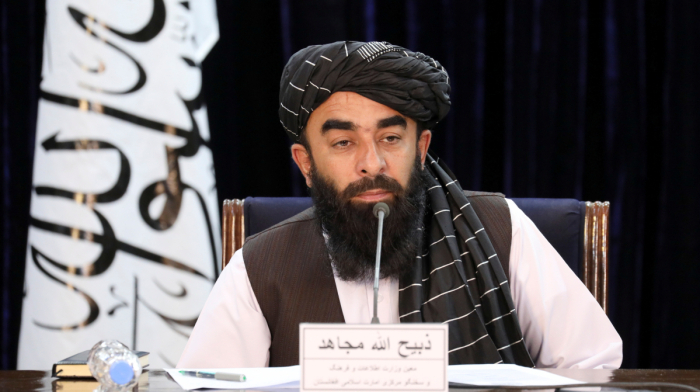
The speaker of Georgia’s parliament, Shalva Papuashvili, has questioned the European Union’s ability to act as a global geopolitical power, saying it no longer functions as a guarantor of international order.
Israeli air strikes in Gaza and Lebanon have raised fresh concerns about the durability of ceasefire agreements, after deadly attacks were reported in both territories.
At least 29 people have been killed and more than 1,200 arrested during a fresh wave of unrest in Iran, a U.S.-based rights organisation says.
Around 20 Azerbaijani migrant workers in Russia have been coerced into fighting on the front line in Ukraine, according to reports cited by Azerbaijani media.
President Ilham Aliyev said 2025 has politically closed the Armenia-Azerbaijan conflict, as a Trump-era reset in U.S. ties, new transport corridors and a push into AI, renewables and defence production reshape Azerbaijan’s priorities.
You can download the AnewZ application from Play Store and the App Store.
What is your opinion on this topic?
Leave the first comment