Uzbekistan is considering new measures that would make banks and payment organisations legally responsible for financial losses caused by cybercrime if those losses stem from weak cybersecurity.
Rising cybercrime risks
Authorities noted that cyberattacks targeting critical information infrastructure are becoming a global challenge and are increasingly affecting Uzbekistan. As a result, companies are being urged to strengthen the protection of their information systems and adapt cybersecurity measures to address modern threats.
Under the proposed reforms, businesses could face administrative liability for failing to comply with cybersecurity and information security requirements, even if a violation does not directly result in financial losses.
The banking sector is expected to be particularly affected by the changes, as financial institutions increasingly offer remote and online services that may be vulnerable to fraud and cyberattacks.
Banks may compensate victims
Authorities have also proposed introducing legal responsibility for commercial banks, payment system operators and payment organisations for damages caused by cybercrime if such incidents occur because of inadequate protection of their systems.
According to officials, vulnerabilities in the systems of three banks previously led to financial losses for 3,025 clients totalling about 17 billion soums (around $1.36 million).
If adopted, the legislation would require financial institutions to strengthen cybersecurity standards and improve monitoring of digital transactions to prevent similar incidents.
Cybercrime is growing with digitalisation
The proposals come amid a sharp rise in cybercrime as internet use and digital financial services expand in Uzbekistan. The number of internet users in the country has exceeded 31 million, including around 14 million active social media users.
Officials reported that 82% of fraud cases and 76% of thefts in 2025 involved information technologies, while total financial damage to individuals and organisations exceeded 2 trillion soums (about $160 million).
Authorities say cybercriminals often exploit vulnerabilities in digital systems, as well as limited technological awareness among some users.
Draft laws under preparation
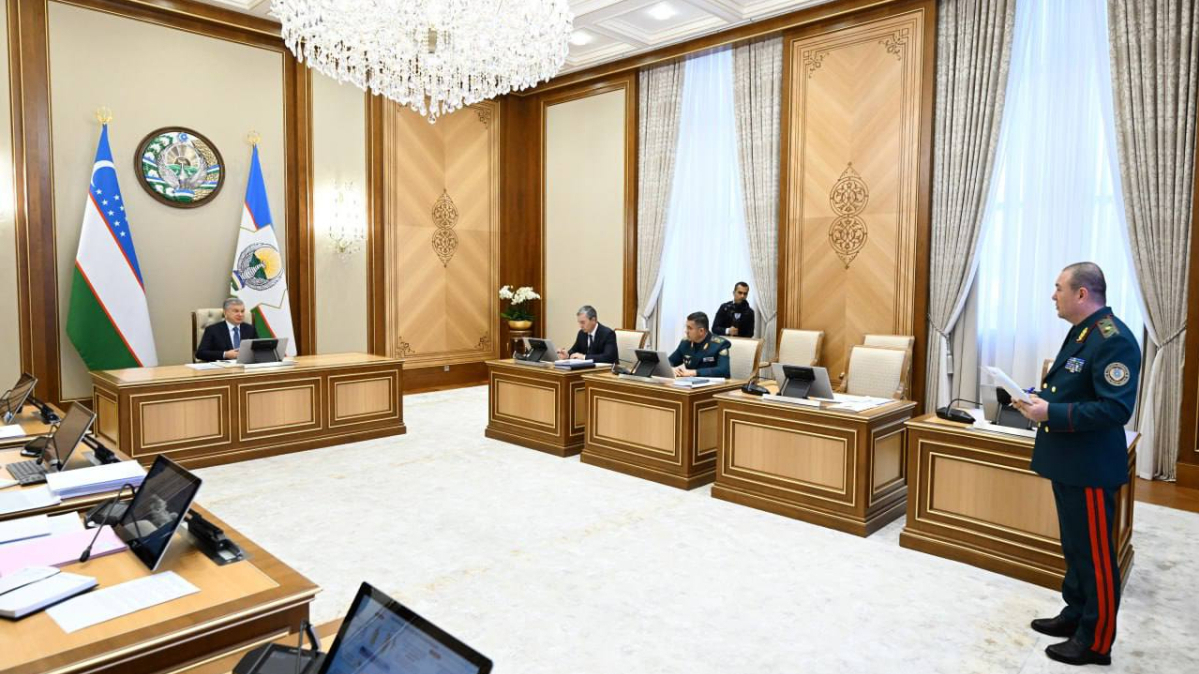
During the presentation, several draft laws aimed at strengthening the legal framework against cybercrime and organised crime were discussed. These include tougher penalties for offences committed using information technologies and new regulations addressing emerging forms of digital crime.
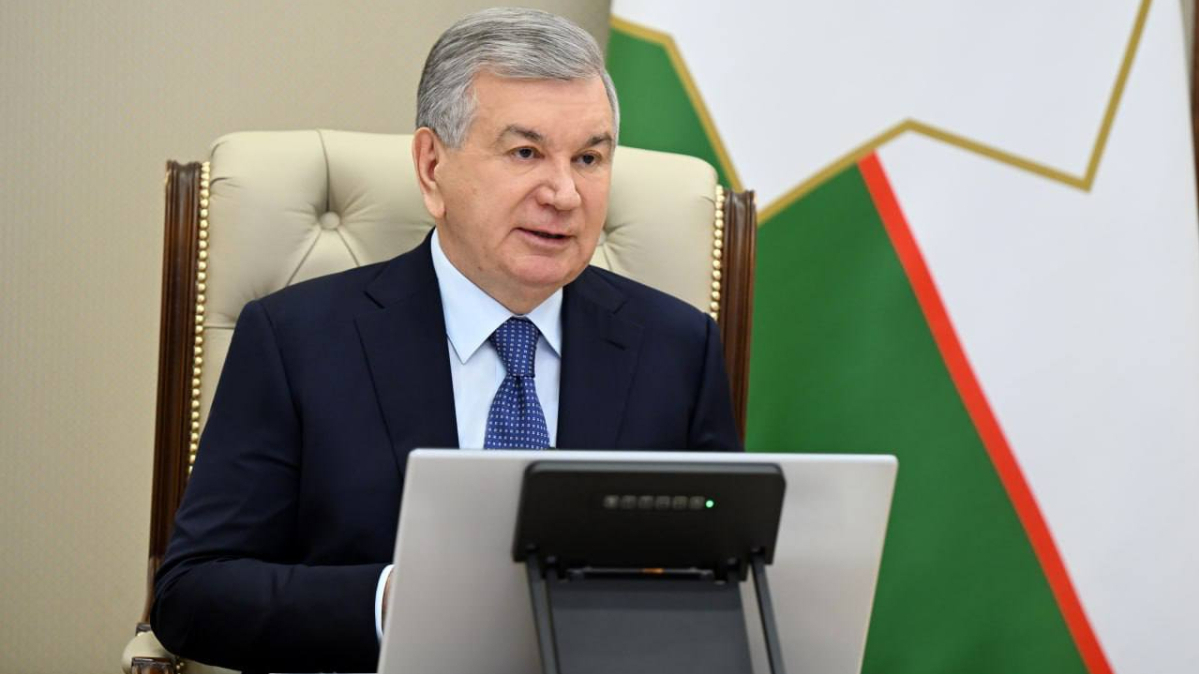
President Mirziyoyev approved the proposed measures and instructed relevant agencies to prepare the necessary legislation.





















What is your opinion on this topic?
Leave the first comment