Peace only reliable guarantee of Armenia's security - Armenia
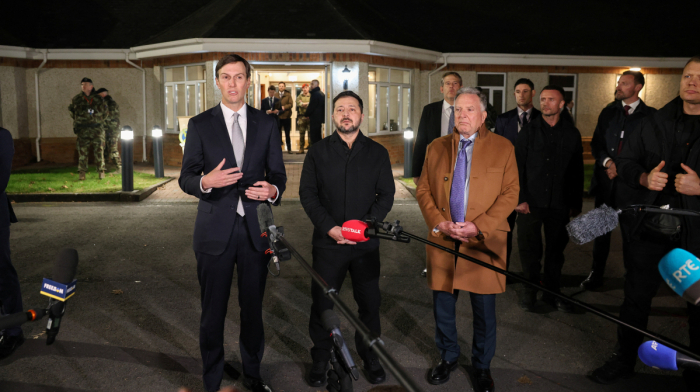
Peace is Armenia’s only reliable guarantee of security, Armenian Prime Minister Nikol Pashinyan has said in comments in Dublin, where he also...
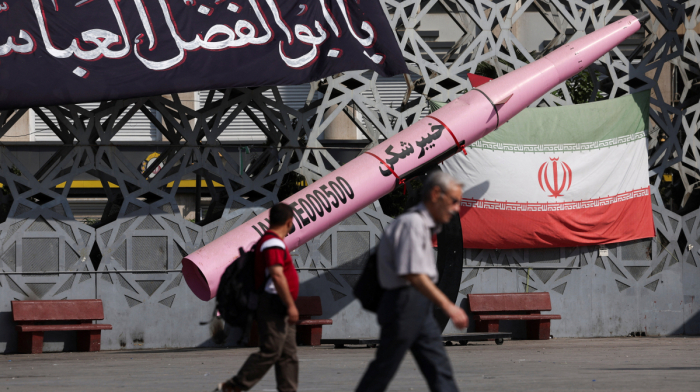
Iran reacted to the UN Security Council resolution condemning attacks on U.S. bases in regional countries, saying it neglected Tehran’s right to self-defence and demonstrated that the world body is being misused as an instrument to serve Washington’s interests.
“The UNSC resolution on Iran is ultra vires and utterly unlawful; nothing can override a nation’s inherent right to self-defence,” the state IRNA news agency quoted Foreign Ministry spokesman Esmaeil Baghaei as saying on Thursday.
The move, he added, “signals a profound deterioration of the UNSC system as a result of the United States’ instrumentalisation of the Council for its unlawful interests and malign whims.”
“The Council should have unequivocally and firmly condemned the American–Israeli aggression against Iran. Instead, it condemned Iran!” the spokesman said.
The Israel–U.S. war on Iran is nearly two weeks old, and the warring parties have intensified exchanges of tit-for-tat attacks as well as rhetorical threats.
Iranian officials have issued stern warnings following U.S. President Donald Trump’s statement about possible strikes on the Islamic Republic’s energy infrastructure.
The spokesman for Khatam al-Anbiya Central Headquarters, Ebrahim Zolfaqari, warned that any attack on Iran’s oil and gas facilities or ports would trigger a severe retaliatory response targeting energy infrastructure across the region.
In a statement read on state television, he said: “If such an aggression occurs, all oil and gas infrastructure in the region affiliated with the U.S. and its Western allies will be set ablaze.”
Ali Larijani, Secretary of Iran’s Supreme National Security Council, also warned that the entire region could face a blackout within 30 minutes if Iran’s power grid were attacked.
Responding to Trump’s threat to destroy Iran’s power grid within an hour, Larijani wrote in an Arabic post on X: “The entire region would be blacked out within half an hour.”
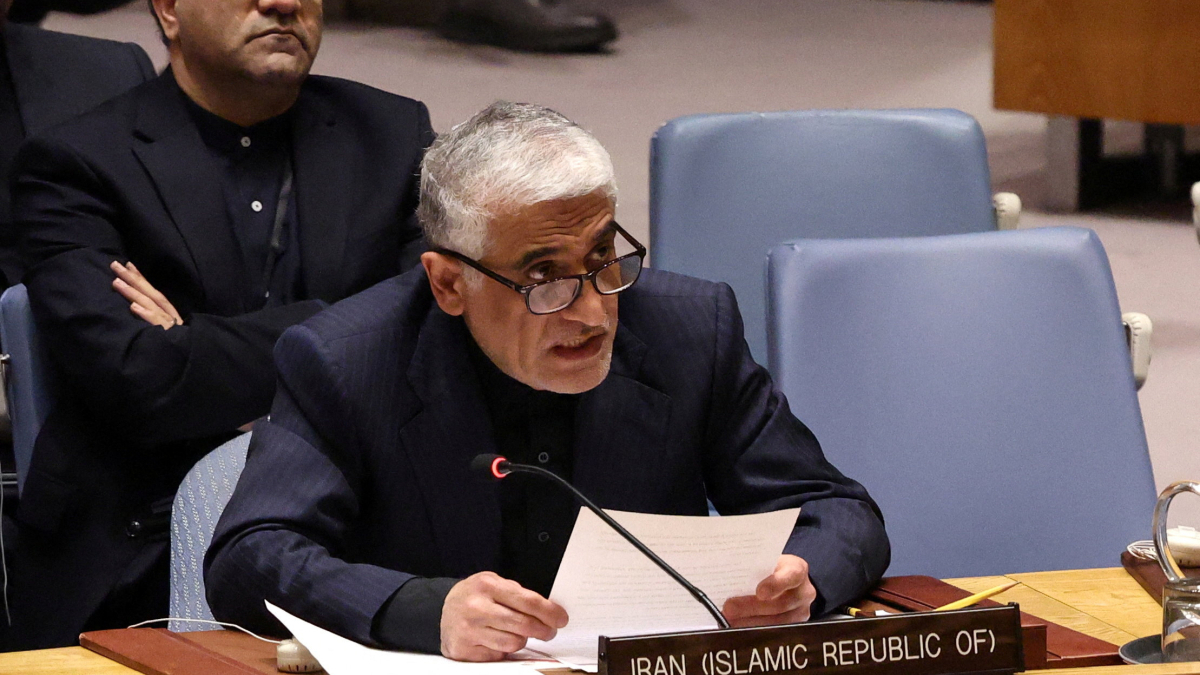
In New York, Iran’s UN mission strongly rejected the UNSC resolution on Wednesday, saying: “We consider it unjust and unlawful, inconsistent with the United Nations Charter and international law.”
“Make no mistake: today it is Iran; tomorrow it could be any other sovereign state,” Ambassador Amir-Saeid Iravani said in a statement, as the U.S.–Israel war against Iran approaches its third week.
Iran’s Assembly of Experts has backed withdrawing from the Nuclear Non-Proliferation Treaty (NPT) and overhauling the country’s defence doctrine, calling both steps essential to national security and deterrence.
President Vladimir Putin agreed on Thursday to let European representatives join the next round of Ukraine peace talks while the United States continues to work towards what could become the largest prisoner exchange of the Russia-Ukraine war.
Microsoft struggled to restore its services on Friday after a major outage disrupted Outlook, Teams and Copilot across the United States and Asia-Pacific region.
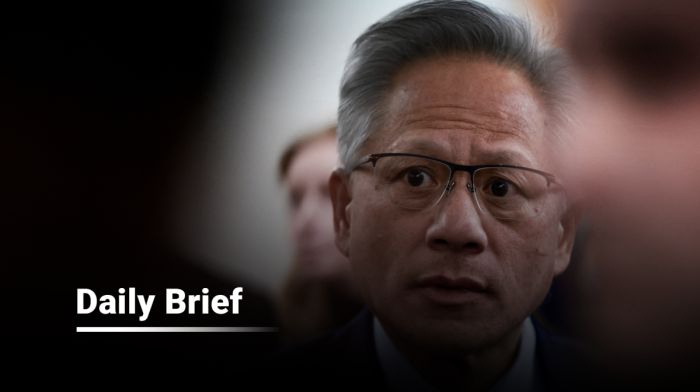
Here's your AnewZ Technology Daily Brief for the 13th of November. This week, a Microsoft outage hit Australian agencies, Google restricted mapping data in South Korea, a lawsuit targeted advanced AI development, and Nvidia faced a leadership crisis after Jensen Huang's resignation.
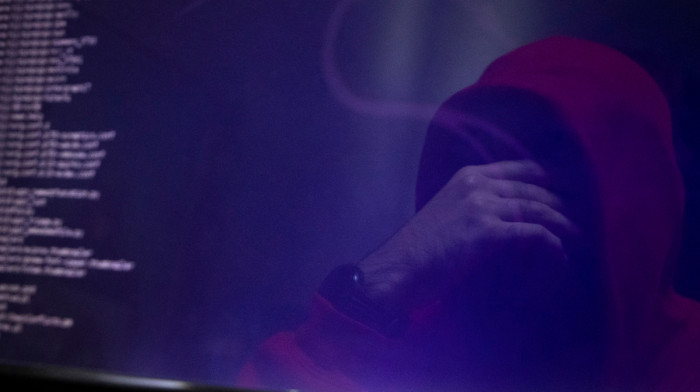
Kazakhstan-linked hackers stole thousands of national security documents from Tajikistan, a cybersecurity company has said.
Peace is Armenia’s only reliable guarantee of security, Armenian Prime Minister Nikol Pashinyan has said in comments in Dublin, where he also commented that the Russian-led Collective Security Treaty Organisation (CSTO) alliance had failed to fulfil its obligations towards Yerevan.
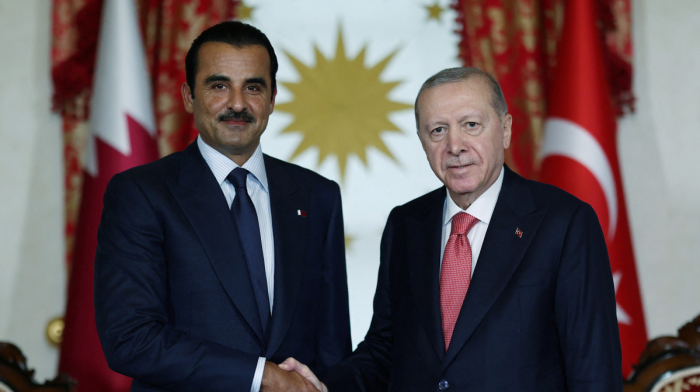
Türkiye and Qatar signed a mutual defence agreement on Friday, November 13, aimed at strengthening collective security and regional stability. The two countries pledged to take a united stance against any external armed attack on either nation.
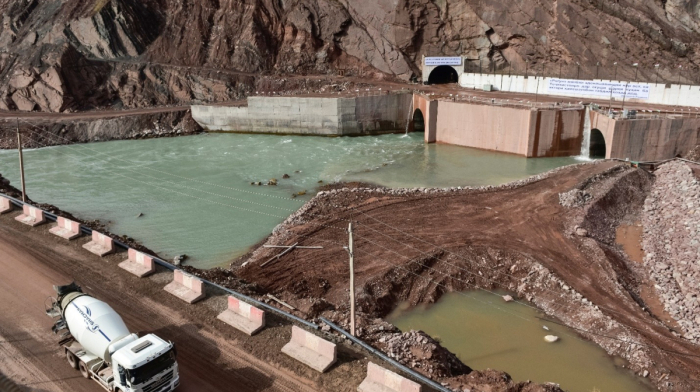
As Central Asia expands its hydropower infrastructure and high-rise construction, seismologists are examining whether large mountain reservoirs could influence earthquake activity. The question is particularly pressing in a region where major cities lie close to active tectonic faults.
As artificial intelligence (AI) becomes part of everyday life, languages with smaller speaker communities risk being left behind. Georgian, spoken by around four million people worldwide, is facing a digital challenge: making sure it is understood by the machines shaping how the world communicates.
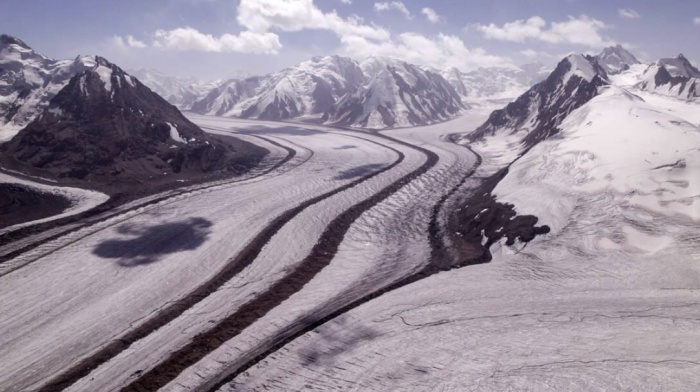
Tajikistan has urged the international community to increase funding to protect shrinking glaciers and help mountain communities adapt to climate change at the COP31 UN climate summit in Antalya, Türkiye.
You can download the AnewZ application from Play Store and the App Store.
What is your opinion on this topic?
Leave the first comment