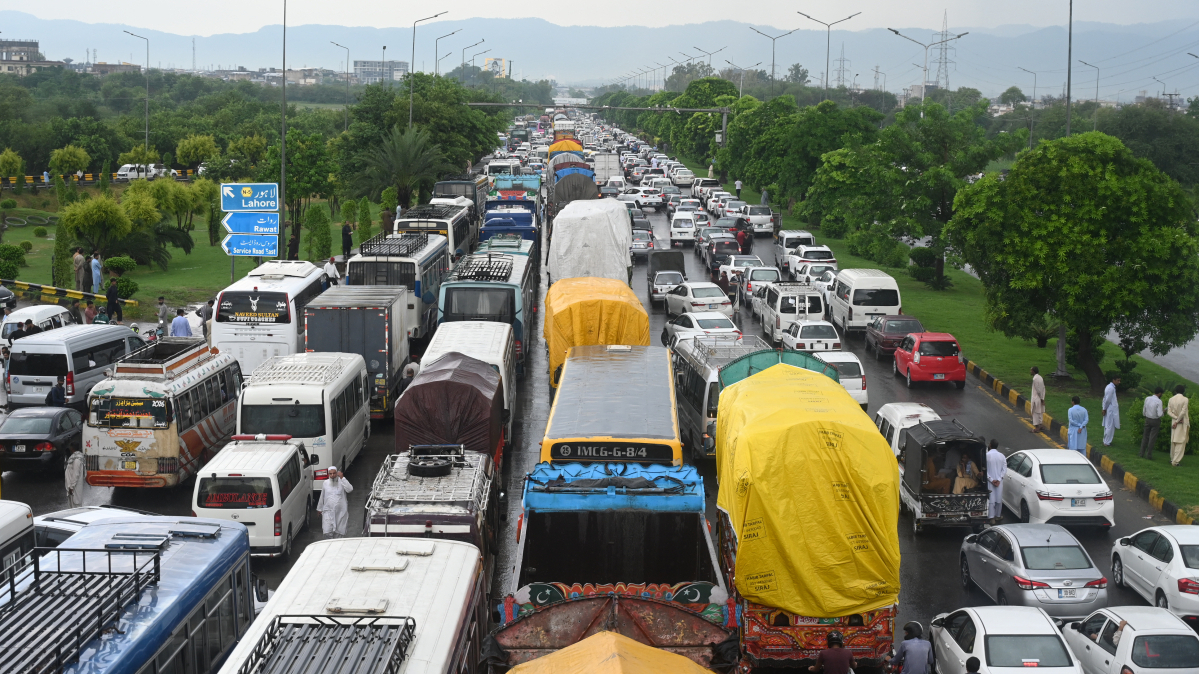
Pakistan is providing targeted relief to millions of people after a sharp rise in global oil prices pushed domestic petrol and diesel prices higher, with disruption around two major Middle East shipping routes adding pressure to the country’s energy supply chain.
Prime Minister Shehbaz Sharif has announced the Special Relief Scheme, providing Rs100, or about $0.36, per litre in petrol relief for motorcycles, rickshaws, Qingqis and vehicles up to 800cc. Two- and three-wheelers can receive the relief on up to 20 litres a month, while small cars qualify for up to 30 litres.
The government estimates around 11.8 million users will benefit.
The latest increase took petrol to about $1.35 per litre, and high-speed diesel to about $1.45, as of 12 September. Since 1 July, petrol has risen by about $0.26, or 24 per cent, while diesel has increased by about $0.31, or 28 per cent. The proposed three-month scheme is estimated to cost about $270 million.
Hormuz disruption raises Pakistan’s import costs
The pressure begins far beyond Pakistan’s borders.
The Strait of Hormuz, the main maritime gateway out of the Persian Gulf, normally carries around 20 per cent of global crude oil and supplies of liquified natural gas (LNG). Shipping through the waterway has fallen sharply during the conflict, while higher freight, insurance and tanker costs have added to the cost of moving energy.
Pakistan is particularly exposed. The government's Petroleum Division has said the majority of the country’s energy supplies transit through Hormuz. Islamabad has therefore sought alternative supply arrangements, including Saudi crude through Yanbu, a Red Sea port that bypasses Hormuz.
Pakistani refiners have also been looking beyond traditional Gulf supplies. Cnergyico has increased U.S. crude imports, part of a broader effort to diversify supplies after the disruption exposed the risks of relying heavily on one region and shipping route.
Bab el-Mandeb creates a second chokepoint risk
The crisis is now extending to the Bab el-Mandeb Strait, linking the Red Sea with the Gulf of Aden.
Houthi forces have reached Perim Island, a strategically located island at the mouth of the waterway. The development has raised fresh concerns over the security of one of the world's key maritime routes.
Bab el-Mandeb has not been shut, and shipping volumes have remained relatively stable. But the risk matters because the route carries energy and other commercial traffic between the Red Sea and the Indian Ocean.
Saudi Arabia’s East-West pipeline, another alternative to moving oil through Hormuz, has also faced disruption following a drone attack.
From expensive fuel to energy security
For Pakistan, the immediate impact is being felt at the petrol pump. The deeper concern is whether an already expensive supply chain remains secure if disruption around Hormuz and Bab el-Mandeb continues.
The government says it is working to avoid fuel “dry-outs”, while Pakistan's earlier efforts to secure alternative routes and diversify crude supplies show how quickly an international shipping crisis can become a domestic energy problem.
With Brent crude above $107 a barrel, the longer the disruption lasts, the harder it becomes for Islamabad to absorb the shock without passing more of the cost on to consumers.
Read more:
















What is your opinion on this topic?
Leave the first comment