Syria says it has taken major steps to resolve long-running concerns over its nuclear programme, marking what officials describe as the beginning of a new phase of cooperation with the International Atomic Energy Agency (IAEA).
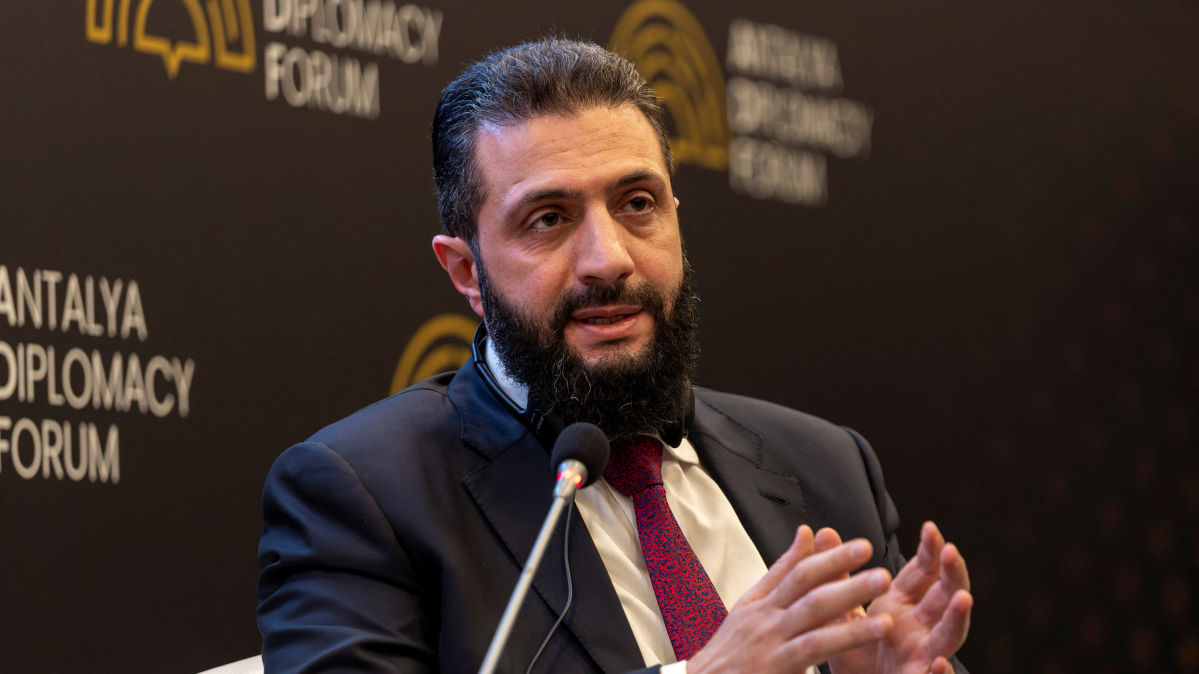
Speaking at the IAEA's General Conference, Syrian Foreign Minister Asaad al-Shaibani announced that approximately 73 tonnes of natural uranium have been placed under international supervision and safeguards
The material will remain in Syria but will now be monitored under arrangements agreed with the UN nuclear watchdog.
The move comes after years of scrutiny over Syria's nuclear activities and follows renewed engagement between Damascus and the IAEA aimed at addressing outstanding concerns that have persisted for more than a decade.
Damascus seeks a fresh start
Syrian officials say the country has worked in recent months to increase transparency regarding its nuclear-related activities and facilities.
According to al-Shaibani, cooperation with the IAEA has accelerated significantly, including the disclosure of nuclear material at a previously undeclared location and the provision of reports and technical information requested by the agency.
The Syrian government argues that these measures helped pave the way for the closure of a longstanding compliance dispute that has overshadowed its relations with the international nuclear watchdog since 2011.
Damascus views the development as an opportunity to rebuild confidence with international institutions and demonstrate its willingness to operate within recognised global nuclear safeguards.
As part of the renewed cooperation, Syrian authorities have opened previously restricted sites to international inspectors.
One of the most significant steps involved allowing IAEA officials access to facilities in Deir ez-Zor, an area long associated with questions surrounding Syria's nuclear history.
Experts from Syria and the IAEA have begun examining remnants of infrastructure at the site and assessing materials that remained unresolved from earlier investigations.
The increased access is being seen as a significant confidence-building measure after years during which inspections and cooperation were limited.
Focus on civilian nuclear uses
Syrian officials insist the country's nuclear ambitions are centred on civilian and developmental applications rather than military purposes.
Damascus says it intends to use nuclear technologies to strengthen healthcare services, particularly cancer treatment through nuclear medicine, while also expanding applications in agriculture, water management and scientific research.
Officials have also highlighted the potential use of isotope technologies to support food safety monitoring and environmental management.
The government argues that access to peaceful nuclear technology could play an important role in rebuilding sectors damaged by years of conflict and economic hardship.
Alongside its domestic commitments, Syria has renewed calls for wider nuclear oversight across the Middle East.
Damascus is advocating for the creation of a region free from nuclear weapons and other weapons of mass destruction, arguing that all nuclear facilities in the region should be subject to comprehensive international monitoring.
Syrian officials have framed their recent cooperation with the IAEA as evidence of support for a more transparent regional nuclear framework.
Security concerns remain
Despite presenting a more cooperative approach on nuclear matters, Syria continues to raise concerns about regional security.
Al-Shaibani used his address to criticise Israeli military operations in Syrian territory, arguing that continued violations undermine stability and international law.
He called for increased diplomatic efforts to reduce tensions and prevent further escalation, warning that unresolved security disputes could threaten broader regional peace.
For Syria, the latest developments represent more than a technical nuclear issue. They are part of a broader effort to reintegrate into international diplomacy after years of isolation.
By increasing cooperation with the IAEA and placing nuclear materials under international safeguards, Damascus is seeking to demonstrate a commitment to transparency and peaceful nuclear activities.
Read More:










What is your opinion on this topic?
Leave the first comment