A restaurant payment with a Visa card in Damascus has become a symbol of Syria’s reconnection with the global financial system.
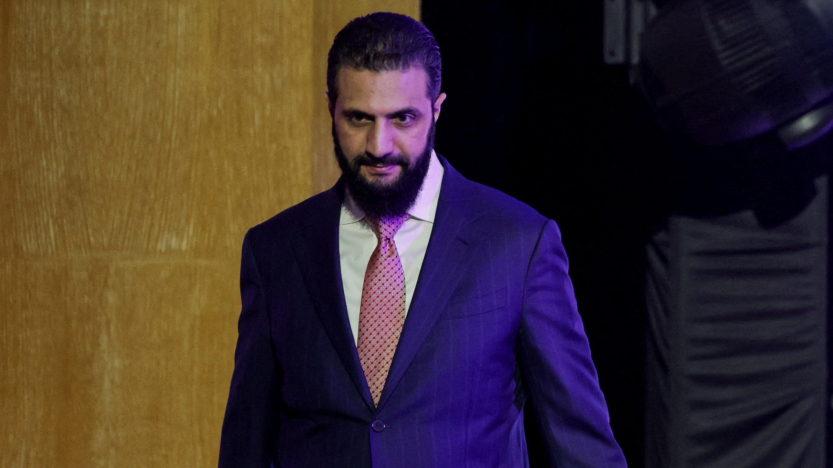
President Ahmed al-Sharaa used a Visa card to make an electronic payment at a restaurant in Old Damascus on Wednesday, in a transaction filmed and broadcast by Syria TV. Central Bank of Syria Governor Safwat Raslan was present.
The moment came as international sanctions on Syria are being rolled back and the country seeks to rebuild an economy that has spent years largely cut off from global markets.
Visa tests international payment
Visa said on Thursday that it had successfully completed a live international card transaction in Syria, describing the test as a significant step towards allowing foreign visitors to use Visa cards in the country.
The company said the transaction was carried out in partnership with Syria’s central bank, Fransabank and Paymera.
Visa said the development would help expand digital payments and strengthen Syria’s links to the global digital economy.
For ordinary Syrians and international visitors, wider access to electronic payments could eventually make everyday transactions easier and reduce the country’s reliance on cash.
New economic chapter
The payment came as al-Sharaa spoke at the opening of the 63rd Damascus International Fair, where he presented Syria as entering a new period of reconstruction following the lifting of sanctions.
He said he hoped Syria could once again serve as a "bridge between markets", a trade corridor and an economic hub connecting East and West.
The government faces a formidable task. Years of war, sanctions and economic isolation have damaged infrastructure, weakened financial institutions and restricted Syria’s access to international trade and investment.
The reopening of financial channels is therefore an important part of any broader economic recovery.
Sanctions relief
The latest developments follow a series of steps by Washington to ease restrictions on Syria.
The U.S. Treasury Department announced on Monday (24 August) that it had removed Syria from its list of state sponsors of terrorism, fulfilling a commitment by the Trump administration to provide sanctions relief.
Syria had been on the list since 1979.
The removal does not by itself resolve the country's deep economic problems, but it represents a major shift after decades of isolation.
Against that backdrop, al-Sharaa's restaurant payment was more than a routine card transaction: it offered a small, visible sign of Syria's effort to reconnect with a financial system from which it has long been largely shut out.
Read more about Syria:











What is your opinion on this topic?
Leave the first comment