Most people meet artificial intelligence (AI) through a phone. It suggests the next word, sorts the photos, flags the odd charge on a bank card. But the technology has been quietly moving into places where mistakes cost more: the systems that run banks, hospitals, businesses and government offices.
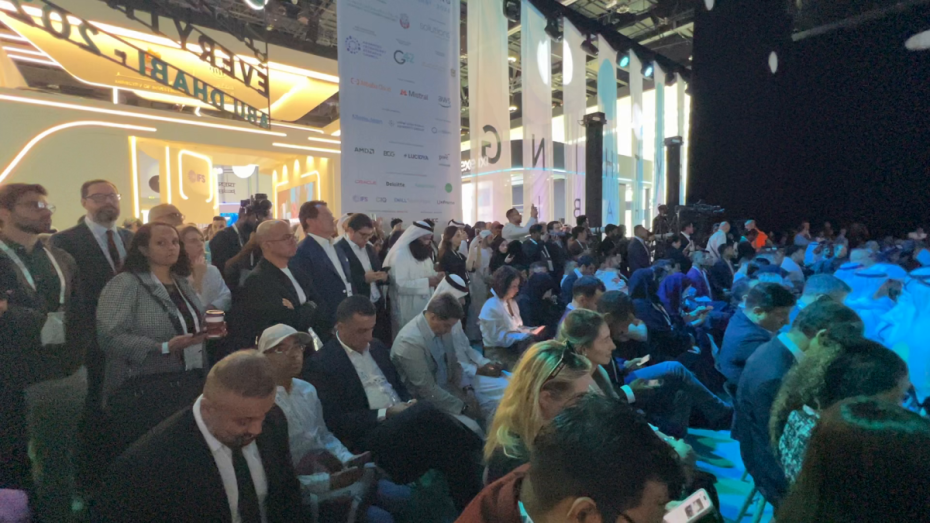
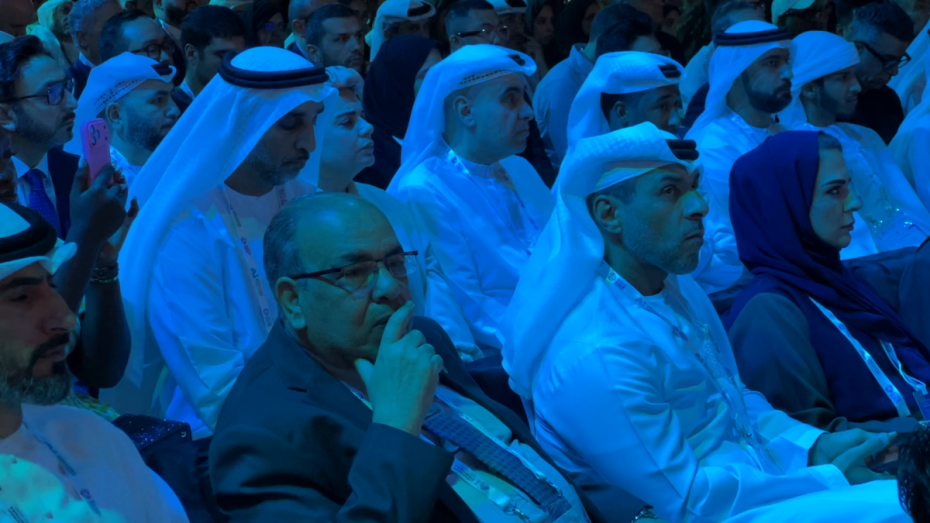
That move is the theme of AI Everything Abu Dhabi, which opened today at the Abu Dhabi National Exhibition Centre and runs through to the 7 October.
More than 400 companies and organisations from 60 countries are taking part, including more than 150 startups and 200 investors. Abu Dhabi bills it as the world's largest AI-first exhibition and summit. Yet the pitch this year is less about dazzling demos and more about a plainer question: can this stuff actually be plugged into the way things already work, safely, and used every day?
Answering that takes a lot of unglamorous groundwork. The conference programme looks at the computing power, data centres, energy, networks, security and skilled people that AI depends on, and how that plays out in finance, healthcare, energy, transport, manufacturing, retail and government.
The host city has its own example to point to. Abu Dhabi's TAMM platform links more than 1,200 government and private-sector services in one place, giving residents a more direct route to them. AI and data sit closer to the centre of how those services are delivered.
Organisers also describe a new kind of “digital workforce”. One digital worker on show is said to deliver around $3 million in annual savings. Other tools are built to support about 35,000 government employees. Numbers such as these invite an obvious question about what happens to jobs when AI stops merely helping people finish tasks and starts doing more of them itself.
Healthcare gets its own spotlight. Exhibitors are showing AI-designed drugs, clinical systems that work in Arabic and other digital health applications. One AI-powered patient safety system is reported to connect every hospital in Abu Dhabi and serve more than 60,000 users.
Looking ahead, much of the buzz is about agentic AI: software that, within permissions it has been given, can plan a task, work with other systems and take action, rather than just answering a question.
All of it runs on heavy machinery. AI needs vast computing capacity, data centres, telecoms, cooling and dependable power, which is why access to compute and energy has become a real point of competition between countries and tech companies.
Money is the other half of that race. More than 200 global investors are attending the event's investment programme, which aims to put startups in front of capital, business partners and room to grow.
The harder test comes once the stands are packed away. Abu Dhabi will have to turn two days of demonstrations and conversations into investments, companies, research, government projects and services that people actually use.
That is where the global AI race is heading: away from proving the technology works, and toward proving it can run securely, efficiently and at scale. This week in Abu Dhabi, the attempt is on display.
Read more:















What is your opinion on this topic?
Leave the first comment