Peace only reliable guarantee of Armenia's security - Armenia
Peace is Armenia’s only reliable guarantee of security, Armenian Prime Minister Nikol Pashinyan has said in comments in Dublin, where he also...
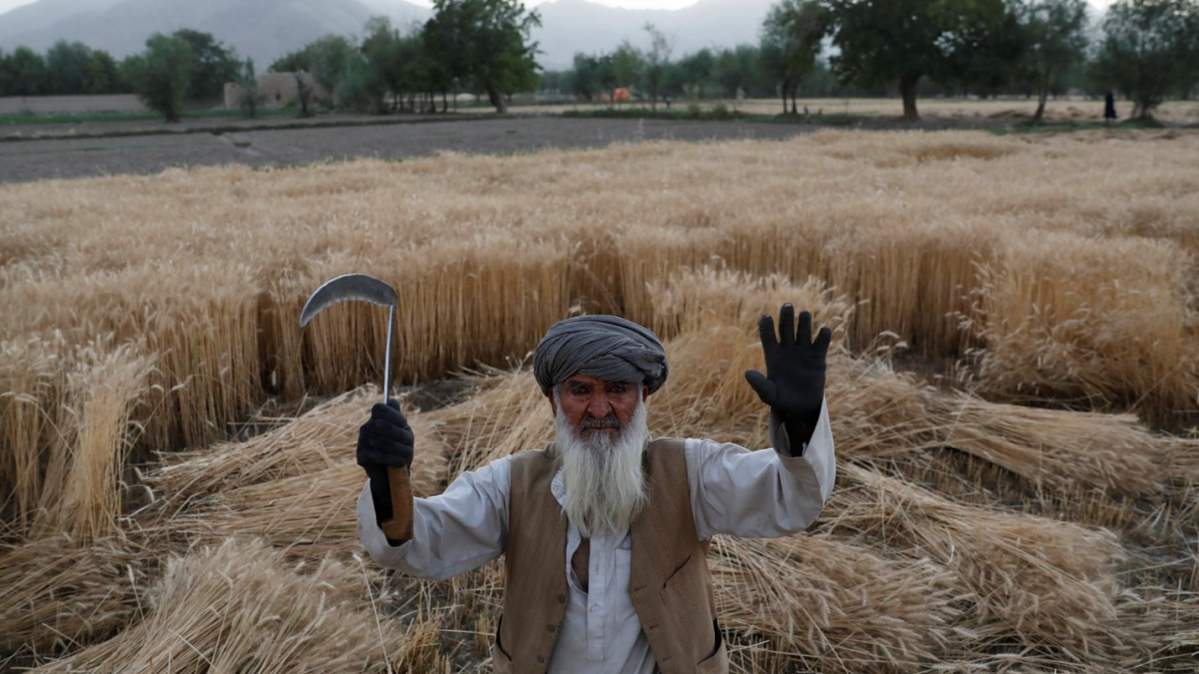
The European Union and the Food and Agriculture Organization of the United Nations (FAO) have launched a $5.7 million initiative in Afghanistan to help farmers reach markets, strengthen agribusinesses and withstand climate and economic shocks.
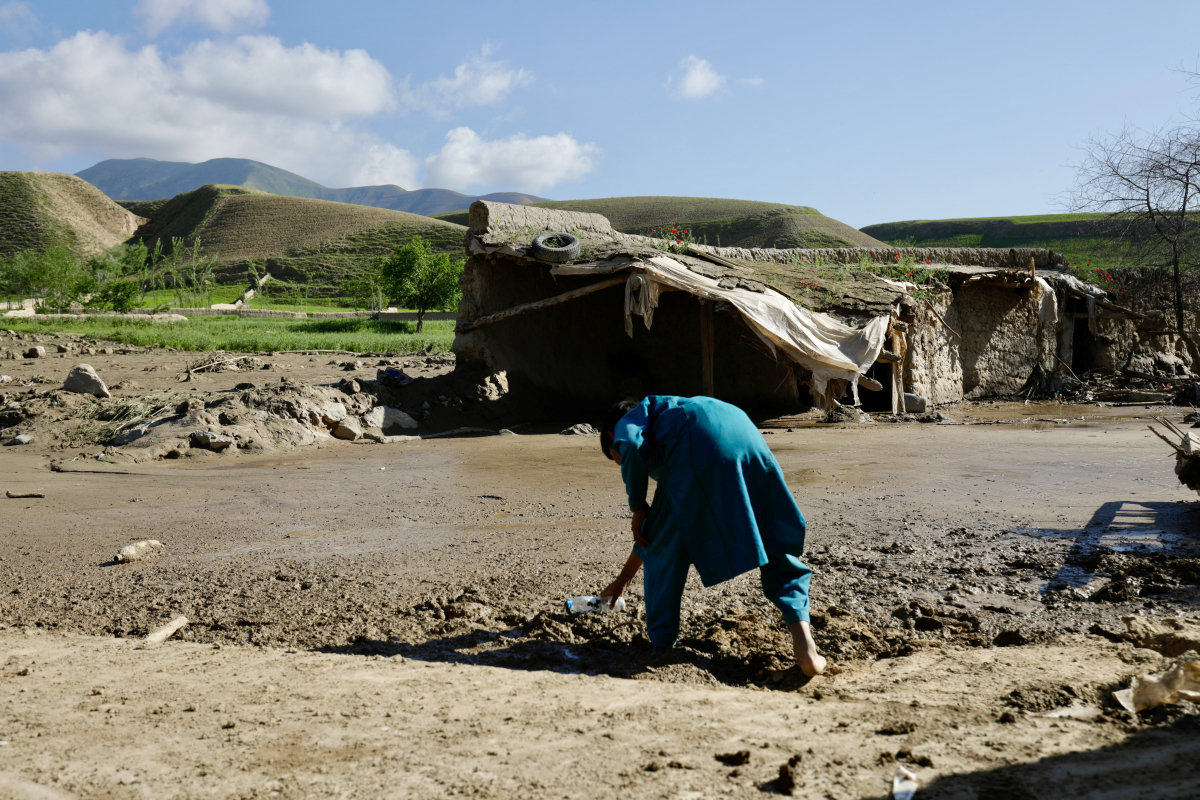
The initiative will target vulnerable households, including returnees, internally displaced people and host communities in districts facing food and nutrition insecurity, climate risks and limited economic opportunities.
According to FAO, women and young people will be among those particularly targeted by the programme.
Four one-stop service hubs will be established to connect farmers and rural entrepreneurs with agricultural advice, specialised services, agribusinesses and markets.
The hubs will also give farmers access to FAO climate analysis and early-warning information to help them make production and marketing decisions.
Nicola Bellomo, the European Union’s new Chargé d’Affaires for Afghanistan, said the funding reflected the bloc’s continued support for Afghans.
“The European Union’s contribution to FAO demonstrates our continued commitment to food security and economic empowerment of the Afghan people,” Bellomo said.
He said Afghanistan’s agricultural sector continued to face climate-related challenges.
“Afghanistan’s agricultural potential remains undervalued and constrained by the country’s extreme climate vulnerability,” Bellomo added.
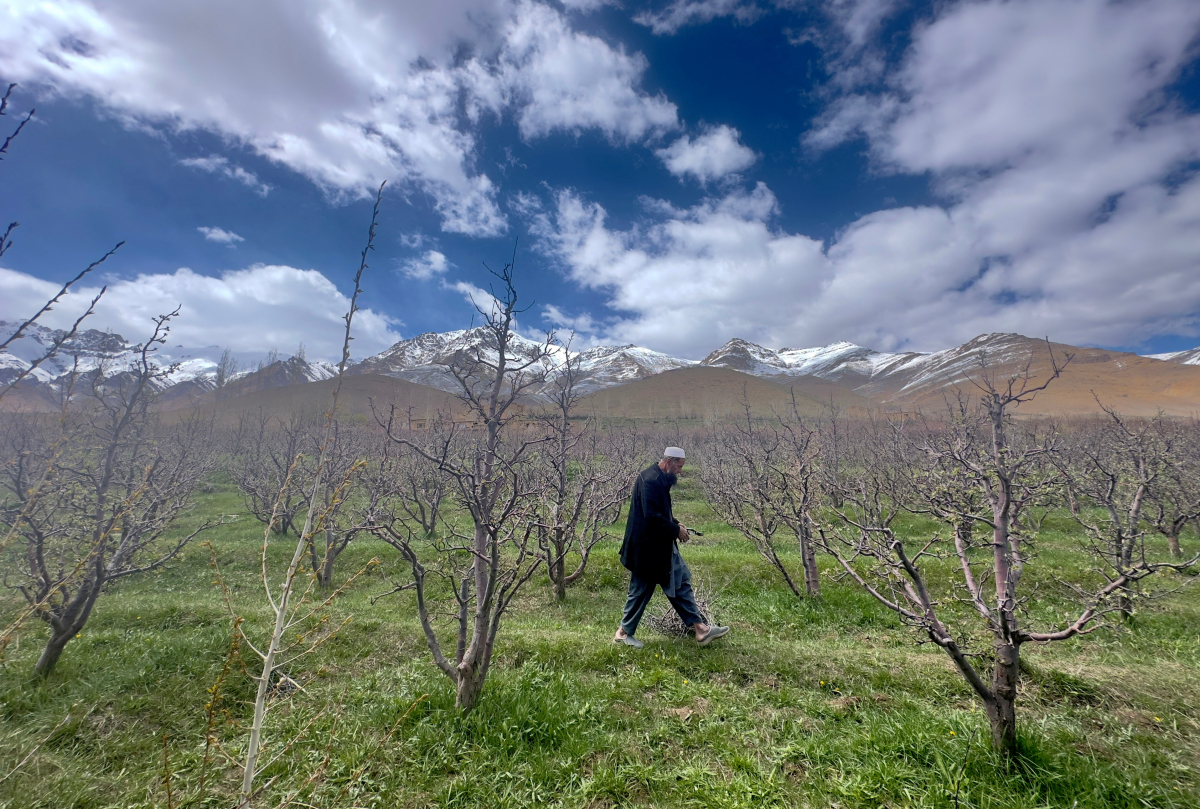
The initiative will restore 2,000 hectares, or 20 square kilometres, of degraded forests and rangelands and support 250 women- and community-led nurseries, according to FAO.
The UN organisation will also provide matching grants and technical and business advice to selected agrifood and environmentally sustainable enterprises. Businesses will contribute their own resources alongside project funding.
Richard Trenchard, the FAO Representative in Afghanistan, said agrifood businesses had shown potential to expand despite difficult conditions.
“As we pivot away from largely humanitarian programmes towards more sustainable approaches, Afghanistan’s agrifood businesses have demonstrated real potential to grow, create jobs and connect farmers to markets, even in a highly challenging environment,” Trenchard said.
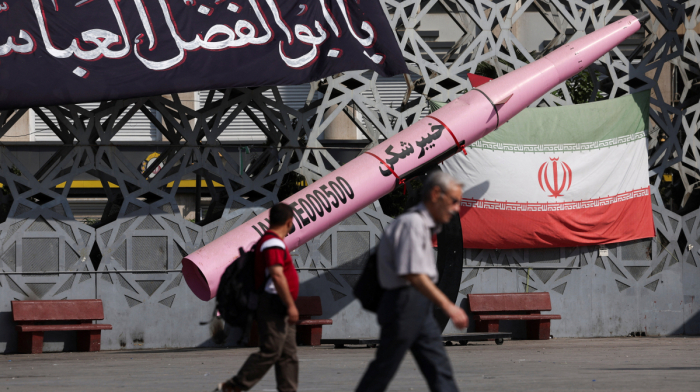
Iran’s Assembly of Experts has backed withdrawing from the Nuclear Non-Proliferation Treaty (NPT) and overhauling the country’s defence doctrine, calling both steps essential to national security and deterrence.
President Vladimir Putin agreed on Thursday to let European representatives join the next round of Ukraine peace talks while the United States continues to work towards what could become the largest prisoner exchange of the Russia-Ukraine war.
Microsoft struggled to restore its services on Friday after a major outage disrupted Outlook, Teams and Copilot across the United States and Asia-Pacific region.
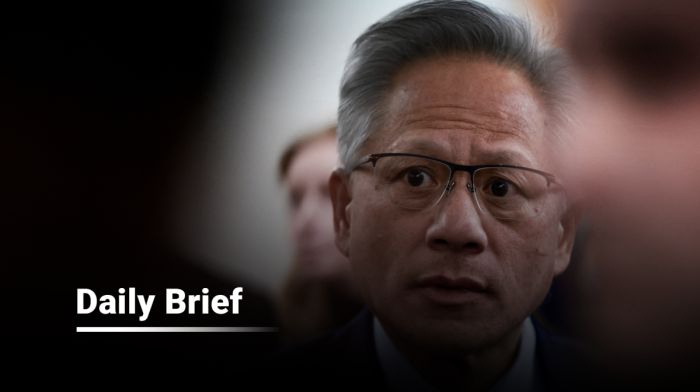
Here's your AnewZ Technology Daily Brief for the 13th of November. This week, a Microsoft outage hit Australian agencies, Google restricted mapping data in South Korea, a lawsuit targeted advanced AI development, and Nvidia faced a leadership crisis after Jensen Huang's resignation.
Kazakhstan-linked hackers stole thousands of national security documents from Tajikistan, a cybersecurity company has said.
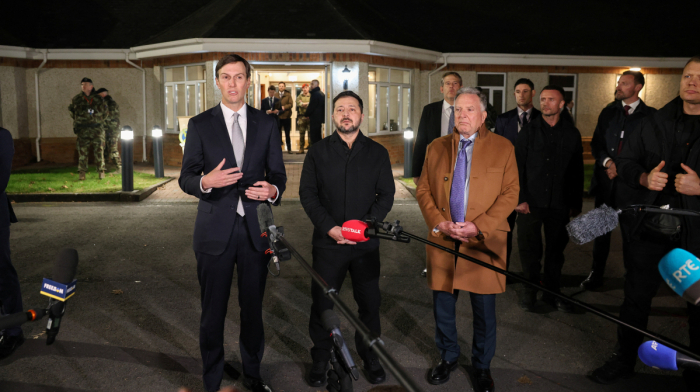
Peace is Armenia’s only reliable guarantee of security, Armenian Prime Minister Nikol Pashinyan has said in comments in Dublin, where he also commented that the Russian-led Collective Security Treaty Organisation (CSTO) alliance had failed to fulfil its obligations towards Yerevan.
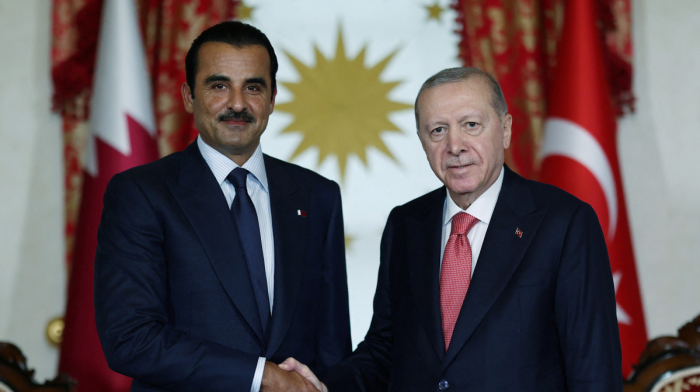
Türkiye and Qatar signed a mutual defence agreement on Friday, November 13, aimed at strengthening collective security and regional stability. The two countries pledged to take a united stance against any external armed attack on either nation.
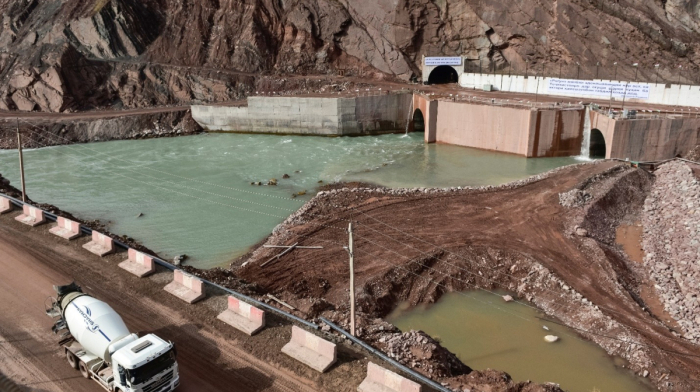
As Central Asia expands its hydropower infrastructure and high-rise construction, seismologists are examining whether large mountain reservoirs could influence earthquake activity. The question is particularly pressing in a region where major cities lie close to active tectonic faults.
As artificial intelligence (AI) becomes part of everyday life, languages with smaller speaker communities risk being left behind. Georgian, spoken by around four million people worldwide, is facing a digital challenge: making sure it is understood by the machines shaping how the world communicates.
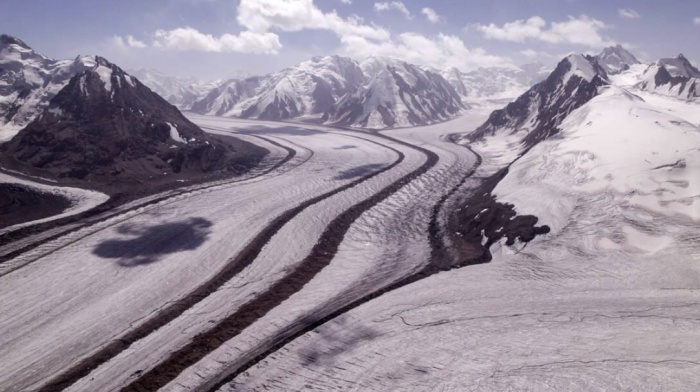
Tajikistan has urged the international community to increase funding to protect shrinking glaciers and help mountain communities adapt to climate change at the COP31 UN climate summit in Antalya, Türkiye.
You can download the AnewZ application from Play Store and the App Store.
What is your opinion on this topic?
Leave the first comment