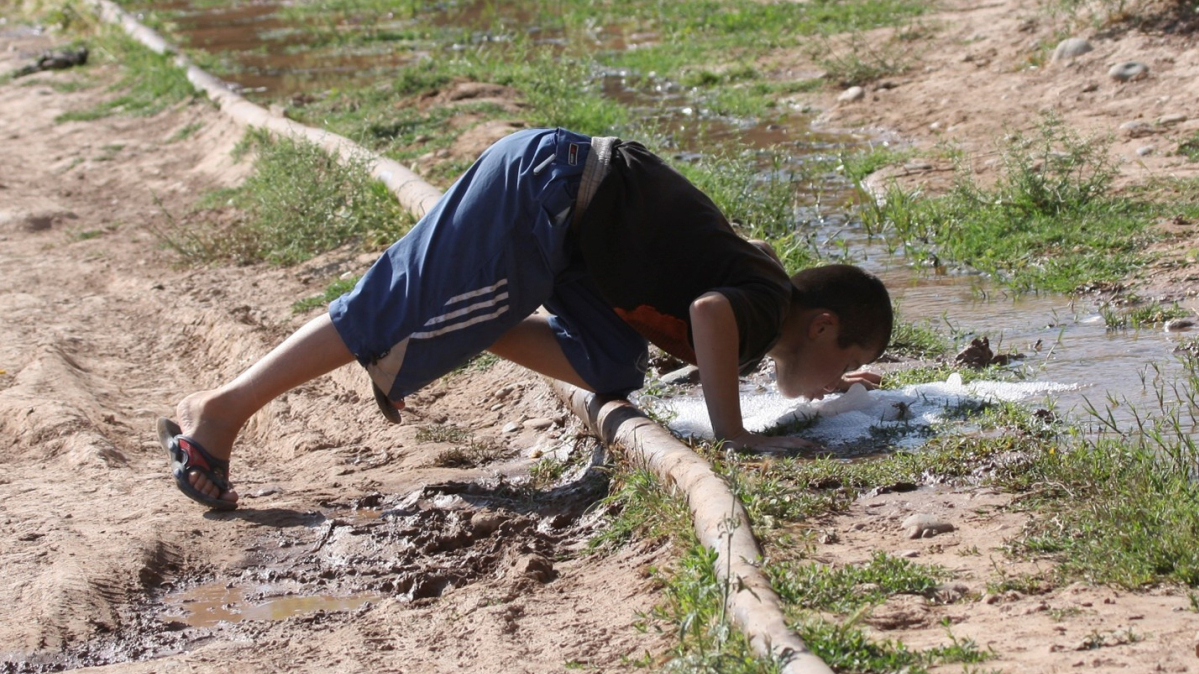
Five Central Asian states are launching a $30 million programme to tackle water scarcity and land degradation, as climate pressures and rising demand sharpen risks across the region.
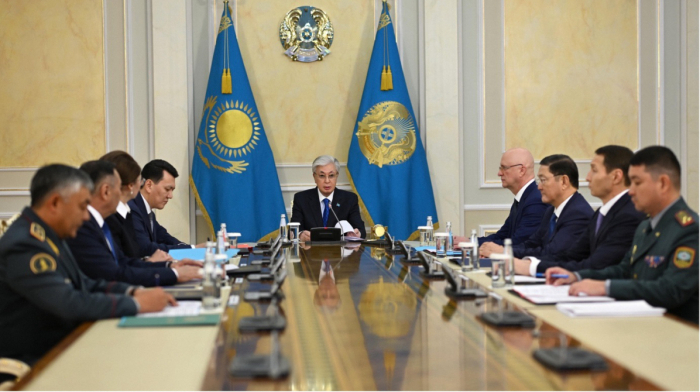
Turkmenistan, Kazakhstan, Kyrgyzstan, Uzbekistan and Tajikistan are preparing to roll out the Central Asia Water and Land Nexus (CAWLN), a regional initiative designed to deliver a more coordinated approach to managing increasingly strained natural resources. The programme is due to be formally presented at the 8th Global Environment Facility Assembly, taking place in Samarkand from 30 May to 6 June.
Backed by the Food and Agriculture Organization of the United Nations, the initiative reflects growing recognition across the region that fragmented national policies are no longer sufficient to address mounting environmental pressures. Governments are instead turning towards joint frameworks that recognise how closely water, agriculture and ecosystems are interconnected.
River basins under strain
The focus will be on the basins of the Amu Darya and Syr Darya, which supply water to roughly 80% of Central Asia’s population of more than 84 million people. These rivers underpin not only irrigation but also energy systems and broader economic activity, leaving the region acutely exposed to any disruption in supply.
The programme is built around what policymakers describe as a nexus approach, aimed at aligning the management of water, land and ecosystems rather than treating them in isolation. In practice, this is expected to include restoring degraded farmland, addressing desertification, protecting forests and biodiversity, and improving resilience to climate change.
Restoration and regional cooperation
Pilot projects are also planned, particularly in areas where environmental damage has been most severe. This includes agroforestry and sustainable land management initiatives in the region surrounding the Aral Sea, long regarded as one of the starkest examples of ecological decline in the former Soviet space. Alongside this, the programme envisages creating platforms to share expertise and policy experience across borders.
Officials say the initiative should help improve water-use efficiency, restore degraded land and strengthen food security. However, the broader context remains challenging. Central Asia faces a tightening combination of climate change, population growth and persistent weaknesses in water governance.
Data from the New Lines Institute indicates that water availability per person in the region has fallen by more than threefold over the past four decades, from 8,400 to 2,500 cubic metres a year. In a report published in February 2026, the institute warned that water scarcity is emerging as a central threat to both economic development and regional stability.
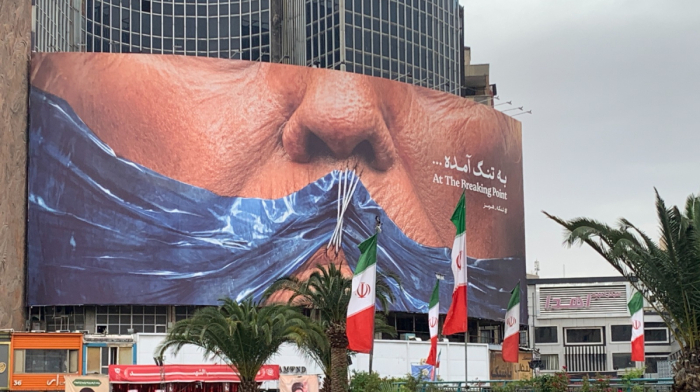
Against this backdrop, some analysts argue that, without more decisive reforms, major cities could face shortages comparable to those seen in Tehran.














What is your opinion on this topic?
Leave the first comment