Europe and Ukraine's leaders will speak to U.S. President Donald Trump at a virtual meeting on Wednesday ahead of his summit with Russia's Vladimir Putin, as they try to drive home the perils of selling out Kyiv's interests in pursuit of a ceasefire.
Trump hosts Putin at talks in Alaska on Friday that the U.S. president has said will serve as a "feel-out" meeting in his efforts to end the Russo-Ukraine war.
Trump agreed last week to the first U.S.-Russia summit since 2021, abruptly shifting course after weeks of voicing frustration with Putin for resisting the U.S. peace initative. Trump said his envoy had made "great progress" at talks in Moscow.
The U.S. president says both Kyiv and Moscow will have to cede land to end the war. Russian troops have already occupied almost a fifth of Ukraine.
The unpredictability of how the summit will play out has fuelled European fears that the U.S. and Russian leaders could take far-reaching decisions and even seek to coerce Ukraine into an unfavourable deal.
"We are focusing now to ensure that it does not happen - engaging with U.S. partners and staying coordinated and united on the European side. Still a lot of time until Friday," said one senior official from eastern Europe.
Trump's administration tempered expectations on Tuesday for major progress toward a ceasefire, calling his meeting with Putin in Alaska a "listening exercise."
The video conference among Trump, Ukraine President Volodymyr Zelenskyy and the leaders of Germany, Finland, France, Britain, Italy, Poland and the European Union is expected to take place at 1200 GMT (1400 CET), a German government spokesperson said.
NATO's secretary general will also attend the conference hosted by German Chancellor Friedrich Merz.
Ukraine hopes the meeting will serve - at least partially - as a European counterweight to the summit in Alaska.
European leaders, who are wary of provoking Trump's ire, have repeatedly emphasised that they welcome his peace efforts, while underlining that there should be no deal about Ukraine without Kyiv's participation.
Half a dozen senior European officials told Reuters that they see a risk of a deal being struck that is unfavourable for Europe and Ukraine's security. They said European unity would be vital if that happened.
A source familiar with internal U.S. deliberations said it could not be ruled out that Trump would seek a deal directly with Putin without involving Ukraine or Europe. But the source voiced doubt about that, saying it could cause problems with Kyiv and the EU.
White House press secretary Karoline Leavitt told reporters on Tuesday the summit will be a "listening exercise" for Trump to hear what it will take to get to a deal.
After the call, Trump and Vice President JD Vance were expected to speak to European leaders at a separate online meeting at 1300 GMT (1500 CET), the German spokesperson said.
That will be followed at 1430 GMT by an online meeting of the "coalition of the willing", a group of countries working on plans to support Ukraine in the event of a ceasefire.
MOUNTING BATTLEFIELD PRESSURE
A Gallup poll released last week found that 69% of Ukrainians favour a negotiated end to the war as soon as possible. But polls also show Ukrainians do not want peace at any cost if that means crushing concessions.
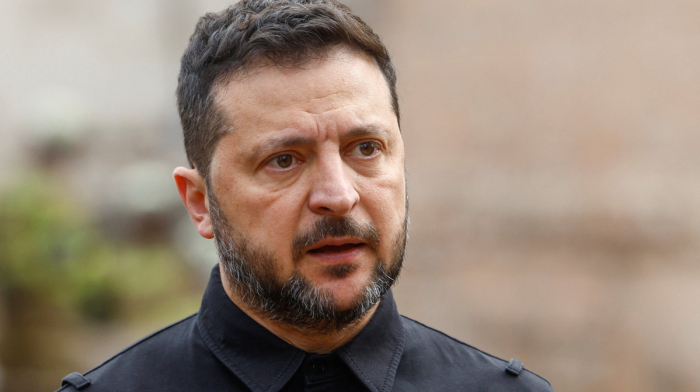
Ahead of the calls, Zelenskyy said it would be impossible for Kyiv to agree to a deal that would require it to withdraw its troops from the eastern Donbas region, a large swathe of which is already occupied by Russia.
That, he told reporters on Tuesday, would deprive Ukraine of a vast defensive network in the region, easing the way for Russia to mount a new push deeper into Ukraine in the future.
Territorial issues, he added, could only be discussed once a ceasefire has been put in place and Ukraine has received security guarantees.
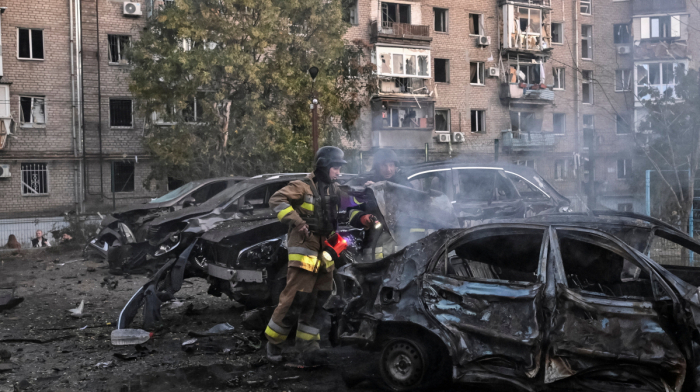
Moscow's troops have recently ramped up pressure on the battlefield, tightening their stranglehold on the cities of Pokrovsk and Kostyantynivka in eastern Ukraine.














What is your opinion on this topic?
Leave the first comment