Baku-Yerevan peace process gains urgency ahead of Armenian elections
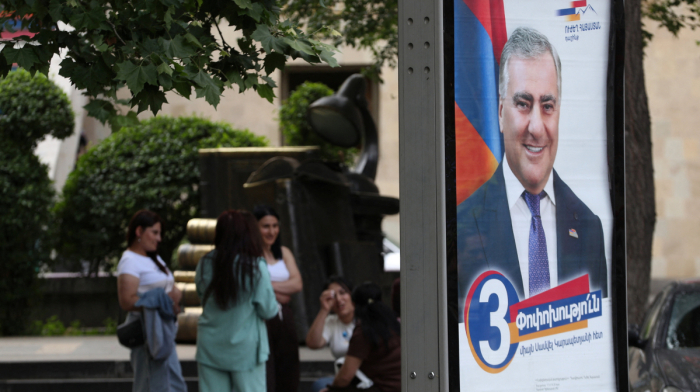
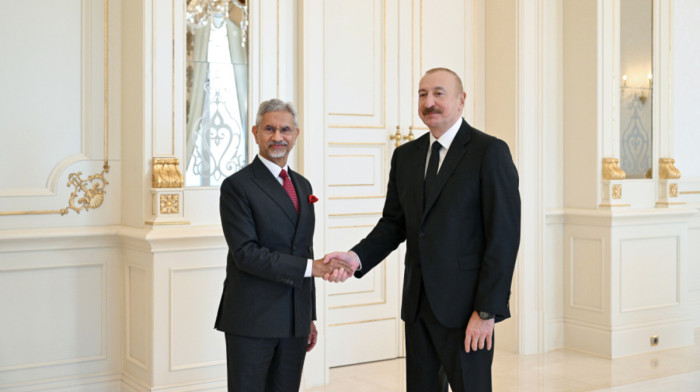
The prospect of a lasting peace between Azerbaijan and Armenia has gained renewed significance as Armenia approaches a pre-election period marked b...
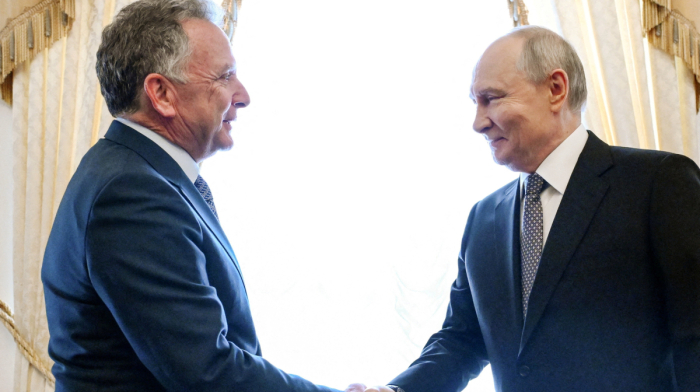
U.S. President Donald Trump has announced that he will send special envoy Steve Witkoff to Russia to meet President Vladimir Putin, aiming to resolve remaining differences in a peace framework for Ukraine.
Kyiv has expressed support for the core elements of the proposal, while the United States described the talks as making progress.
The initiative follows a recent Geneva meeting where U.S. and Ukrainian negotiators discussed Trump’s original 28-point plan, which faced criticism in Ukraine for appearing to favour Russian demands, including territorial concessions and military restrictions.
The revised framework reportedly addresses Ukrainian and European concerns, allowing Kyiv to retain its armed forces and maintain the option of NATO membership.
Speaking to an international coalition of 30 countries backing Ukraine, President Volodymyr Zelenskyy said Kyiv is ready to move forward with the framework, though some sensitive issues remain. Chief of Staff Andriy Yermak described the security guarantees under discussion as “very solid.”
Trump acknowledged the difficulty of negotiating an end to the war but insisted that progress is being made. He said he intends to meet with both Putin and Zelenskyy “only when the deal is final or in its final stages.”
Russia has yet to receive the modified plan. Foreign Minister Sergey Lavrov stressed that any agreement must reflect the understandings reached between Trump and Putin at their Alaska summit, warning that deviations could change the situation fundamentally.
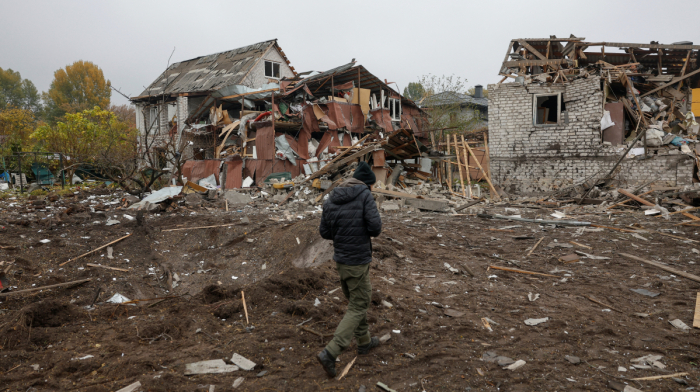
The peace talks coincide with ongoing Russian attacks on Kyiv, which killed seven people and disrupted essential services, highlighting the urgent need for a resolution. European leaders, including French President Emmanuel Macron and British Prime Minister Keir Starmer, have focused on providing security guarantees and planning for post-conflict reconstruction, including the potential use of frozen Russian assets.
U.S. officials have described remaining issues as delicate but solvable, with further discussions involving Ukraine, Russia, and the United States expected in the coming weeks.

The U.S. military has intercepted at least three Iranian-flagged tankers in Asian waters and is redirecting them away from their positions near India, Malaysia and Sri Lanka, shipping and security sources said on Wednesday, exclusively to Reuters.
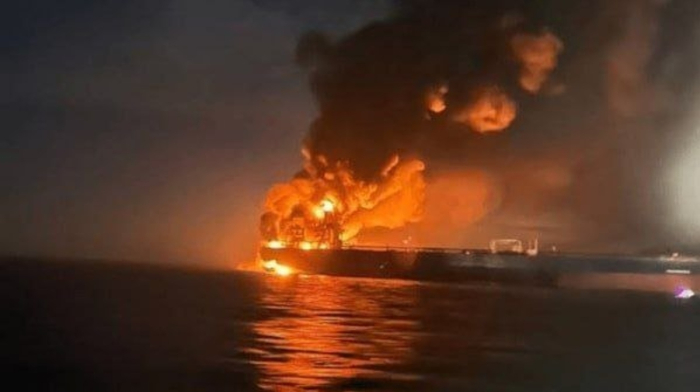
Iran’s Revolutionary Guards targeted three vessels, seizing two of them for alleged maritime violations and transferring them to Iranian shores, as U.S. President Donald Trump said Washington is extending its ceasefire with Iran until Tehran submits a proposal.
Two local trains collided head-on north of Copenhagen on Thursday (23 April), injuring 17 people, five of them critically, according to emergency services.
The U.S. military is redirecting at least three Iranian-flagged tankers after intercepting them in Asian waters near India, Malaysia and Sri Lanka, shipping and security sources said on Wednesday. Meanwhile, Tehran said U.S. breaches, blockades and threats are undermining “genuine negotiations.”
The European Union is preparing its 20th round of sanctions against Russia over the war in Ukraine. The measures are close to being approved, after earlier delays linked to energy concerns in Slovakia and Hungary eased following repairs to the Druzhba oil pipeline.
Russian emergency services have contained a major fire at the Tuapse oil refinery on the Black Sea coast, local officials said on Thursday, ending a four-day effort after a Ukrainian drone strike.
Start your day informed with AnewZ Morning Brief. Here are the top news stories for the 24th of April, covering the latest developments you need to know.
A United States Army soldier has been charged with making more than $400,000 by betting on the removal of Venezuelan leader Nicolás Maduro, according to the Department of Justice.
The European Union adopted its 20th package of sanctions against Russia on Thursday (23 April), introducing sweeping new restrictions aimed at weakening Moscow’s war economy and limiting its capacity to sustain the war in Ukraine.
European Union leaders were set to discuss the bloc’s mutual assistance clause at a summit in southern Cyprus on Thursday, as U.S. President Donald Trump’s criticism of traditional allies raises concerns over his commitment to NATO.
You can download the AnewZ application from Play Store and the App Store.
What is your opinion on this topic?
Leave the first comment