Syria’s economy is showing clear signs of recovery, with economic activity accelerating in recent months, the International Monetary Fund (IMF) said on Wednesday.
The economic rebound is being driven by improved consumer and investor sentiment, the return of refugees, and increased electricity supply. Favourable rainfall and deeper regional integration are also contributing to growth.
An IMF staff team visited Damascus from 15 to 19 February 2026 to assess economic conditions, review reform progress, and discuss policy priorities and capacity-building needs. Preliminary data indicate that Syria ended 2025 with a small budget surplus, achieved without central bank financing, marking a notable improvement compared with previous years.
Ron van Rooden, Head of the IMF mission, said that because international sanctions have been lifted, Syria is reintegrating into regional and global economic networks.
He noted that progress towards national reconciliation and improved infrastructure are supporting growth prospects for 2026 and beyond. Several large new investment projects are also contributing, although the IMF did not specify their details.
Budget and fiscal outlook
Authorities have prepared the 2026 budget with a focus on healthcare, education, infrastructure rehabilitation, and wage increases. Revenue projections are ambitious but achievable, with safeguards in place to protect social spending if financing falls short.
The IMF emphasised that strong international support remains crucial, particularly to alleviate poverty among returning refugees and internally displaced persons. Syria’s ability to mobilise external financing will depend on progress in addressing legacy debts and maintaining international cooperation.
Monetary stability and banking sector
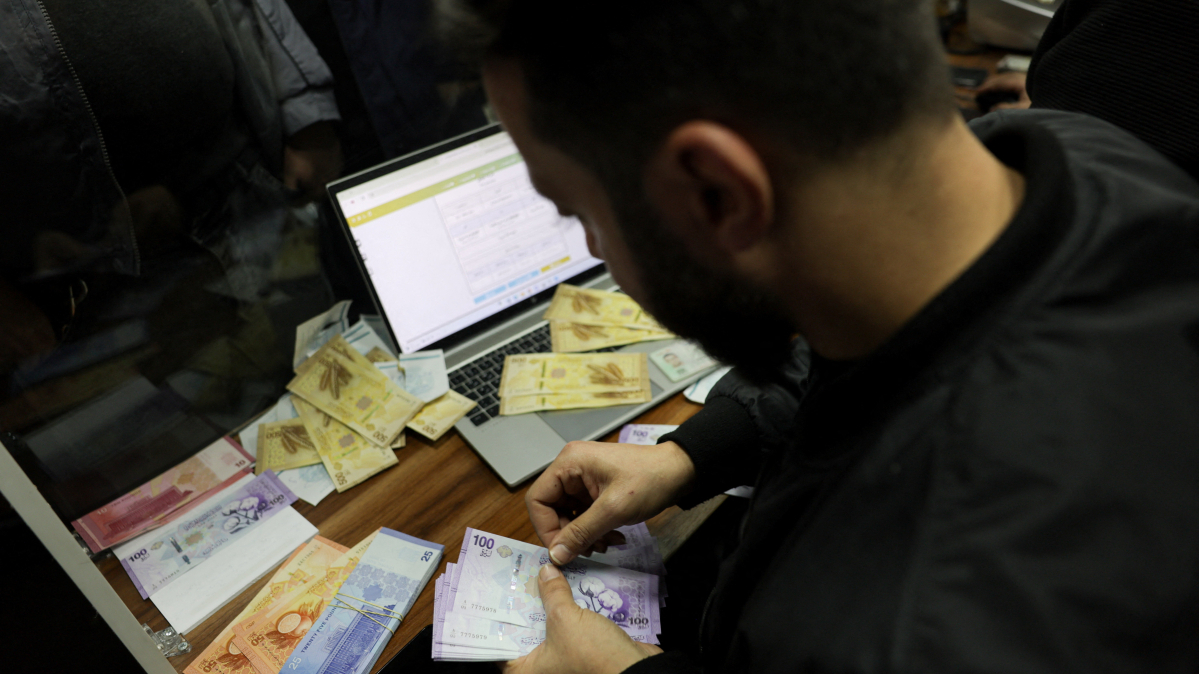
Despite constraints, the Central Bank of Syria has maintained a tight monetary stance. Inflation slowed to low single digits by the end of 2025, while the Syrian pound appreciated compared with 2024. The IMF highlighted ongoing efforts to strengthen the central bank’s independence, implement a robust monetary policy framework, and assess the health of the banking sector to rebuild public trust.
Technical assistance and reforms continue
The IMF said it will continue supporting Syria through technical assistance and capacity building in several areas:
- Fiscal management: cash management, budget preparation, and execution
- Revenue mobilisation: improving tax policy and administration
- Public debt management: supporting debt sustainability analysis
- Financial sector reform: rehabilitating banking and payments systems, strengthening supervision, and developing monetary policy frameworks
- Statistics and data: modernising national accounts, price, balance of payments, government finance, and monetary statistics
The IMF said that these initiatives are designed to facilitate sustainable economic recovery and lay the groundwork for future IMF Article IV consultations.
“The authorities have shown transparency and constructive engagement throughout our mission,” van Rooden said, commending their collaboration.
The IMF team met with senior officials, including Minister of Finance Mohamad Yisr Barnieh and Central Bank Governor Abdulkader Husrieh, alongside other high-ranking representatives.










What is your opinion on this topic?
Leave the first comment