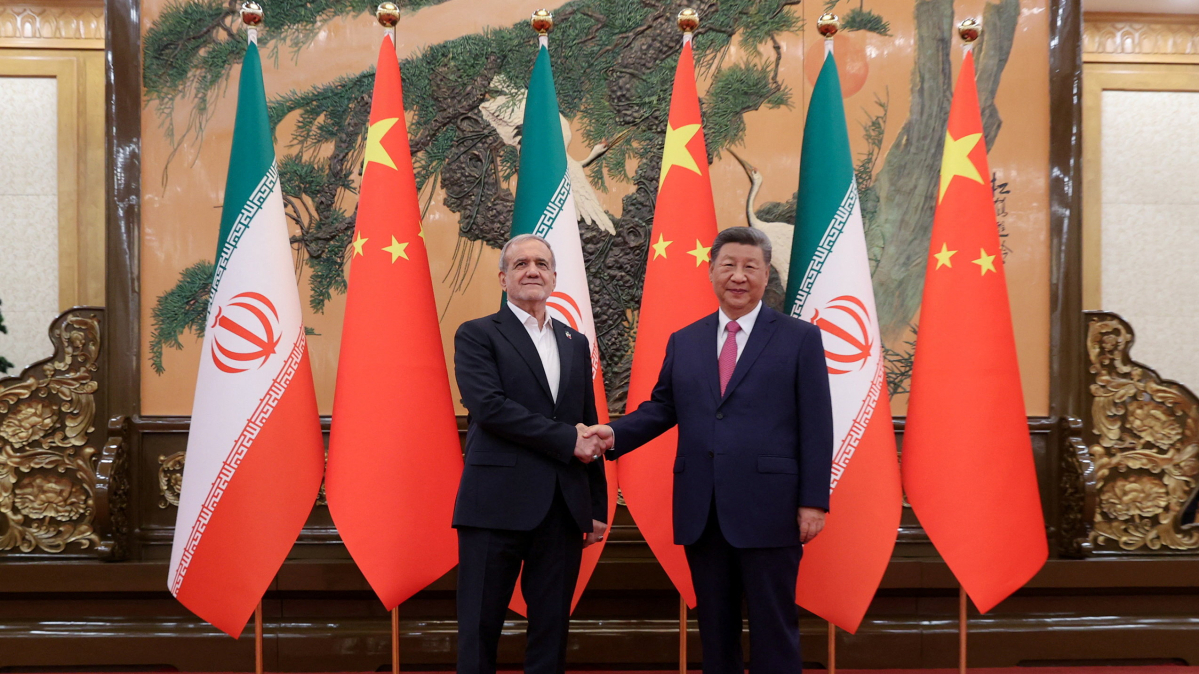
China has announced it will provide emergency humanitarian assistance to Iran, Jordan, Lebanon and Iraq, as a widening conflict in the Middle East drives increasing civilian suffering and displacement across the region.
Speaking at a regular press briefing, Chinese Foreign Ministry spokesperson Lin Jian said Beijing had decided to act in response to what he described as a worsening humanitarian situation affecting multiple countries. He said the aid is intended to help “alleviate the humanitarian plight” faced by people caught up in the crisis.
Regional spillover intensifies humanitarian pressure
The announcement comes as violence linked to the conflict involving Iran has spilled beyond its borders, affecting neighbouring countries and placing additional strain on already fragile systems. Air strikes, retaliatory attacks and rising insecurity have disrupted daily life across the region, damaging infrastructure and forcing large numbers of people to flee their homes.
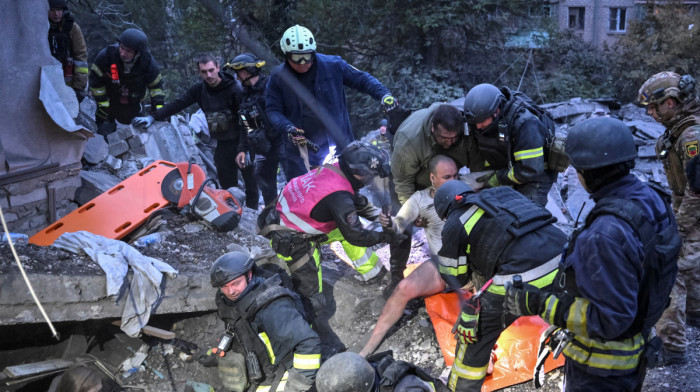
In Lebanon, the situation has been particularly severe, with heavy bombardment leading to widespread destruction and mass displacement. Aid agencies say hundreds of thousands of people have been forced to leave their homes, placing enormous pressure on shelters, healthcare services and basic supplies. Hospitals and emergency services are struggling to cope with the rising number of casualties.
Infrastructure damage and supply disruption in Iran
Conditions in Iran have also deteriorated as ongoing strikes hit both military and civilian areas, with reports of damage to critical infrastructure, including energy facilities and medical centres. The instability has disrupted supply chains, making it harder to deliver food, medicine and other essentials to affected communities.
Meanwhile, countries such as Jordan and Iraq, though less directly affected by large-scale attacks, are facing growing indirect pressure. Both are already hosting large numbers of refugees from previous conflicts, and the current crisis risks pushing their humanitarian systems closer to breaking point. Aid groups warn that any further escalation could trigger new waves of displacement into these countries.
International response scales up
International organisations have already begun scaling up emergency responses. The United Nations refugee agency has warned that the situation remains highly fluid, with the potential for further mass displacement if the conflict continues to intensify. Health agencies are also stepping in to provide funding and medical support, but needs are rising rapidly.
China’s assistance is expected to include urgently needed supplies such as food, medicine and emergency relief materials, although specific details on the scale and timing of the aid have not yet been made public. In previous crises, Beijing has typically delivered medical supplies and financial assistance through both bilateral channels and international organisations.
Beijing calls for de-escalation
Beyond the immediate aid, China has also called for a ceasefire and urged all parties to return to dialogue. Chinese officials have repeatedly stressed the need to prevent the conflict from spreading further, warning that continued escalation could destabilise the broader region and affect global energy markets and trade routes.
The announcement highlights Beijing’s efforts to play a more visible role in responding to international crises, particularly in regions where it has growing economic and diplomatic interests. By providing humanitarian assistance while also calling for restraint, China is positioning itself as both a relief provider and a voice for de-escalation.
Humanitarian needs expected to rise
As the conflict continues, humanitarian needs are expected to rise sharply. For millions of people across Iran and its neighbouring countries, the coming weeks will be critical, with access to food, healthcare and shelter becoming increasingly uncertain.










What is your opinion on this topic?
Leave the first comment