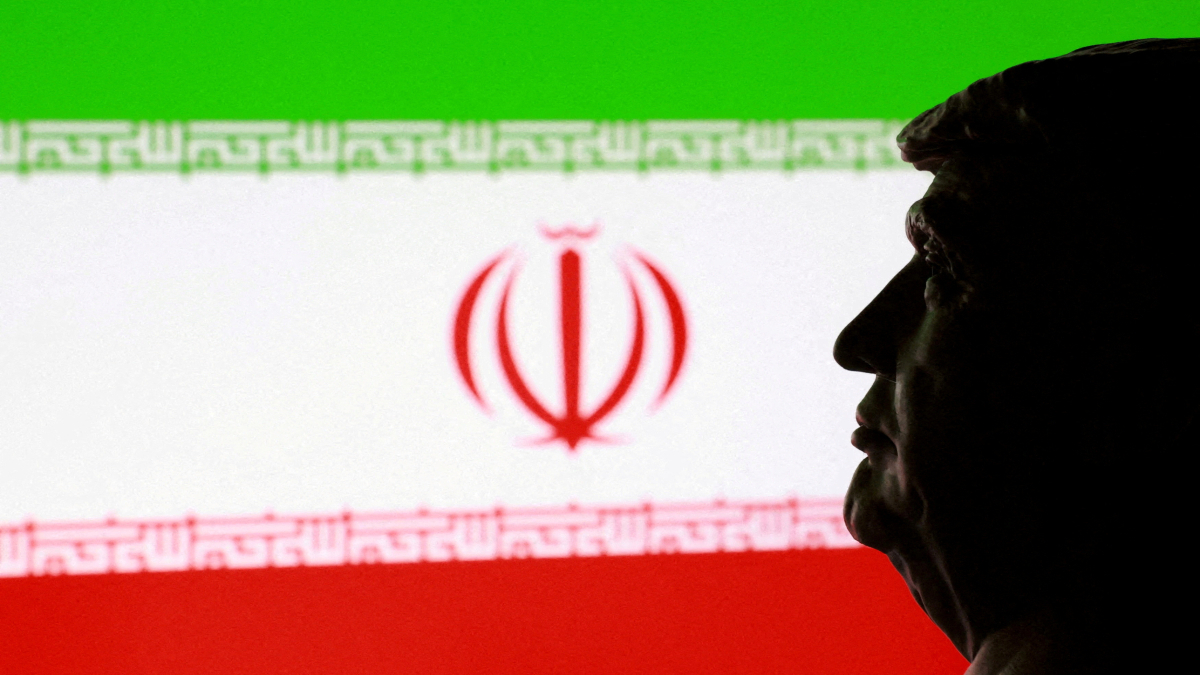
The U.S. Treasury Department imposed sanctions on Wednesday (25 February) on more than 30 individuals, entities and "shadow fleet" vessels it said enabled Iran's illicit petroleum sales, ballistic missiles and weapons production.
Treasury's Office of Foreign Assets Control also targeted multiple networks that enable Iran's Islamic Revolutionary Guard Corps and Ministry of Defence and Armed Forces Logistics to secure the precursor materials and machinery required for ballistic missile and other weapons production, the department said.
U.S. President Donald Trump has launched a campaign to clamp down on Iran's economy.
He also sent U.S. military forces to the Middle East and warned of a possible attack if Tehran does not reach a deal to resolve the longstanding dispute over its nuclear program.
Trump briefly laid out his case for a possible attack in his State of the Union address to Congress on Tuesday night.
Iran says its nuclear research is for civilian energy production. A senior Iranian official told Reuters on Sunday that Tehran and Washington remain sharply divided over which sanctions should be lifted and when.
Iran did not immediately respond to a request for comment on the new sanctions.
The sanctions targeted 12 shadow fleet vessels and their owners or operators that have collectively transported hundreds of millions of dollars' worth of Iranian petroleum and petrochemical products, the Treasury said.
The shadow fleet refers to ships that carry oil that is under sanctions. They are typically old, their ownership opaque and they sail without the top-tier insurance cover needed to meet international standards for major oil companies and many ports.
"Iran exploits financial systems to sell illicit oil, launder the proceeds, procure components for its nuclear and conventional weapons programs, and support its terrorist proxies," Secretary of the Treasury Scott Bessent said in a statement.
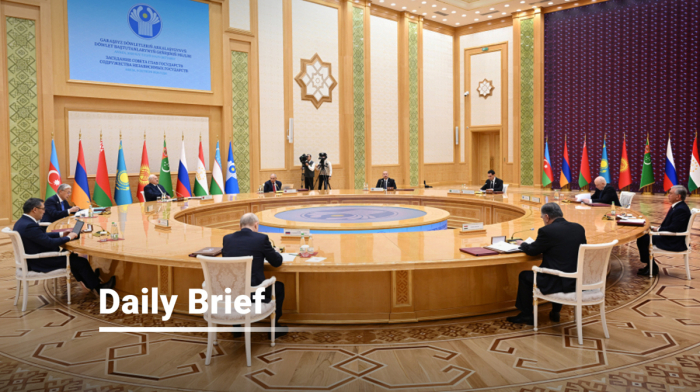
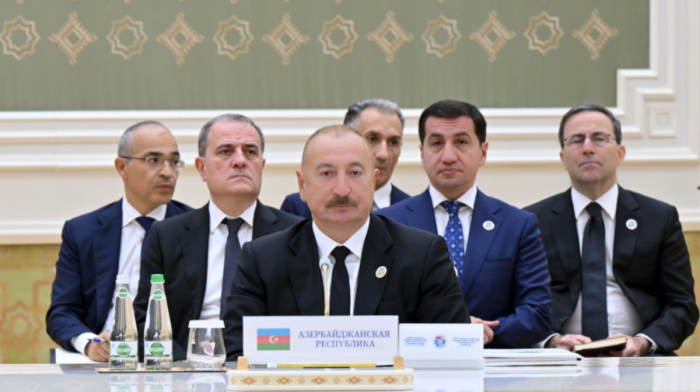
Leaders of countries from the Commonwealth of Independent States (CIS) have agreed to hold coordinated population censuses around 2030. They took the decision at the CIS Council of Heads of State meeting in Awaza, Turkmenistan on Friday, media reported.
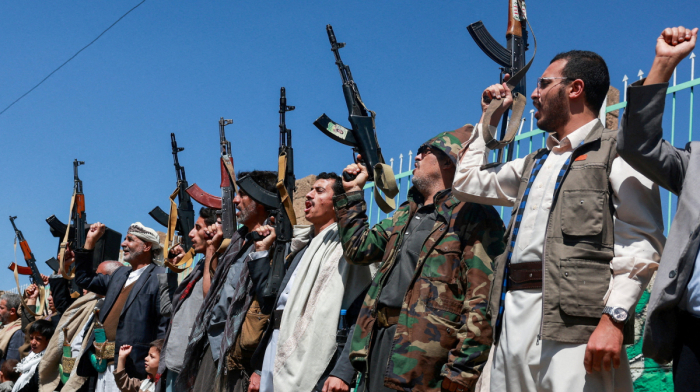
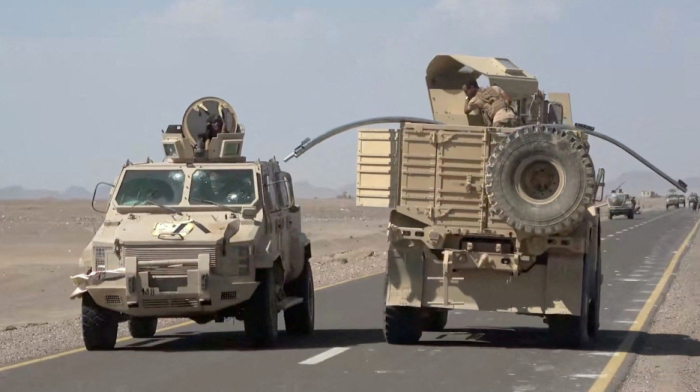
The Saudi-led coalition says it has carried out a series of military operations against Houthi targets in Yemen after attacks on two Saudi airports left three people dead and dozens injured.
Azerbaijan and the five Central Asian states have signed two key documents at the 8th Consultative Meeting of Heads of State in Turkmenbashi, formalising a broader framework for regional cooperation in transport, trade, energy, digitalisation and security.
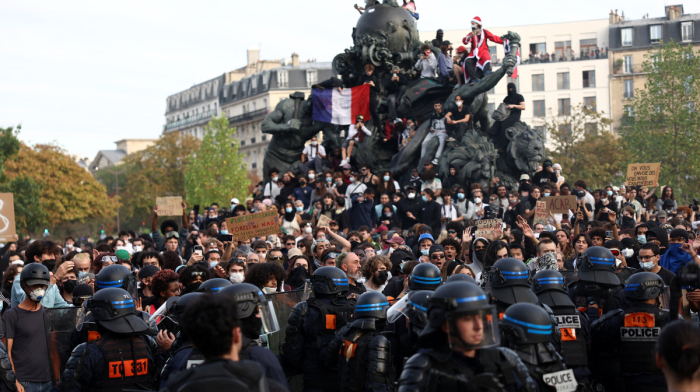
It started with classrooms. Too many students, not enough teachers, deteriorating buildings and growing anxiety over what comes after high school. But within weeks, a movement that began outside French lycées had spread across the country.
Britain and Israel have reached a temporary compromise over the future of the British Consulate General in East Jerusalem, easing a diplomatic dispute that had threatened to further strain relations between the two countries.
South African judge Navanethem “Navi” Pillay won the Nobel Peace Prize on Friday “for her efforts to promote peace and international law,” the Norwegian Nobel Committee said.
The Pentagon says it will livestream the execution of former U.S. Army psychiatrist Nidal Hasan, who was sentenced to death for killing 13 people at Fort Hood, Texas, in 2009. It would be the first publicly livestreamed execution in U.S. history.
U.S. federal immigration agents shot and wounded a man in a car with a five-year-old boy inside in New York City’s Bronx neighbourhood on Thursday, city officials, police and witnesses say.
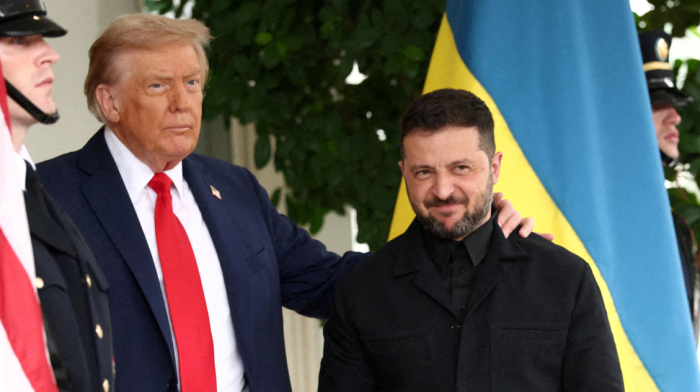
Ukrainian President Volodymyr Zelenskyy has sharply criticised the United States following a series of Russian attacks that killed more than 70 people over two days, arguing that Washington is not doing enough to help Kyiv counter Moscow's continued assault.
Britain and Israel have reached a temporary compromise over the future of the British Consulate General in East Jerusalem, easing a diplomatic dispute that had threatened to further strain relations between the two countries.
Download the AnewZ app
You can download the AnewZ application from Play Store and the App Store.















What is your opinion on this topic?
Leave the first comment