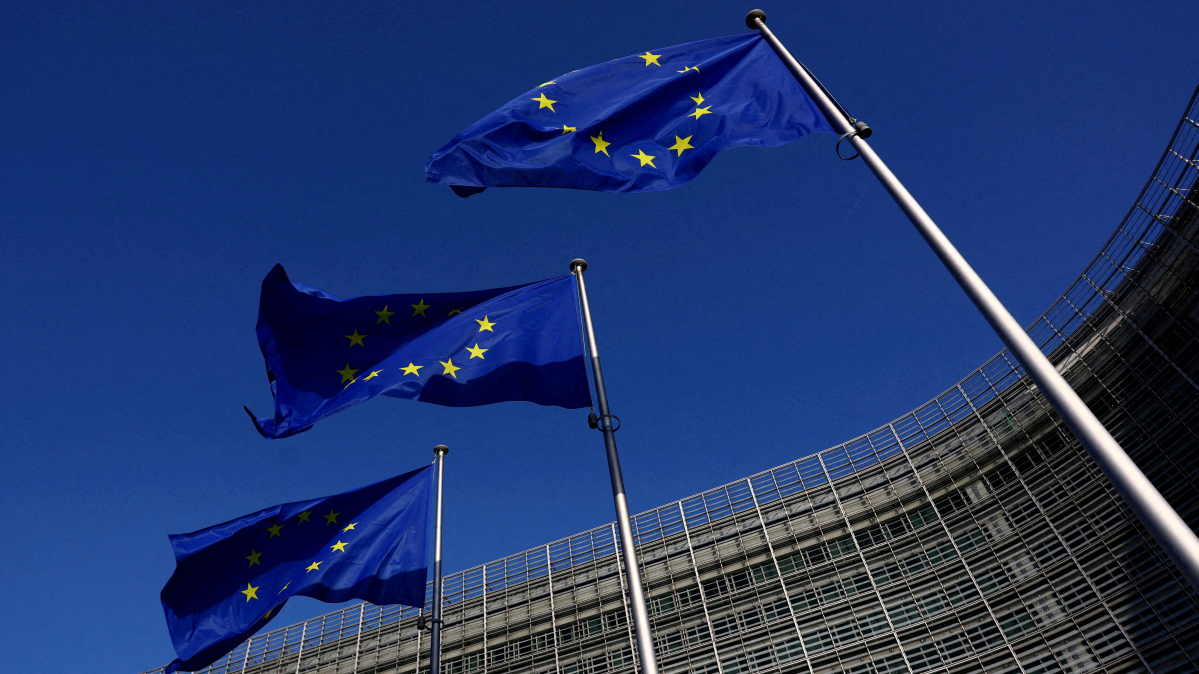
The European Union adopted its 20th package of sanctions against Russia on Thursday (23 April), introducing sweeping new restrictions aimed at weakening Moscow’s war economy and limiting its capacity to sustain the war in Ukraine.
The package includes 120 new individual listings - the largest expansion in two years - alongside wide-ranging economic measures targeting key sectors such as energy, finance, defence and trade.
EU foreign policy chief Kaja Kallas said the bloc had “broken the deadlock,” combining the sanctions package with a €90 billion loan for Ukraine.
“We must keep up this pressure until Putin understands his war leads nowhere,” she said, adding that Russia’s war economy was already under strain.
Energy, shadow fleet and LNG
A central focus of the new measures is curbing Russia’s energy revenues.
The EU has laid the groundwork for a future ban on maritime services linked to Russian oil exports, in coordination with the G7 and the price cap coalition.
The package introduces 36 new designations across the oil sector, spanning exploration, extraction, refining and transport, while expanding sanctions on Russia’s so-called shadow fleet used to circumvent restrictions.
A further 46 vessels have been blacklisted, bringing the total to 632 ships subject to port bans and service restrictions.
The EU is also introducing stricter controls on tanker sales and banning maintenance services for Russian LNG carriers and icebreakers. From January 2027, LNG terminal services for Russian-linked entities will be fully prohibited.
In addition, transactions with key Russian ports - Murmansk and Tuapse - as well as an oil terminal in Indonesia’s Karimun port, have been banned.
Financial sector and crypto assets
The EU is imposing transaction bans on 20 Russian banks and targeting financial institutions in third countries accused of helping Moscow circumvent sanctions.
Reflecting Russia’s growing reliance on digital assets, the bloc is also introducing a sector-wide ban on Russian crypto platforms and transactions involving certain cryptocurrencies, while restricting support for the development of a digital rouble.
Military supply chains and trade routes
The sanctions package further tightens restrictions on Russia’s military-industrial complex, adding 58 entities involved in weapons production, including drone manufacturing.
It also targets companies in third countries - including China, the UAE, Uzbekistan, Kazakhstan and Belarus - accused of supplying dual-use goods to Russia.
For the first time, the EU is activating its anti-circumvention tool, banning exports of certain machinery and equipment to Kyrgyzstan over concerns of re-export to Russia.
Additional export bans cover industrial goods worth more than €360 million, while import restrictions on Russian raw materials and metals exceed €570 million.
Individual restrictions and media controls
The EU has also sanctioned individuals linked to the deportation and indoctrination of Ukrainian children, as well as figures involved in the appropriation of cultural heritage and the spread of pro-Kremlin propaganda.
New measures include tighter controls on diamond traceability, restrictions on cyber security services to Russia, and expanded bans on media outlets attempting to bypass EU broadcasting restrictions.
Belarus measures extended
Sanctions on Belarus have also been expanded, targeting entities linked to its military-industrial complex and aligning restrictions more closely with those imposed on Russia.
The Belarus sanctions regime has been extended until February 2027.
Kulevi port excluded after assurances
The Port of Kulevi was ultimately excluded from the EU’s latest sanctions package following assurances from Georgia and SOCAR, which operates the facility.
According to a senior EU official, both parties committed not to service sanctioned vessels and to comply fully with restrictions on petroleum products derived from Russian oil.
“Everything we sought, we received in the form of commitments,” the official said, adding that Brussels would closely monitor compliance.
The decision followed diplomatic consultations, during which the possibility of sanctioning the port had been under consideration. EU officials noted that the case reflects a broader trend of third countries and infrastructure operators seeking to align with the bloc’s sanctions regime rather than risk punitive measures.












What is your opinion on this topic?
Leave the first comment