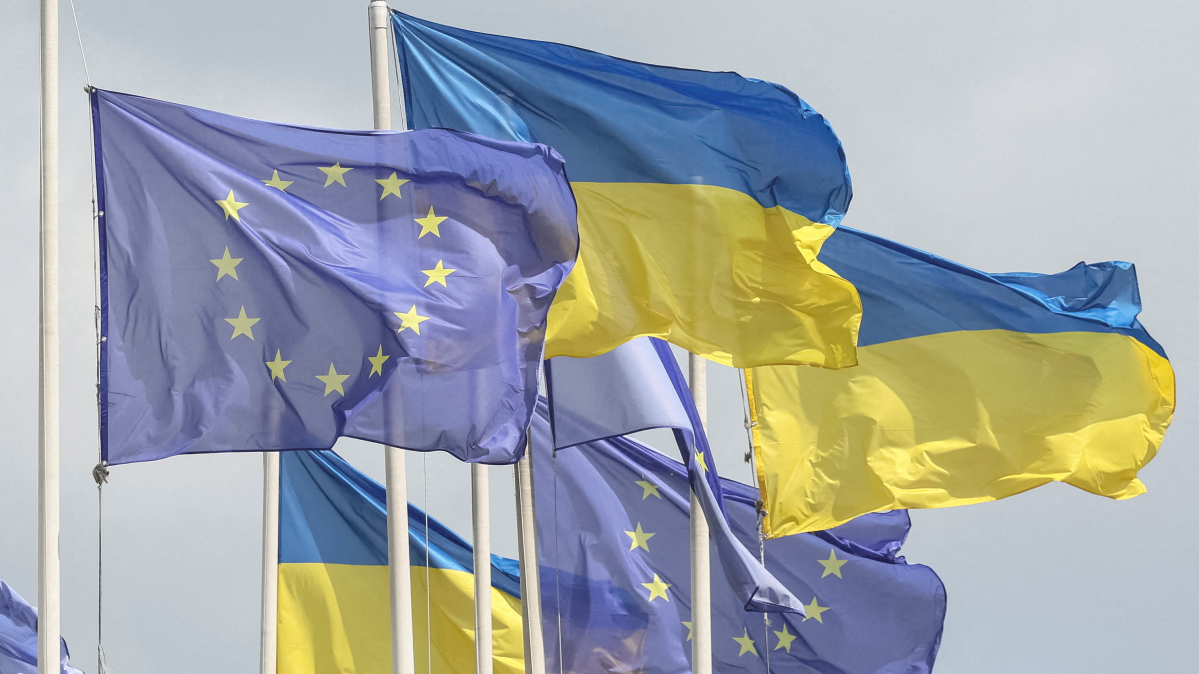
The European Union is preparing its 20th round of sanctions against Russia over the war in Ukraine. The measures are close to being approved, after earlier delays linked to energy concerns in Slovakia and Hungary eased following repairs to the Druzhba oil pipeline.
The package builds on earlier sanctions by widening restrictions on energy, shipping, finance and trade.
Oil and gas restrictions
Energy remains central to the new measures. The EU plans a full ban on maritime services for Russian crude oil and refined products, though the timing will depend on coordination with G7 partners.
Further steps focus on shipping and gas:
- From 25 April 2026, EU firms will be banned from providing technical, financial or brokering services to Russian-flagged icebreakers and LNG tankers
- From 1 January 2027, the same rules will apply to foreign-owned vessels operating in Russia
- EU companies will not be allowed to provide LNG terminal services to firms that are more than 50% owned or controlled by Russian entities
These measures aim to limit Russia’s ability to move and export energy.
Ports and the 'shadow fleet'
The EU is also tightening pressure on Russia’s oil transport network.
- Transactions will be banned with three ports: Murmansk and Tuapse in Russia, and Karimun in Indonesia
- Another 46 vessels will be added to the list of ships linked to Russia’s “shadow fleet”, taking the total to more than 600
The “shadow fleet” refers to older or lightly regulated tankers used to move oil outside normal oversight.
New rules will also stop tankers being sold to Russia indirectly. Any sale will need a clause preventing resale to Russian buyers or use in Russian operations.
Asset freezes and blacklists
Around 120 people and organisations will be added to the sanctions list. This means travel bans, frozen assets and blocked business dealings.
Those listed will face:
- Asset freezes
- Travel bans
- Full restrictions on financial dealings
Of these:
- 56 are linked to Russia’s military and defence industry, including some in third countries such as China, the UAE, Belarus and parts of Central Asia
- 36 relate to energy and shipping networks, including the shadow fleet
Russian oil sector targets
The draft sanctions take a closer aim at key parts of Russia’s oil industry, focusing on both production and refining.
Seven refineries are listed. These include major sites in Tuapse, Ryazan, Komsomolsk, Angarsk, Achinsk, Afipsky and Lukoil’s plant in Usinsk. These facilities process crude oil into fuels such as petrol, diesel and jet fuel, which are vital for both domestic use and export.
Two oil producers - Bashneft and Slavneft - are also included. Both are established firms within Russia’s energy sector and play a role in supplying crude oil to refineries and export markets.
By naming these companies, the EU is aiming to restrict their access to finance, services and international business. This can make it harder for them to maintain operations, upgrade equipment or sell their products abroad.
The measures also extend beyond Russia. Companies in third countries, including some based in the United Arab Emirates, are targeted if they are linked to transporting Russian oil or helping move it through global markets.
Banks, crypto and sanctions evasion
Financial measures are expanded to address sanctions evasion.
- Transactions will be banned with 20 more Russian banks
- Some banks in third countries are also targeted for helping bypass restrictions
The EU is, for the first time, using its anti-circumvention tool against Kyrgyzstan.
This includes:
- Bans on exporting certain machinery, such as metal-cutting tools
- Restrictions on communications equipment like modems and routers
Legal safeguards and business rules
The package introduces new legal protections for EU firms.
- The EU could ban business with companies outside the bloc that try to enforce Russian legal claims
- Exceptions may apply for humanitarian reasons
It also allows future restrictions on Russian companies that benefit from the seizure or temporary control of EU-owned assets in Russia.
EU companies would be able to seek compensation through European courts if they suffer losses due to such claims enforced abroad.
Import bans on materials
The EU is expanding its list of banned imports from Russia.
Metals affected include:
- Nickel bars
- Iron ore and concentrates
- Copper (raw and processed)
- Scrap metals, including aluminium
Other materials include:
- Salt
- Ammonia
- Pebbles and silicon
- Furskins
Read more:












What is your opinion on this topic?
Leave the first comment