European Union envoys are set to approve a 20th package of sanctions against Russia, with Slovakia and Hungary expected to drop their opposition following repairs to the Druzhba oil pipeline, EU diplomats said on Wednesday.
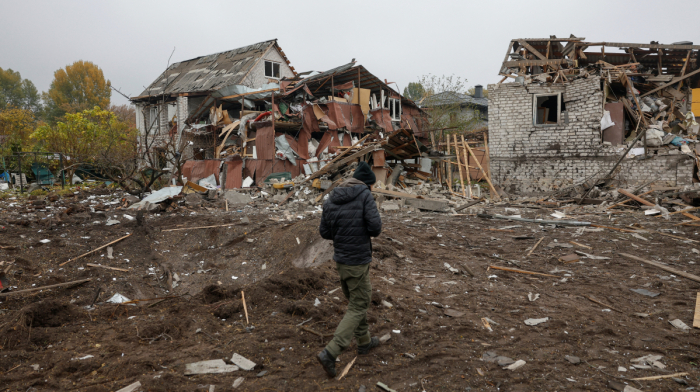
The measures would strengthen efforts to curb Russian energy revenues and military supplies more than four years into Moscow’s full-scale invasion of Ukraine, after the bloc failed to secure unanimous backing earlier this year.
Slovakia’s foreign minister said Bratislava was ready to support the package once oil deliveries via Druzhba resumed, arguing the measures would not significantly harm the Slovak economy.
Crude flows through the pipeline are expected to restart on Wednesday for the first time since a January drone strike, removing a key objection from Hungary. Its outgoing Prime Minister, Viktor Orbán, had previously blocked further sanctions and a €90 billion loan for Ukraine.
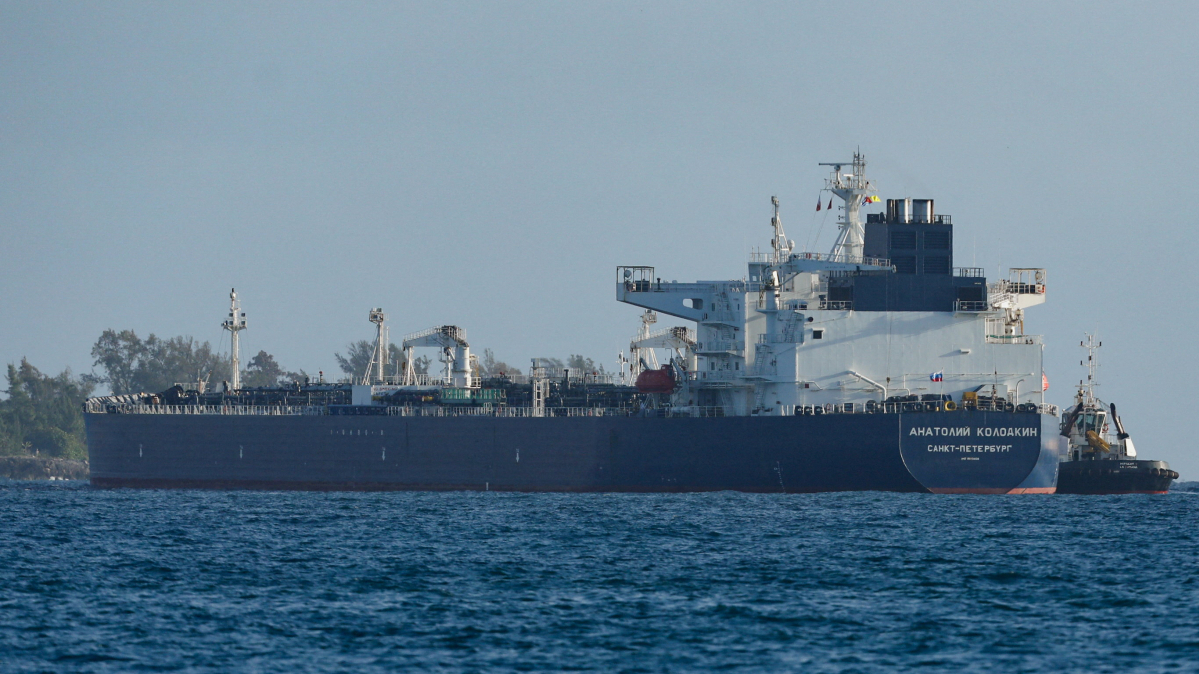
The package stops short of immediately imposing a full ban on maritime services for Russian oil. Envoys agreed to the measure in principle but postponed implementation pending coordination with G7 partners.
If enforced, the ban could effectively end the G7 price cap regime, which allows access to Western shipping and insurance for Russian crude sold below a set threshold.
Expanded targets and new enforcement tools
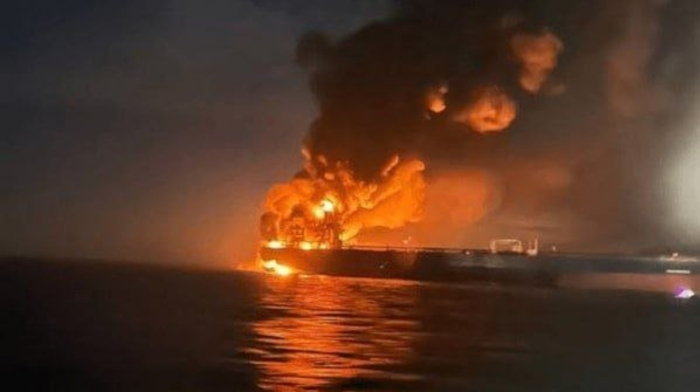
The sanctions also target Russia’s military-industrial base, including drone production and its so-called “shadow fleet”, and introduce phased restrictions on services for Russian LNG and icebreakers.
They include asset freezes and business bans on major Russian refineries and producers. For the first time, the EU would also use its anti-circumvention tool against a third country, Kyrgyzstan, alongside curbs linked to a foreign oil port and new protections for EU companies against Russian legal claims abroad.













What is your opinion on this topic?
Leave the first comment