The European Union has released €2.3 billion in financial aid to Ukraine to support urgent social and civil infrastructure needs. According to political analyst Orkhan Nabiyev, this move reflects the EU’s assessment that a peace deal with Russia is unlikely in the near future.
Speaking to AnewZ from Baku, Nabiyev emphasised the critical timing of the assistance.
“Each aid [package] goes towards keeping Ukraine on their foot, it’s very critical," he stated.
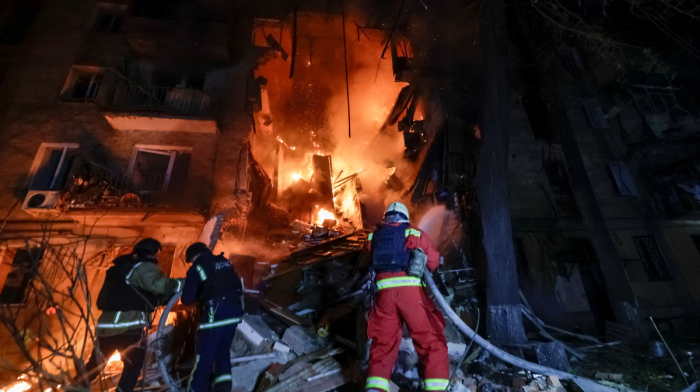
He explained that the €2.3 billion package is intended to cover social needs, including pensions and salaries, as well as repair of civil infrastructure damaged by Russian attacks.
This €2.3 billion tranche was formally released on 22 December as the sixth regular payment under the EU’s Ukraine Facility, a financial instrument launched on 1 March 2024 to provide up to €50 billion in support for Ukraine’s recovery, reforms, reconstruction and modernisation through 2027.
According to Nabiyev the funding also helps stabilise Ukraine’s state functions, enabling pensions, salaries, and essential public services to continue despite the ongoing war.
He also mentioned that the €90 billion to Ukraine will "help Ukraine to stand against the Russian occupation for one or two years."
This comment follows EU leaders' decision, on 18-19 December, to loan €90 billion to Ukraine for the country's financing needs in 2026 and 2027.
Specifically the loan is structured as interest‑free support to help sustain Kyiv’s defence and budgetary needs over the next two years.
Despite initial plans to fund such support directly from frozen Russian assets, EU members opted instead for joint borrowing on financial markets.
Nabiyev stressed that the biggest expectation of Russian President Vladimir Putin is "that Ukraine will not stand and will fall.”
The expert also highlighted the broader implications of EU policy.
“The extension of EU sanctions for six months more, it means that European Union doesn’t believe that a peace deal can be possible with Russia in upcoming month,” he said, underlining Brussels’ continued pressure on Moscow.
The EU Council confirmed on 22 December that economic sanctions against Russia will remain in place at least until 31 July 2026.
Nabiyev said the combined effect of financial support and extended sanctions sends a clear message that Ukraine is expected to withstand Russian pressure in the coming months, while the EU remains committed to long-term support and reconstruction.
Orkhan Nabiyev's commentary follows the latest major EU meeting on Ukraine funding took place on 18-19 December, when European Union leaders met in Brussels at a European Council summit to address Kyiv’s financial and defence needs the near future.
The conclusions from the summit reaffirmed broad political and financial support for Ukraine’s continued resistance and long‑term resilience.














What is your opinion on this topic?
Leave the first comment