Kyiv has escalated its naval campaign against Moscow’s economic lifelines, claiming a successful strike on a vessel suspected of skirting international sanctions within the Black Sea.
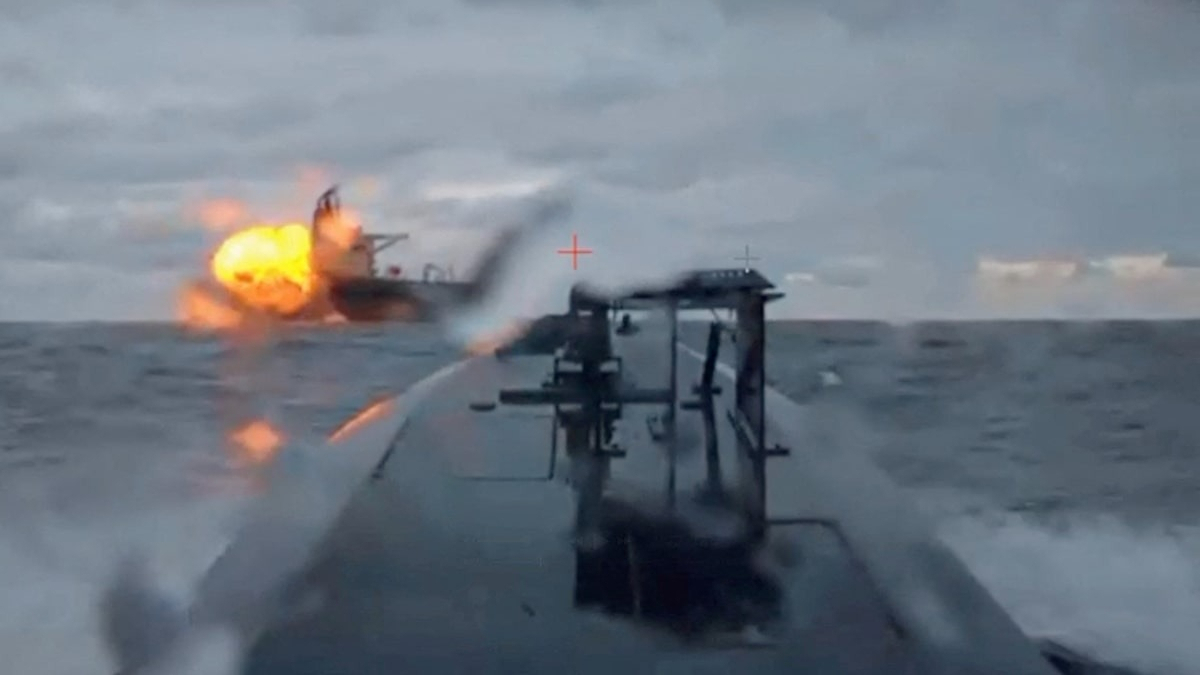
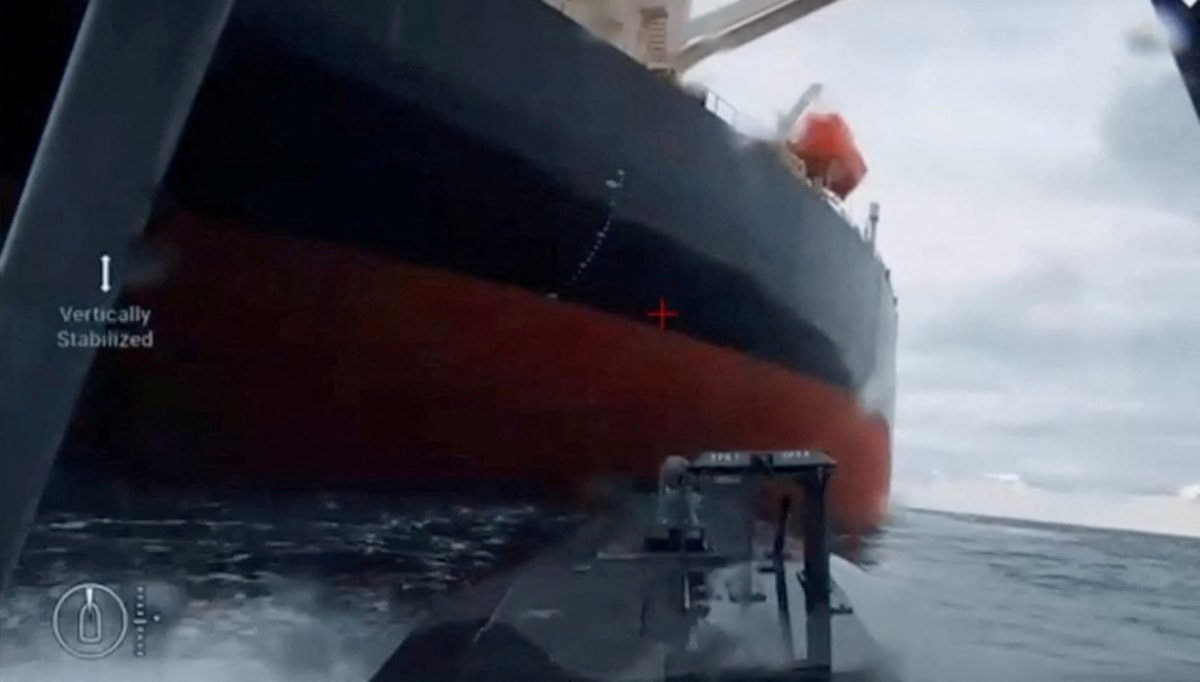
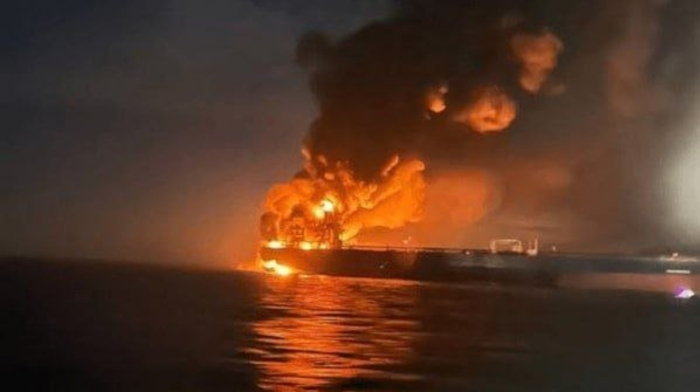
The Security Service of Ukraine (SBU) confirmed that its unmanned surface vessels (USVs) intercepted and disabled a tanker transporting oil toward the Russian port of Novorossiysk.
The operation took place within Ukraine’s Exclusive Economic Zone (EEZ), marking a significant shift in Kyiv's maritime strategy from targeting military warships to disrupting the energy exports that fund the Kremlin’s war machine.
The vessel, identified as the Dashan, was reportedly travelling at top speed under the cover of darkness with its Automatic Identification System (AIS) transponders switched off—a common tactic used by ships attempting to obscure their location and cargo.
According to Ukrainian intelligence, the tanker forms part of Russia’s so-called "shadow fleet". This flotilla of ageing, often under-insured vessels is used by Moscow to bypass the G7 price cap on Russian crude oil and maintain export revenues despite Western embargoes.
“The tanker sustained critical damage to its stern following a series of explosions,” an SBU source stated. Video footage released by Kyiv appears to show the pilot's view from a sea drone moments before impact, though independent verification of the damage remains pending.
Strategic Shift in the Black Sea
This incident represents the third such strike in just two weeks, signalling a concerted effort by Ukraine to enforce a blockade on Russian energy logistics in the region.
While earlier phases of the naval war focused on forcing the Russian Black Sea Fleet away from the Crimean coast and securing the grain corridor for Ukrainian exports, this new pattern suggests Kyiv is now directly targeting the revenue streams that sustain the Russian invasion.
Novorossiysk, the tanker’s intended destination, is a critical hub for Russia's oil exports and naval logistics. By threatening commercial shipping in these waters, Ukraine effectively raises the insurance premiums and logistical risks for companies continuing to trade with Russia.
Safety and Environmental Concerns
The strike highlights the growing volatility in the Black Sea. Maritime experts have long warned that the use of unregulated "shadow" vessels poses significant environmental risks due to their poor maintenance records and lack of standard insurance.
While Ukraine has not released details regarding potential casualties among the Dashan’s crew, the use of explosive naval drones against laden oil tankers marks a high-stakes evolution in the conflict.
Russian officials have not yet commented on the status of the Dashan, though Moscow typically condemns such incidents as acts of terrorism.

















What is your opinion on this topic?
Leave the first comment