The European Union has proposed extending its sanctions against Russia to include ports in Georgia and Indonesia that handle Russian oil, the first time the bloc would target ports in third countries, a proposal document showed on Monday.
The proposal, reviewed by Reuters, would add Kulevi in Georgia and Karimun in Indonesia to the sanctions list, barring EU companies and individuals from conducting transactions with either port.
The measures form part of the EU's 20th sanctions package over Russia’s war in Ukraine.
The package was jointly drafted by the EU's diplomatic service, the European External Action Service (EEAS), and the European Commission, and was presented to EU countries on Monday.
EU sanctions require unanimity in order to be adopted into law.
If adopted, this would mark a significant departure from previous policies, representing the first time the bloc has directly targeted ports in third countries to enforce its embargoes.
What else is included
The package also adds new import bans on metals such as nickel bars, iron ores and concentrates, unrefined and processed copper, and various scrap metals including aluminium. It would also prohibit imports of salt, ammonia, pebbles, silicon and furskins.
The new restrictions would also ban sales of metal cutting machines and communications machines for voice, image and data transmissions such as modems and routers to Kyrgyzstan.
The EU also proposed adding two Kyrgyz banks - Keremet and Open Joint-Stock Company (OJSC) Capital Bank of Central Asia - to its sanctions list for providing crypto asset services to Russia, as well as banks in Laos and Tajikistan, while removing two Chinese lenders.
If approved, the listed banks would be barred from transactions with EU individuals and companies.
To its sanctions framework that includes asset freezes and travel bans, the EEAS proposed adding 30 individuals and 64 companies. These include Bashneft, a listed subsidiary of Russia's oil behemoth Rosneft, as well as eight Russian refineries, among them two major Rosneft-controlled plants - Tuapse and Syzran. The proposal stops short of listing Rosneft or Lukoil, already hit by U.S. sanctions.
Targeting the logistics of the ‘Shadow Fleet’
The inclusion of the Kulevi terminal in Georgia and the Karimun port in Indonesia represents a strategic pivot in Brussels’ approach to maritime sanctions. For years, the G7 and EU relied on a price cap mechanism intended to limit Russia’s oil revenue while keeping global energy supplies stable. However, Monday’s proposal suggests that the bloc is now moving towards a full maritime-services ban.
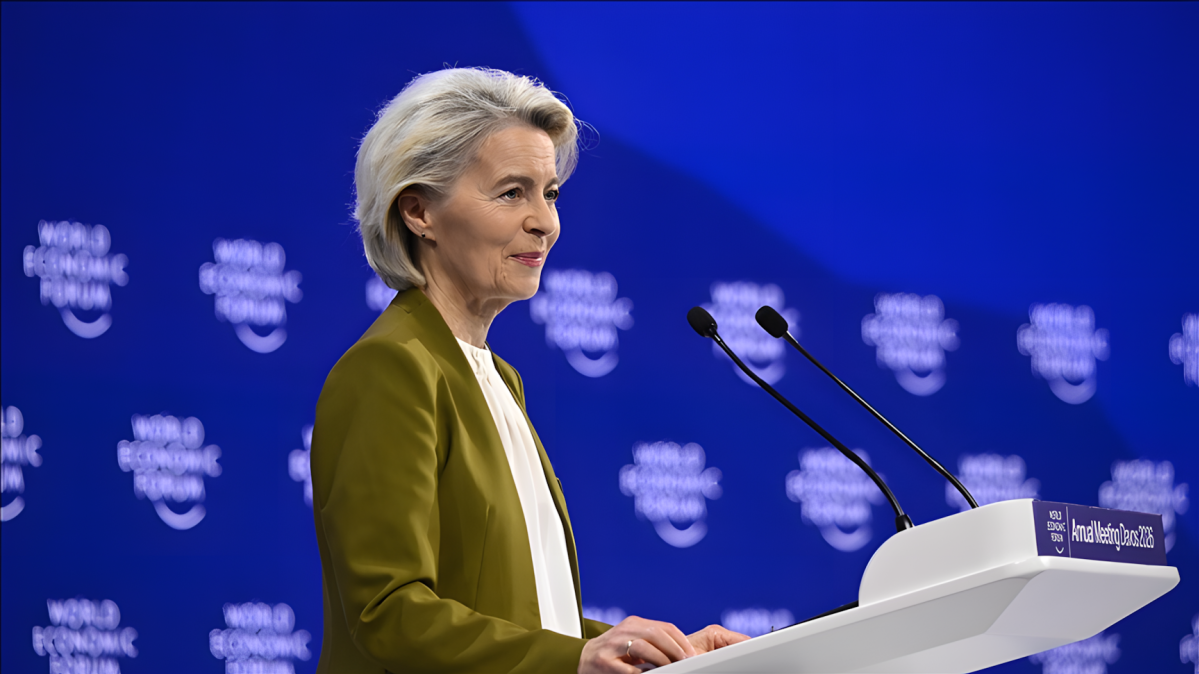
Commission President Ursula von der Leyen confirmed this harder line on Friday, indicating that the era of flexible price caps is giving way to sector-wide restrictions aimed at crippling Russia’s ability to export crude.
Kulevi is located on the Black Sea coast of Georgia and serves as a vital geographic outlet for regional energy exports. Its inclusion is likely to strain diplomatic relations with Tbilisi, which has walked a tightrope between seeking EU candidacy and maintaining economic ties with its northern neighbour.
Meanwhile, Karimun in Indonesia is situated near the Strait of Malacca, one of the world’s busiest shipping lanes. It has long been identified by maritime analysts as a hotspot for ship-to-ship (STS) transfers, a method frequently employed by Russia’s so-called "shadow fleet", a flotilla of aging, uninsured tankers used to obscure the origin of oil and bypass Western restrictions.
By barring EU companies and individuals from conducting transactions with these ports, Brussels is effectively extending its jurisdiction extraterritorially.
This poses a severe risk to global shipping firms and insurers, who must now navigate a minefield of compliance issues or face being cut off from the European market.
The proposal requires unanimity among all 27 member states to pass, a process that has historically faced delays due to internal political bargaining.
The plan also identifies Kyrgyzstan as a primary conduit for prohibited goods entering Russia. Since 2022, trade data has shown inexplicable spikes in European exports of dual-use technology to Central Asian republics, which are then re-exported to Russia.
By targeting specific metals, the EU is attempting to degrade Russia’s mining and metallurgy revenue streams, which have remained relatively resilient despite prior sanctions.
If approved, these measures would represent the most comprehensive attempt yet to isolate the Russian economy from the global south and Central Asia.












What is your opinion on this topic?
Leave the first comment