The AnewZ Opinion section provides a platform for independent voices to share expert perspectives on global and regional issues. The views expressed are solely those of the authors and do not represent the official position of AnewZ
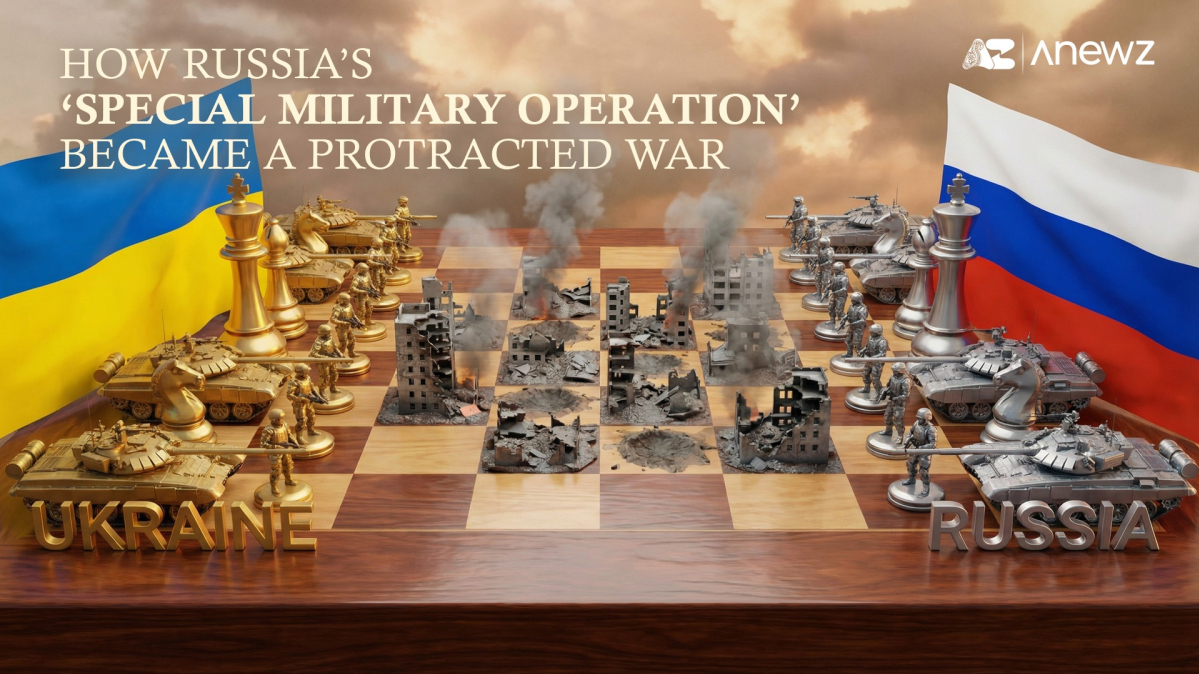
On 11 January, Russia’s war in Ukraine crossed a symbolic threshold. It entered its 1,418th day, matching exactly the duration of the Great Patriotic War of 1941–1945. Despite promises of “taking Kyiv in three days” the number has now exposed the limits of Russian power and strategy.
As war fatigue spread through Russian society and the economy in 2025 began to show signs of strain under prolonged sanctions, “1,418” turned into a euphemism among critics of the Kremlin’s so-called “special military operation”. Against this backdrop, it is worth reviewing the current context of the war and its implications for Russia and the wider world.
First, the conflict has revealed uncomfortable truths about the Russian army and its claim to superpower status. The Kremlin was not preparing for a long, large-scale war. That such a war emerged was the result of profound miscalculations rooted in intelligence and planning failures, which dramatically underestimated Ukraine’s capacity and willingness to resist. Russian elites, including President Putin himself, appeared to believe that most Ukrainians would welcome Russian troops and support the installation of a pro-Russian government.
At the same time, Russia’s intelligence services failed to anticipate the scale of Western support, which has played a crucial role in Kyiv’s resilience. The performance of the Russian armed forces has also exposed structural weaknesses. They were clearly unprepared for drone warfare, despite its prior use in several conflicts before 2022, most notably the 44-day war between Azerbaijan and Armenia.
Western sanctions
Moscow eventually turned to Iran to close the gap in drone capabilities with Ukraine. This reliance created an unwanted dependency that damaged the reputation of the Russian arms industry. Another structural weakness lay in poor coordination between different branches and divisions of the armed forces, an issue that has significantly hindered the military effort.
Geopolitically, the failure of Russia’s attempted blitzkrieg triggered a wave of unprecedented Western sanctions and produced effects opposite to those Moscow intended. Most post-Soviet states, rather than acquiescing to Russian dominance in its so-called “near abroad”, pursued more proactive and assertive foreign policies. Central Asian countries intensified their integration efforts, forging stronger partnerships with a range of external actors, from China and India to the United States and European states.
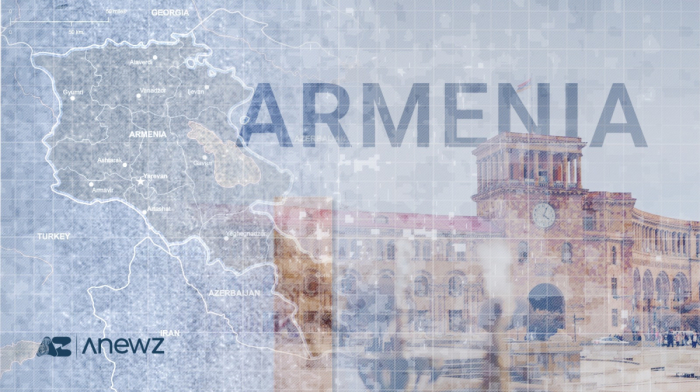
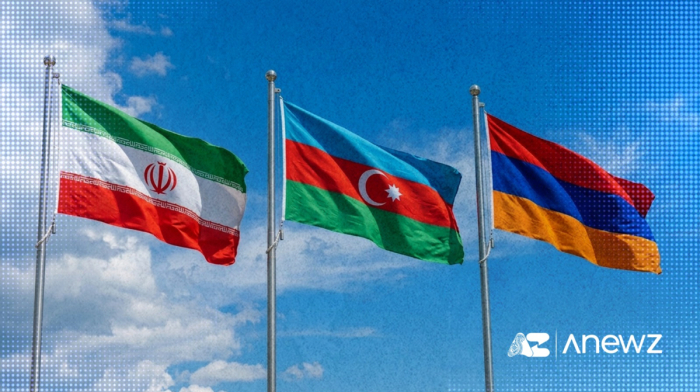
In the South Caucasus, Armenia and Azerbaijan moved towards direct negotiations without third-party mediation, even meeting to initial a prospective peace treaty in Washington rather than Moscow, despite Russia’s efforts to retain influence. As Baku has increasingly turned towards Central Asia while also developing economic ties with its long-standing rival Armenia, the very notion of a coherent “post-Soviet space”, once central to Russian influence, has been rendered obsolete.
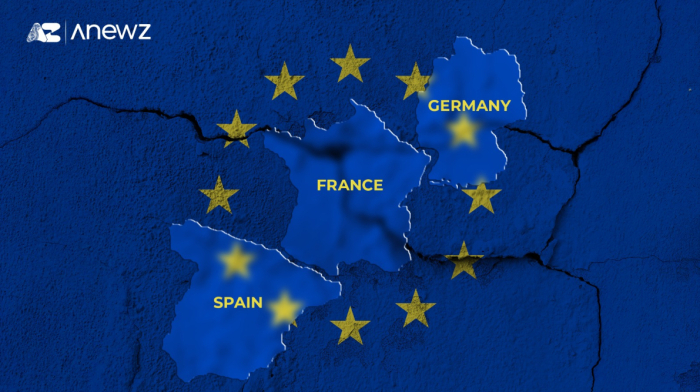
Russia’s confrontation with Europe offers little cause for celebration either. Europe’s slow and initially lacklustre response to the invasion revealed a crucial point: it would likely never have severed deep economic ties with Moscow had Russia not launched a direct, large-scale invasion of Ukraine, prompted by Kyiv’s ambition to join the EU and NATO.
At the same time, the war cannot be interpreted solely as a Russian failure. After early setbacks, Moscow implemented several substantial changes to its political and military approach. This new strategy embraced more limited and realistic goals.
Rather than seeking to conquer Ukraine outright, the Kremlin chose to instrumentalise the conflict. The strategy pursued four main objectives: weakening Ukraine, exhausting Europe militarily and economically, generating war fatigue in the West and ultimately undermining the legitimacy of the global order and international norms.
War of attrition
Kyiv and its allies were slow to recognise this shift. This delay allowed Moscow valuable time to refine its battlefield tactics, expand arms production and reduce technological gaps in certain critical areas, including UAV warfare.
These adaptations have transformed the conflict into a prolonged war of attrition. Russia hopes to exploit time to its advantage, relying on its strategic depth as well as its superiority in manpower and resources.
Meanwhile, the Russian economy has defied the bleak forecasts of many Western policymakers and experts. Sanctions were expected to rapidly cripple economic output, disrupt supplies of critical industrial components and eventually prevent Moscow from sustaining a large-scale war.
Instead, a combination of disciplined monetary and fiscal policy, deeper economic ties with non-Western partners and firm state control over military and dual-use production has kept output relatively stable. These conditions have even led some commentators to describe the situation as a “war boom”. The experience has undermined the long-held assumption that a major country can be economically crushed by sanctions imposed by a single bloc, however comprehensive.
The collapse of this assumption, once a key intellectual pillar of the post-1991 liberal world order, has accelerated that order’s decline. By 2026, the erosion had reached the point of near collapse. The international system has failed to respond effectively to Russia’s challenge to established norms. Cracks are visible across the global landscape: the United States questions traditional security alliances with Europe and Canada, while major international institutions, including the UN, exhibit signs of systemic instability.
Confronted with a militarised and revisionist Russia, European states have begun to rearm. Military spending is rising sharply, alongside growing doubts about the sustainability of the socially oriented, liberal post-war state model that once delivered decades of unparalleled prosperity.
'Spirit of Anchorage'
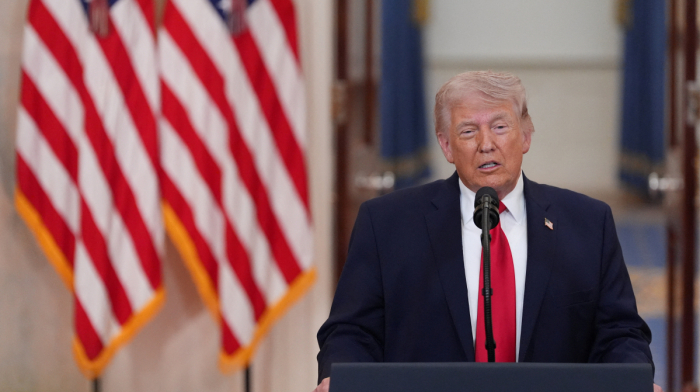
The widely publicised August 2025 meeting between Presidents Trump and Putin in Alaska reflects Washington’s willingness to broker a major new agreement with Moscow, dubbed “the spirit of Anchorage” on both sides of the Atlantic. This occurred despite the United States simultaneously tightening sanctions on Russian oil exports, including the seizure of several “shadow tankers” operating under false flags.
The erosion of international conventions fuels hope in Moscow that Western governments will eventually abandon a normative commitment to Ukraine’s territorial integrity and instead pursue a settlement based on narrow pragmatism, or “peace through strength”, as President Trump has framed it. However, several factors weigh against a swift agreement.
The first is the negative equilibrium on the battlefield. Russia has failed to achieve a decisive victory and has not fully annexed Donbas, widely viewed as its minimum acceptable objective. At the same time, Ukraine, given the disparity in resources, cannot realistically expect to significantly improve its position.
Another obstacle lies in the domestic political importance of the war for Moscow. Its continuation provides the Kremlin with a justification to tighten control over politics, media and business, while generating a limited rally-around-the-flag effect. Peace with Ukraine would almost certainly revive demands for liberalisation, with unpredictable consequences for the Russian leadership.
Nevertheless, President Trump’s unconventional approach and the possibility, however uncertain, of building on “the spirit of Anchorage” are placing increasing pressure on Moscow to engage seriously in negotiations.
Kyiv, meanwhile, faces its own dilemma. Since the war began, Ukraine’s exit strategy has rested on joining NATO and, at minimum, the EU to secure long-term security and economic guarantees. With multilateral institutions in crisis, such guarantees now appear increasingly elusive, while interest-based bilateral “deals” are gaining prominence.
Russian leaders are likewise trapped between the recognition that even modest territorial advances come at an increasingly prohibitive cost and the need to accept relatively limited concessions from Ukraine, which could provoke backlash among nationalist and conservative constituencies at home.
Current negotiations revolve around two particularly contentious issues. The first concerns formal recognition of territories already occupied by Russian forces as part of Russia, something Kyiv rejects outright. The second is the status of the remaining Ukrainian-controlled part of Donbas. Moscow demands full incorporation, while Kyiv has so far proposed troop withdrawals and the establishment of a neutral zone. Personal hostility between Presidents Putin and Zelensky, who have avoided meeting face to face, further complicates matters.
Yet despite these obstacles, the convergence of battlefield realities and international pressures means the parties are arguably closer to an agreement than at any point since March 2022. The future of Ukraine, and of Eastern Europe more broadly, will depend on the evolving relationship between Russia and the West, a trajectory that remains deeply uncertain.












What is your opinion on this topic?
Leave the first comment