U.S. and Ukrainian negotiators have discussed an ambitious goal of reaching a peace agreement between Russia and Ukraine by March, though the timeline is widely viewed as unrealistic due to deep disagreements over territory, according to multiple sources familiar with the talks.
Under a framework being discussed, any potential peace deal would be submitted to a nationwide referendum in Ukraine, to be held alongside national elections, five sources said. The sources requested anonymity to discuss private deliberations.
The U.S. negotiating team, led by special envoy Steve Witkoff and President Donald Trump’s son-in-law Jared Kushner, has told Ukrainian counterparts in recent meetings in Abu Dhabi and Miami that it would be preferable for such a vote to take place soon, three of the sources said.
According to two sources, U.S. negotiators have argued that President Trump is likely to shift his focus toward domestic issues as the November congressional midterm elections approach, leaving less time and political capital to finalize a peace accord.
A second round of U.S.-brokered talks concluded on Thursday in Abu Dhabi, resulting in the release of 314 prisoners of war and an agreement to resume negotiations. Ukrainian President Volodymyr Zelenskyy said the next trilateral meeting could take place soon in the United States.
Voting timeline questioned
Two sources said U.S. and Ukrainian officials discussed the possibility of holding both the referendum and national elections in May. However, several sources with insight into the negotiations described the proposed timeline as unrealistic.
Ukraine’s election authorities estimate it would take around six months to organize a national vote under current conditions.
“The Americans are in a hurry,” one source said, adding that while an election could potentially be organized in less than six months, it would still require significant time, legal changes and funding.
Elections and referendums are currently prohibited under Ukraine’s martial law, meaning legislative amendments would be required. Kyiv also insists on a full ceasefire during any voting campaign to safeguard the process, citing concerns over Russia’s history of violating ceasefire agreements.
“Kyiv’s position is that nothing can be agreed until the security guarantees for Ukraine from the United States and partners are in place,” one source said.
The White House declined to comment. The Ukrainian president’s office and the Russian embassy in Washington did not immediately respond to requests for comment.
Territorial disputes remain core obstacle
Despite Ukraine sending high-level political representatives to the talks, including Zelenskiy’s chief of staff and the head of his parliamentary faction, Russia’s delegation has been led by military officials, headed by GRU chief Admiral Igor Kostyukov.
Kostyukov’s deputy, Lieutenant General Vladimir Alexeyev, was shot in Moscow on Friday by an unidentified assailant. Russian Foreign Minister Sergei Lavrov accused Ukraine of carrying out the attack to derail peace talks, an allegation Kyiv rejected. Ukrainian Foreign Minister Andrii Sybiha told Reuters that Ukraine had no involvement.
One Ukrainian official said Zelenskyy is open to holding elections in the near future, a demand that has surfaced repeatedly since Trump returned to office in January 2025. While Zelenskyy’s approval ratings have declined since Russia’s full-scale invasion in 2022, they remain above 50%, the official said.
Several sources said the biggest obstacle to a near-term peace remains the status of Ukraine’s eastern Donbas region. Russia is demanding control over the entire area, including territories still held by Kyiv, a condition Ukraine has described as unacceptable.
Ukrainian officials have, however, expressed openness to exploring alternative arrangements, such as a demilitarized zone or a free-trade area.
“There’s still no progress on the territorial question,” one source said.
Another major sticking point is the Zaporizhzhia nuclear power plant, Europe’s largest, located in Russian-occupied territory. One source said Moscow rejected a U.S. proposal for Washington to temporarily control the facility and distribute electricity to both countries. Russia insists on retaining control while offering Ukraine discounted power, an option Kyiv has rejected.
Even if those disputes are resolved, sources cautioned that Ukrainian voters could still reject any territorial concessions in a referendum.
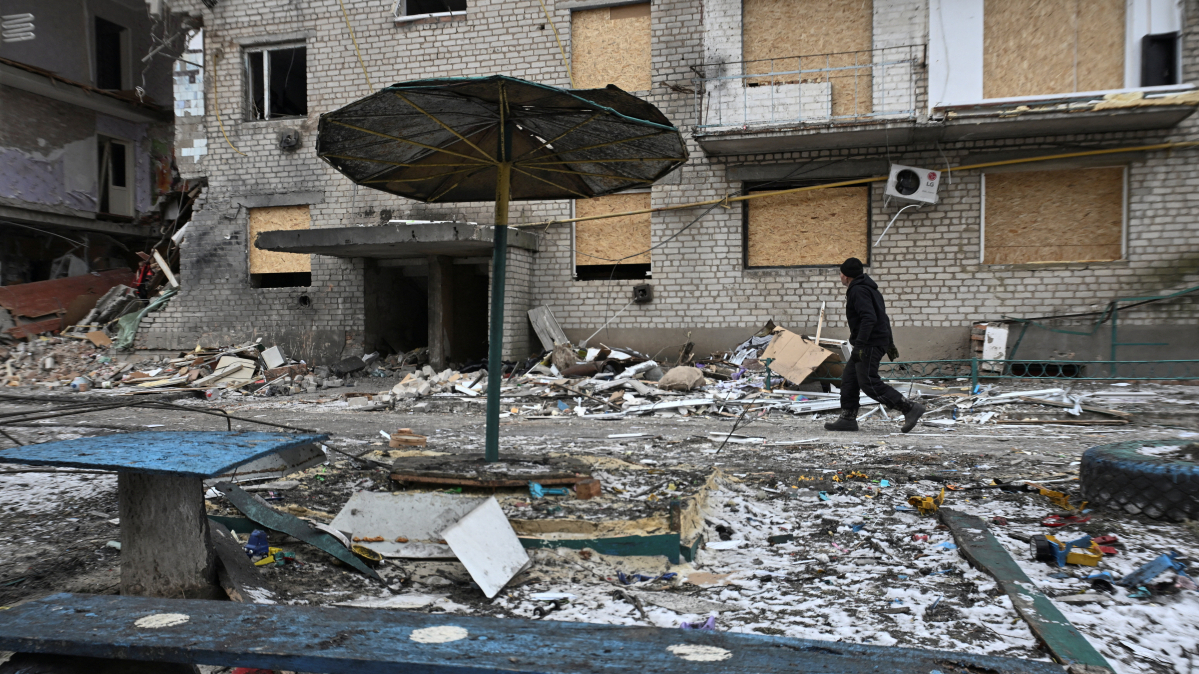
Russia currently occupies around 20% of Ukraine’s territory, including Crimea and parts of the Donbas seized before the 2022 invasion. Analysts estimate Moscow has gained about 1.3% more territory since early 2023.
Polls indicate that most Ukrainians oppose territorial concessions in exchange for Western security guarantees, though that opposition has narrowed slightly over the past year.










What is your opinion on this topic?
Leave the first comment