Ukrainian and Russian negotiators began the second round of U.S.-brokered talks in Abu Dhabi on Wednesday (4 February).
The timing of the talks has been overshadowed by a wave of drone and missile strikes that hit power and heating facilities across Ukraine, leaving large parts of the country struggling to cope in sub-zero temperatures.
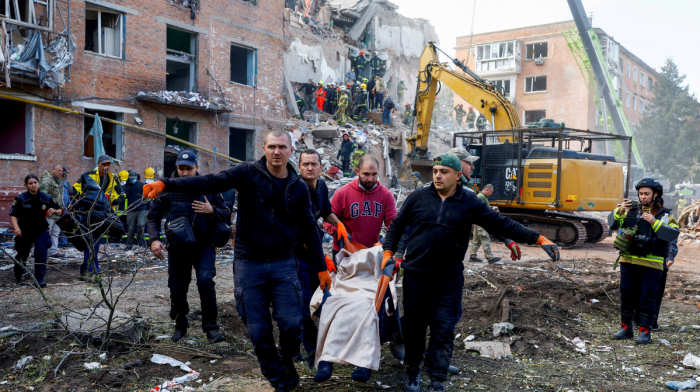
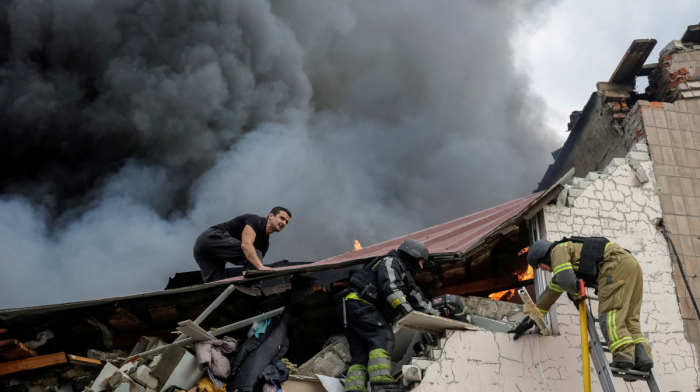
Ukrainian officials said Russia launched hundreds of drones and more than 70 missiles in overnight attacks that damaged energy facilities, struck residential buildings and wounded at least 12 people. The barrage hit multiple regions, including Kyiv, Kharkiv and Zaporizhzhia, knocking out heating and electricity in thousands of apartment blocks.
Deputy Prime Minister Oleksiy Kuleba said over 1,000 residential buildings in the capital were left without heating, while officials in Kharkiv said around 270,000 residents were in unheated homes after a thermal power plant was badly damaged. Temperatures in parts of the country dropped to around minus 20 degrees Celsius, deepening concerns about humanitarian conditions.
The renewed strikes come despite a U.S.-backed pause aimed at halting attacks on energy infrastructure during winter, and ongoing diplomatic efforts. Ukrainian officials say the scale and timing of the attacks raise serious questions about Moscow’s commitment to diplomacy, even as delegations prepare for talks in the United Arab Emirates.
Zelenskyy accuses Russia of exploiting energy pause
Ukrainian President Volodymyr Zelenskyy said Russia used the U.S.-backed pause on energy strikes to stockpile weapons and prepare large-scale attacks instead of easing pressure on civilians.
“It was a deliberate attack against energy infrastructure, involving a record number of ballistic missiles,” Zelenskyy wrote on X, adding that Ukraine is waiting for a response from Washington.
He said Moscow’s actions show Russia continues to “bet on war and the destruction of Ukraine” and does not take diplomacy seriously, warning that Ukraine’s negotiating approach would be adjusted accordingly.
Zelenskyy said the proposal to halt strikes on energy facilities came from the United States during diplomatic efforts and the winter period and that Russia’s actions undermine the credibility of any temporary understandings.
He also highlighted the impact on civilians, describing families enduring long power cuts and freezing conditions. Ukrainian officials have repeatedly warned that Russia’s winter campaign against energy infrastructure is aimed at breaking morale and placing pressure on Kyiv ahead of negotiations.
Kyiv has said it remains ready for substantive talks but insists diplomacy cannot succeed if attacks on civilian infrastructure continue. Ukrainian officials argue that any ceasefire or pause must be credible, verifiable and reciprocal.
Zelenskyy has also urged Ukraine’s Western partners to increase pressure on Moscow, including through sanctions and military assistance, saying only sustained international backing can force Russia to take negotiations seriously.
What happened in the first round of talks
The first round of trilateral talks, held in Abu Dhabi in January, brought together U.S., Ukrainian and Russian delegations for the first direct public negotiations under the Trump administration’s peace framework.
Both Kyiv and Moscow described those talks as constructive, but acknowledged that no agreement was reached on the most sensitive issues, including territory and long-term security guarantees.
Ukrainian officials said the January meetings focused on establishing channels for dialogue, outlining red lines and discussing potential confidence-building measures, rather than negotiating a final settlement. U.S. officials have said the January meetings were intended to test whether diplomacy could gain traction and to establish channels for dialogue, rather than to negotiate a final settlement.
The second round of trilateral talks comes with core disagreements still firmly in place, particularly over territory and security guarantees.
Another sensitive issue in the talks is the fate of the Russian-occupied Zaporizhzhia nuclear power plant, Europe’s largest, which Kyiv says must return to Ukrainian control under any settlement. Polls cited by Ukrainian officials show the majority of Ukrainians oppose any deal that hands Moscow land in exchange for peace, reflecting strong domestic resistance to territorial concessions.
Moscow continues to demand that Ukraine cede the remaining parts of the eastern Donetsk region under Kyiv’s control, as well as international recognition of other territories Russia claims to have annexed. Ukraine has rejected these demands and says it will not withdraw its forces unilaterally.
Kyiv says any peace deal must include credible U.S. and Western security guarantees to prevent future Russian aggression, while Russia has ruled out the deployment of NATO forces in Ukraine after the war and has sought limits on the size of Ukraine’s military.
Russia currently occupies about 20 percent of Ukrainian territory and has warned it could attempt to seize the rest of Donetsk if diplomacy fails. Military analysts say Russian forces have made incremental gains since the start of 2024, while Kyiv residents have voiced scepticism that the latest talks will produce a breakthrough.
With battlefield lines largely static, winter conditions worsening and both sides continuing long-range attacks, the Abu Dhabi talks are seen as an important test of whether diplomacy can gain traction after nearly four years of war.
Expert view
Speaking to AnewZ from Lisbon, Lieutenant General Marco Serronha said the continuation of talks itself carries significance, even if tangible progress remains elusive.
“I suppose that it will be a good step because the first round was not easy to come to something substantial. But nevertheless, it's always good, at least in diplomatic terms, that the negotiation didn't stop.”
Serronha said the agenda of the second round largely mirrors that of the first. Territorial issues remain central, with Russia continuing to press for Ukrainian withdrawal from parts of Donbas, a position Kyiv has repeatedly rejected. Discussions around nuclear facilities, including the Zaporizhzhia plant, remain unresolved, while proposals linked to security guarantees are still far apart.
He said some understanding appears to exist between Ukraine, the United States and European partners on security guarantees, but Russia has yet to accept the substance of those arrangements. As a result, the most politically sensitive issues remain open as delegations return to the table.
Territorial questions and the search for workable compromises
Serronha said territory remains the most difficult obstacle in the talks, with neither side prepared to make major concessions at this stage.
Russia’s demand that Ukraine withdraw from western Donbas is unacceptable to Kyiv, while Ukraine’s refusal to surrender territory continues to be a red line for Moscow. This deadlock has left negotiators searching for interim solutions that could freeze fighting without forcing either side to formally concede sovereignty.
One possible concept under discussion is the establishment of a demilitarised zone along the front line. Such an arrangement could involve reciprocal withdrawals by both sides, allowing for a ceasefire while postponing final decisions on territorial status.
Serronha said this type of framework could provide an initial stabilising mechanism, reducing violence and creating space for further political negotiations. Over time, limited economic arrangements or special administrative zones could be explored, though he stressed that any such steps would require sustained political will and external guarantees.
He cautioned that even interim arrangements would be difficult to implement, given deep mistrust between the parties and ongoing military operations.
War pressure and the limits of diplomacy
The second round of talks is taking place against the backdrop of renewed Russian missile and drone strikes on Ukrainian energy infrastructure, which have caused widespread power and heating disruptions during winter.
Serronha said such attacks are not separate from diplomacy but are part of Russia’s effort to apply pressure at the negotiating table. By targeting energy systems, Moscow aims to weaken Ukrainian morale and reduce Kyiv’s leverage during talks.
He said the United States has attempted to broker pauses in strikes on energy facilities, but differing interpretations of timelines and commitments have undermined those efforts. The result is a diplomatic environment in which negotiations continue alongside escalating military pressure.
Despite the resumption of talks, Serronha said the conditions for a comprehensive ceasefire are not yet in place. He warned that the probability of the war continuing remains high, even as negotiations move forward in parallel.
At the same time, he said sustained diplomacy still matters. The war of attrition is steadily eroding both sides, and continued rounds of talks may gradually shift positions over time.
Serronha said the most likely scenario in the near term is a continuation of both fighting and negotiations, with neither side achieving a decisive breakthrough in the coming months.















What is your opinion on this topic?
Leave the first comment