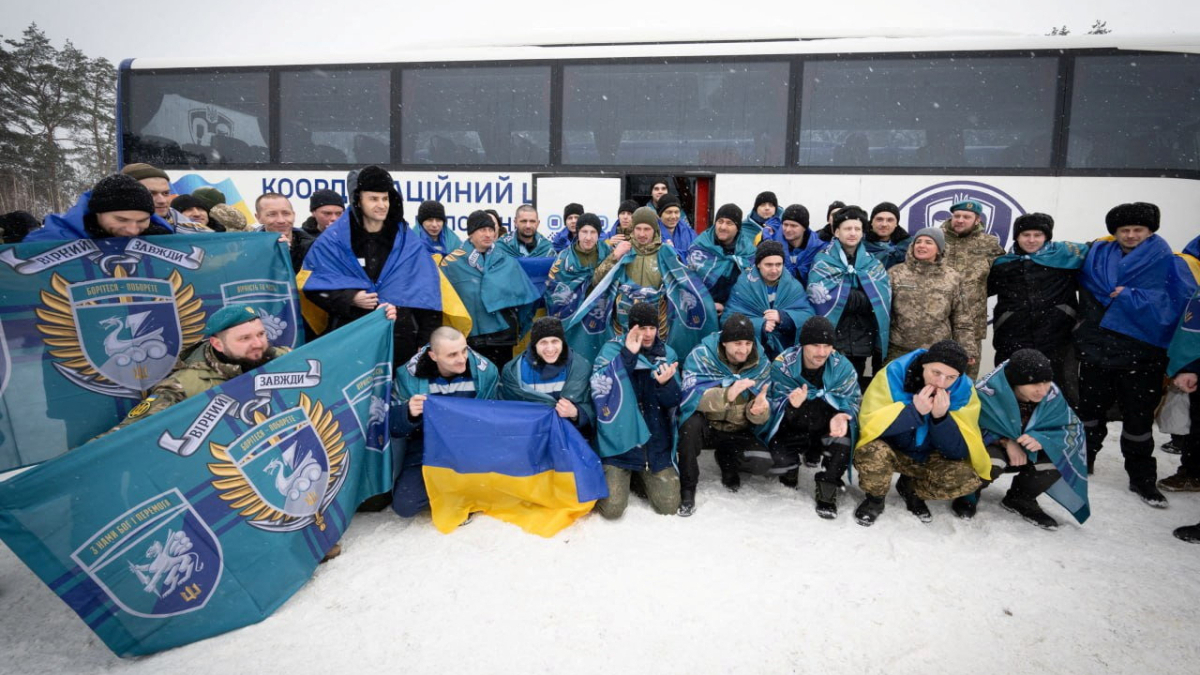
Ukraine and Russia carried out a rare exchange of 314 prisoners on Thursday as U.S.-brokered talks in Abu Dhabi closed with a pledge to resume negotiations soon, offering one of the clearest signs of diplomatic movement in months.
U.S. special envoy Steve Witkoff said the delegations had agreed to release 314 prisoners, calling the negotiations “detailed and productive”.
“While significant work remains, steps like this demonstrate that sustained diplomatic engagement is delivering tangible results,” he wrote on X.
Ukrainian President Volodymyr Zelenskyy said the sides had agreed another meeting in the near future.
“The conversation is ongoing. It’s certainly not easy, but Ukraine has been and will be as constructive as possible,” he said at a news conference with Polish Prime Minister Donald Tusk.
He said his team would brief him in person because of the sensitivity of the issues.
Russia’s envoy Kirill Dmitriev said there was “progress and a positive movement”, adding that work was underway to restore relations with the United States, including through a joint economic working group.
Russia’s Defence Ministry said each side returned 157 prisoners and that three civilians from the Kursk region were also brought back.
A video released by Ukraine’s presidency showed captured soldiers stepping off buses in the snow, wrapped in Ukraine’s flag, hugging one another and calling relatives.
This was the first prisoner exchange since October 2025. Zelenskyy said he had instructed his team to discuss further swaps.
He said this week that about 55,000 Ukrainian soldiers had been killed. The Center for Strategic and International Studies estimated Russian casualties at nearly 1.2 million, a figure dismissed by Moscow as unreliable.
Strikes continue despite diplomatic pressure
Pressure from the Trump administration has yet to produce a ceasefire.
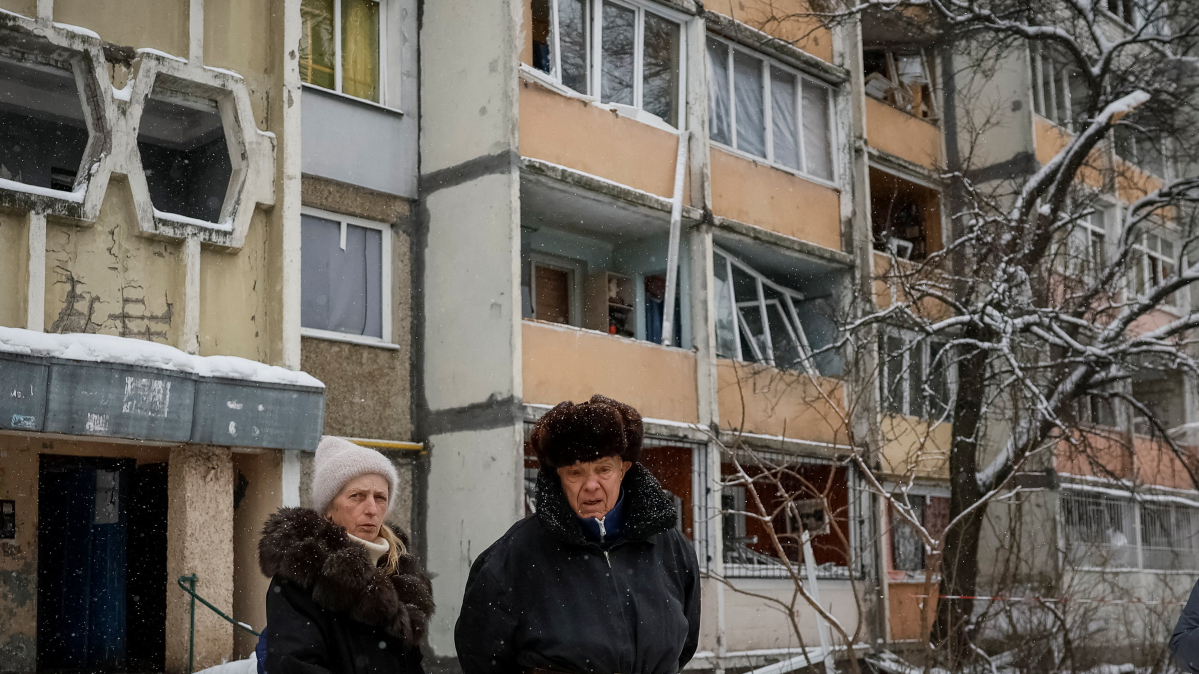
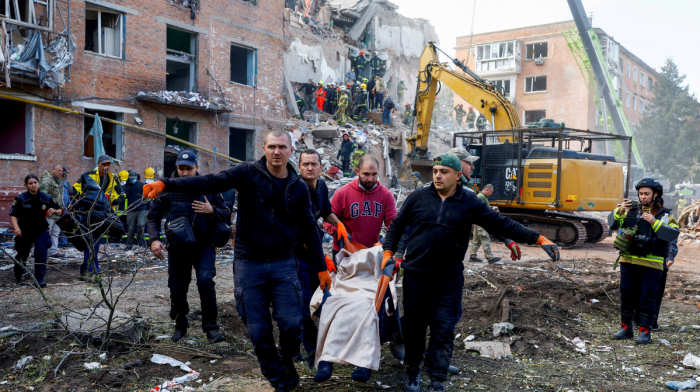
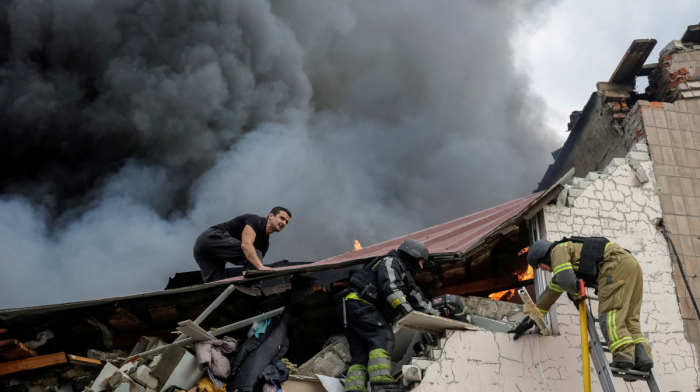
Russia launched major air strikes overnight on Tuesday, followed by smaller drone attacks on Wednesday and Thursday.
Ukraine’s General Staff said its forces had carried out “successful” strikes on a Russian intermediate-range ballistic missile launch site last month.
Zelenskyy repeated Kyiv’s need for air defences and said Ukraine was ready to “swap its drones” for air-defence missiles or for Poland’s MiG-29 jets.
The fate of Donetsk remains central. Russia wants Ukraine to pull troops from the entire region, including fortified cities considered among Kyiv’s strongest defences.
Ukraine says the conflict should be frozen along current lines and rejects unilateral withdrawal. Kyiv also demands control of the Zaporizhzhia nuclear plant.
Rosatom’s head said Moscow was open to international cooperation, “including with the United States”, but insisted the facility “must be Russian”.
Russia controls about 20% of Ukraine’s national territory, including Crimea and parts of the Donbas held before 2022. Analysts say Russia has gained about 1.5% more territory since early 2024, shaping expectations and narrowing the space for compromise in the talks.
Groundhog Day
Political analyst Diogo Castro Silva told AnewZ that Kyiv’s description of the first day as productive should be read cautiously, saying “not that much, I would say.”
He said both sides are “performing for Donald Trump” and want to avoid appearing as “a spoiler of the talks.”
Castro Silva sees no realistic territorial compromise away from the battlefield.
Political analyst said forcing Kyiv to surrender areas not taken by force would be “a poison pill inside Ukrainian politics” and damage ties with the West.
He added the contested zones form “a fortified line” that would ease any future Russian advance, and described Putin’s desire for a symbolic win as a lesser factor.
Castro Silva was critical of Washington’s approach, saying “a bad deal is better than no deal” continues to shape U.S. thinking.
He said the process “is always trying to pressure Ukraine to surrender the territories,” while “there is very little pressure on Russia.”
He described the talks as resembling “Groundhog Day,” adding that the same dynamic repeats because “Ukraine will [not] surrender these territories just like that.”
On continued strikes, he said winter attacks on energy systems impose “a heavy toll” but do not alter political outcomes, noting that bombing civilians “does not bear success in any way” and that populations “grit it out.”
Castro Silva said Europe’s exclusion further limits the talks, arguing that the EU “has several of the keys to end this conflict,” including financial support and frozen Russian assets.
He added that security concerns of countries “that feel very acutely Russia,” such as the Baltics and Poland, must be part of any lasting settlement.













What is your opinion on this topic?
Leave the first comment